Categories
Anatomy

Elephant Teeth: How Many Sets Do They Get — and What Happens When the Last One Wears Out?

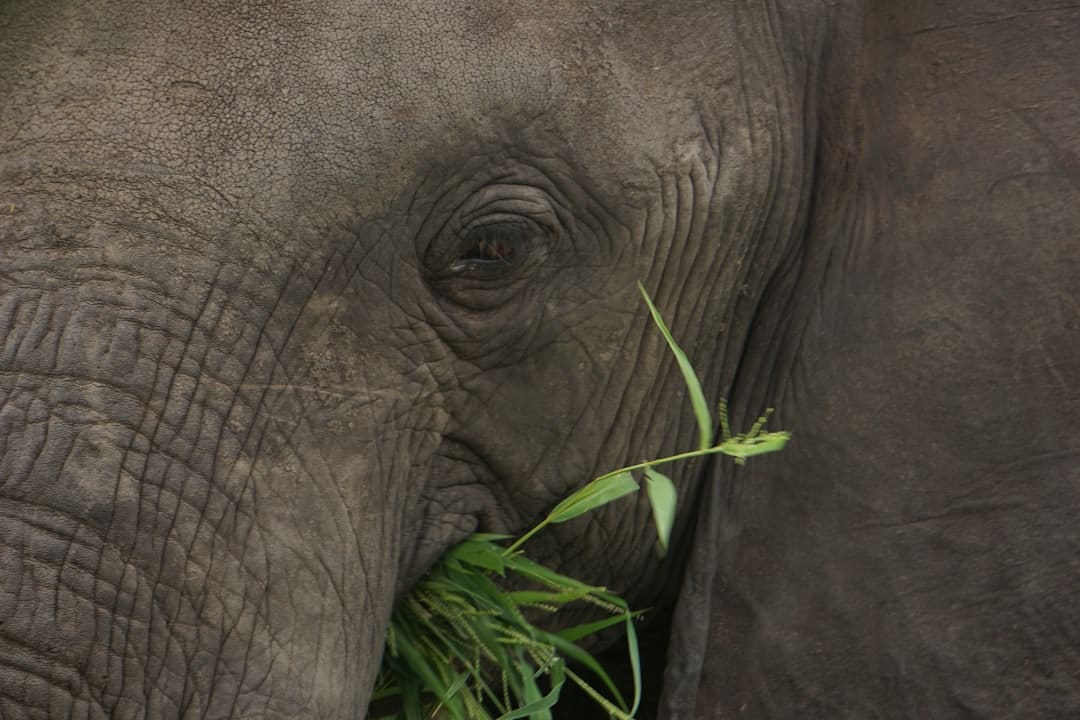
Most animals die from disease, predation, or injury. Elephants are different. The leading cause of death for old elephants in the wild is something far quieter and more inevitable: their teeth wear out. When the last of their six sets of molars finally grinds down to nothing, elephants can no longer chew the tough grasses and bark that sustain them. They drift toward swamps and rivers in search of softer food, growing steadily weaker, until they die. Understanding elephant teeth means understanding elephant life — and elephant death. Explore elephant anatomy and you quickly find that no single biological system shapes an elephant’s fate more completely than its dental architecture.

The short answer: Elephants have six sets of cheek teeth (molars) over a lifetime, replaced not vertically like human teeth but horizontally — each new molar pushes forward from the back of the jaw like a slow-moving conveyor belt. Tusks are separate: they are modified upper incisor teeth that grow continuously. When the sixth and final molar wears out, typically around age 60–70, the elephant can no longer sustain itself and dies. Elephant lifespan is, in the most literal sense, determined by dental wear.
Categories
Anatomy

Elephant Skin: How Thick Is It, Why Is It Wrinkled, and What Makes It Unique?

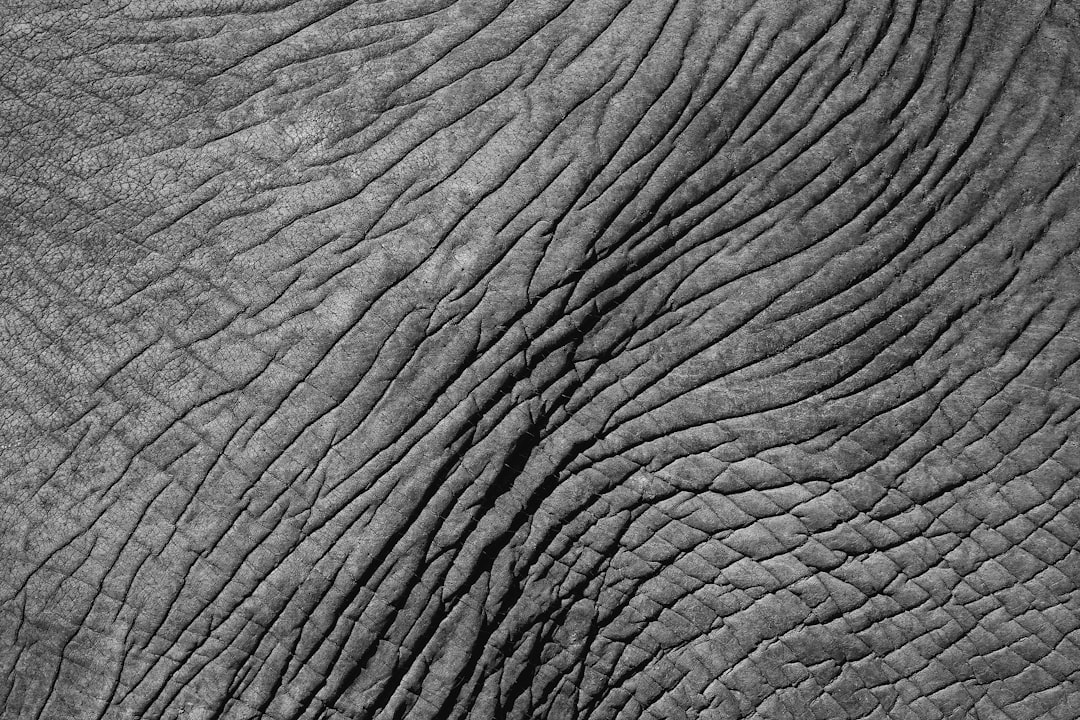
Touch an elephant and you’ll immediately sense the contradiction: skin tough enough to resist acacia thorns yet so sensitive it can feel a single fly land on its back. Elephant skin is one of the most remarkable biological structures in the animal kingdom — a multi-functional organ that simultaneously provides armour, thermoregulation, parasite defence, and sensory acuity. For an animal that can weigh up to seven tonnes and live in some of the harshest environments on Earth, that skin has to work extraordinarily hard. This guide explores everything science knows about elephant skin: how thick it is, why it is so deeply wrinkled, what colour it really is, how elephants protect it, and why — despite appearances — it may be the most sensitive skin of any land mammal. For a broader look at elephant biology, see our elephant anatomy guide.

The short answer: Elephant skin ranges from 0.75 to 1.5 inches (2–4 cm) thick on the back and neck, making it among the thickest skin of any land animal — yet it is extraordinarily sensitive, lacks functional sweat glands, contains no oil glands, and relies on deep wrinkles to trap moisture for cooling. Those wrinkles are present from birth and can increase effective surface area by up to ten times compared with smooth skin.

Categories
Anatomy

The Biggest Elephant in the World

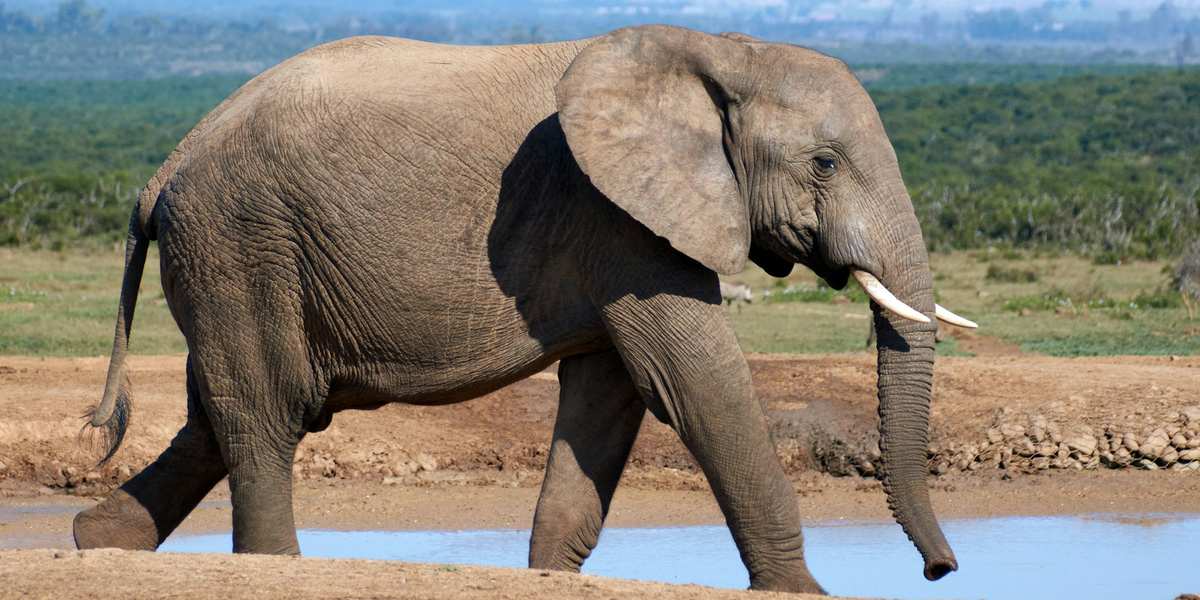
The biggest elephant in the world is the African bush elephant — the largest living land animal on Earth. But the single largest elephant ever recorded was a colossal bull shot in Angola in 1955, estimated at around 10,900 kg (24,000 lb) and standing four metres at the shoulder. It is so big it still greets visitors in the rotunda of the Smithsonian’s National Museum of Natural History.

Quick answer: the African bush elephant is the biggest elephant species alive today, with big bulls weighing around 6,000 kg. The biggest individual ever recorded weighed roughly 10,900 kg — nearly double a typical bull. And if you count extinct relatives, an ancient elephant called Palaeoloxodon may have been the largest land mammal that ever lived.

Categories
Elephant behaviors

Do Elephants Have Graveyards? The Myth of the Elephant Graveyard

It’s one of the most haunting legends in the animal world: somewhere out in the bush lies a secret elephant graveyard, a place ancient elephants travel to when they sense the end is near. It’s been retold in Tarzan stories and brought to life in Disney’s The Lion King. But is any of it true? The short answer is no — and the real story is even more interesting.

The short answer: no — elephant graveyards are a myth. There is no evidence elephants travel to a secret place to die. The legend grew from real clusters of elephant bones, which have a simpler explanation.

Categories
Questions & Answers (FAQs)

What Is a Group of Elephants Called? (Plus Baby, Male & Female Names)

Elephants have their own set of names — for the group, the babies and the sexes — and they’re some of the most-asked questions about the species. The quick version: a group of elephants is a herd, a baby is a calf, a female is a cow and a male is a bull. Here’s the full breakdown, including the origins of those collective nouns, how herd structure differs between species, and how elephant naming compares to other animals.

The short answer: a group of elephants is a herd; a baby is a calf; a female is a cow; a male is a bull.

Categories
Different species

Is an Elephant a Mammal? Classification Explained

It’s a question that comes up more than you’d think — maybe because of their tough, wrinkled, almost reptilian-looking skin. But yes: the elephant is very much a mammal. In fact it’s one of the most iconic mammals on Earth, and it ticks every box that defines the group. Here’s why, plus how elephants are classified.

The short answer: yes — elephants are mammals (class Mammalia, order Proboscidea). They’re warm-blooded, give birth to live young, nurse them with milk, and have hair.

Categories
Elephant behaviors

Do Elephants Really Never Forget? The Truth About Elephant Memory

“An elephant never forgets.” It’s one of the most famous sayings about any animal — and unlike the myth that elephants are afraid of mice, this one is largely true. Elephants have some of the best long-term memories in the animal kingdom, and that memory is no party trick: it can mean the difference between life and death for the whole herd.

The short answer: yes — elephants have exceptional long-term memory. Matriarchs remember water sources, migration routes and individual elephants for decades, and that recall has been shown to help herds survive droughts.

Categories
Elephant behaviors

How Long Are Elephants Pregnant? The Gestation Period Explained

Elephants don’t just have big babies — they have the longest pregnancy of any land animal on Earth. A mother elephant carries her calf for roughly 22 months, almost two full years, before giving birth to a 200-pound newborn that can stand and walk within an hour. Here is exactly how long elephants are pregnant, why the gestation period is so extraordinarily long, and what happens when the calf finally arrives.

The short answer: an elephant’s gestation period is about 22 months (640–660 days) — the longest of any mammal on land. African elephants average ~640–673 days; Asian elephants are similar, up to around 22 months.

Categories
Anatomy Elephants in the wild Questions & Answers (FAQs)

Top 10 Elephant Facts for Kids (for a kids school project)

Did you know that an elephant’s heart can weigh as much as a 10-year-old child? Or that a baby elephant is born weighing more than 200 pounds — and can walk within hours of birth? Elephants are some of the most extraordinary animals on our planet, and the more you learn about them, the more astonishing they become. Whether you are working on a school project, satisfying a burning curiosity, or just love animals, this guide covers the most amazing elephant facts for kids in one place.