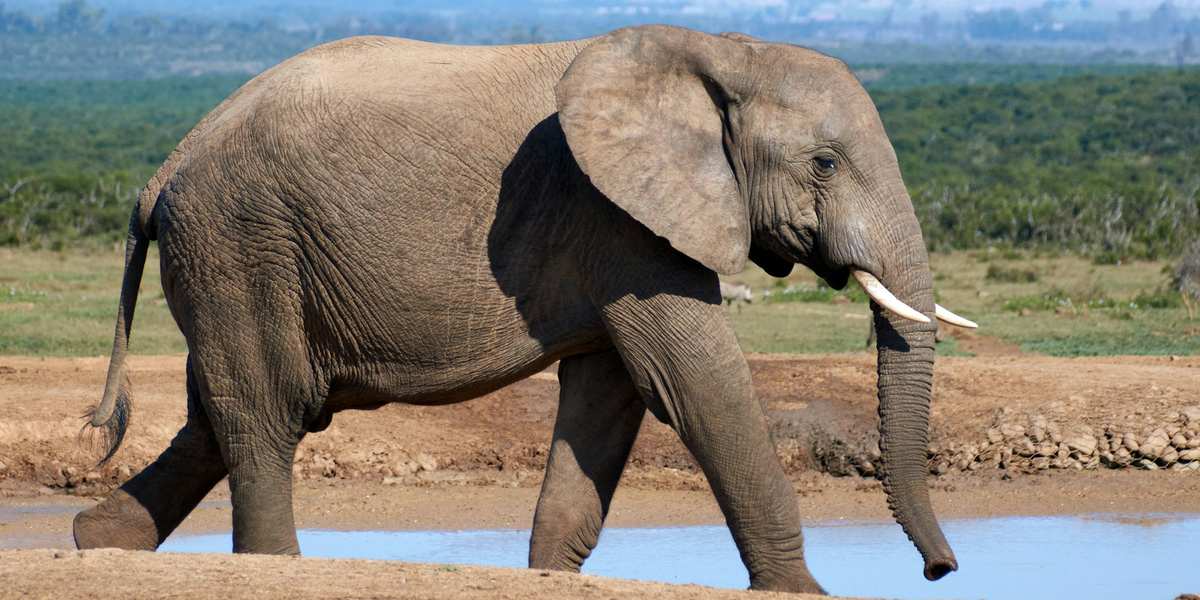
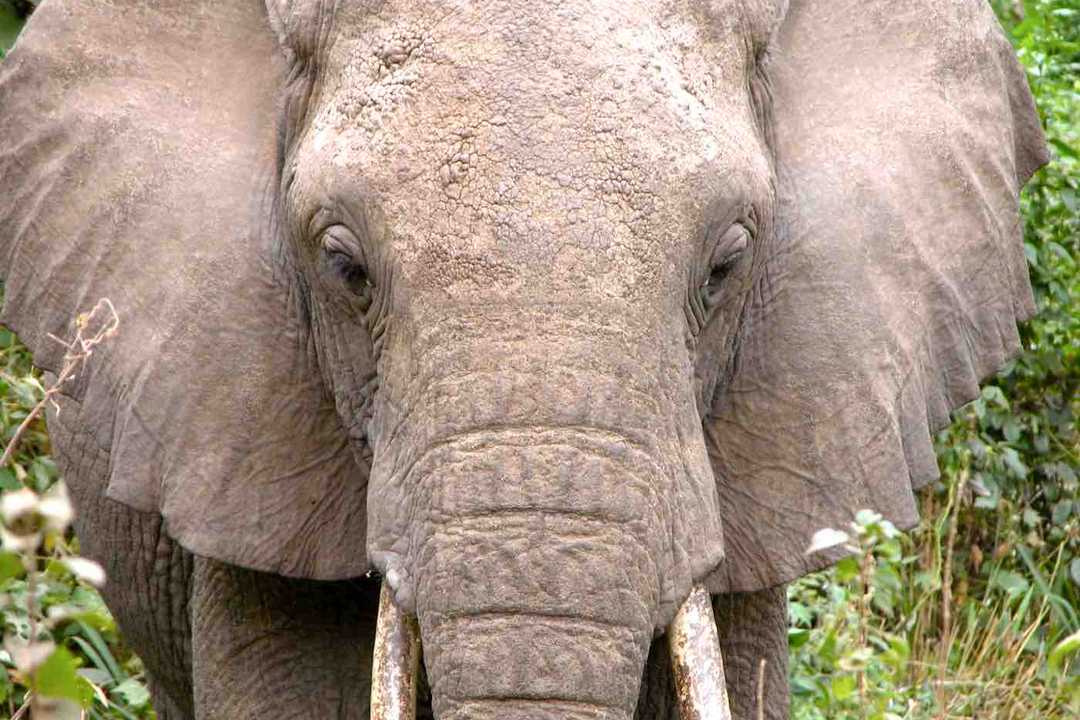
Elephants are one of the longest-lived land mammals on earth. They grow up slowly, breed slowly, and live long enough to develop the kind of memory, social structure, and cultural knowledge that only a few species ever do. But how long do elephants actually live – and why does captivity so often cut their lifespan short?
Wild elephants live around 60 to 70 years on average, with some individuals reaching their late 70s. African bush elephants and Asian elephants have broadly similar lifespans in the wild. Elephants in captivity typically live shorter lives – usually 15 to 40 years – though sanctuary conditions are significantly better than zoo or circus environments. The oldest documented elephant lived to around 86 years old.
This guide breaks down elephant lifespan by species, by environment (wild vs zoo vs sanctuary), by life stage, and by the threats and health issues that shorten their lives. It also covers how scientists actually measure an elephant’s age, the oldest elephants on record, and what elephant lifespan looks like compared to other animals.