Categories
Different species Visit elephants

Borneo Pygmy Elephants: Where to See Them

The Borneo pygmy elephant is the smallest – and most genetically distinct – subspecies of Asian elephant on earth. Found only on the island of Borneo, and almost entirely within the Malaysian state of Sabah, it’s one of the rarest elephants in the world. Roughly 1,000 to 1,500 of them are left in the wild.

Borneo pygmy elephants (Elephas maximus borneensis) are a subspecies of the Asian elephant found only on the island of Borneo, mostly in the Malaysian state of Sabah. They stand around 2.5 metres (8 feet) tall at the shoulder – roughly 30 to 60 cm shorter than mainland Asian elephants – with rounder faces, larger ears, longer tails, and straighter tusks. Only 1,000 to 1,500 remain in the wild, mostly along the Kinabatangan River and in Tabin, Deramakot, and Danum Valley forest reserves. They’re classified as Endangered by the IUCN and are threatened primarily by palm-oil-driven deforestation.

This guide covers what makes Borneo pygmy elephants a distinct subspecies, how big they actually are, where to see them in Borneo, the palm-oil conflict threatening their habitat, and what responsible tourism for this species looks like.

Categories
Different species Visit elephants

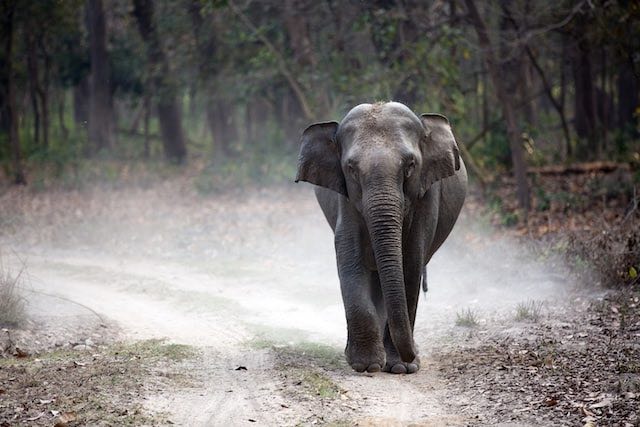
Best Places to See Elephants in India

India is home to more wild Asian elephants than any other country on earth. Roughly 60 percent of the world’s Asian elephant population walks its forests – from the grasslands of Kaziranga in the northeast to the tea country of Kerala in the south. For anyone who wants to see wild Asian elephants in their native range, India is the best country to do it.

There are around 27,000 wild elephants in India, spread across 32 designated Elephant Reserves. The best places to see them are Kaziranga National Park (Assam), Periyar (Kerala), Nagarhole and Bandipur (Karnataka), Mudumalai (Tamil Nadu), Jim Corbett (Uttarakhand), and Wayanad (Kerala). Sightings are most reliable between October and June, outside the monsoon, and elephants should always be observed on jeep or boat safaris – not at rides or temple performances.

This guide covers the best national parks and wildlife reserves for seeing elephants in India, when to visit each one, what to expect, and how to avoid the unethical tourist traps that still exist around elephant rides, temple elephants, and overcrowded camps.

Categories
Anatomy Elephants in the wild Questions & Answers (FAQs)

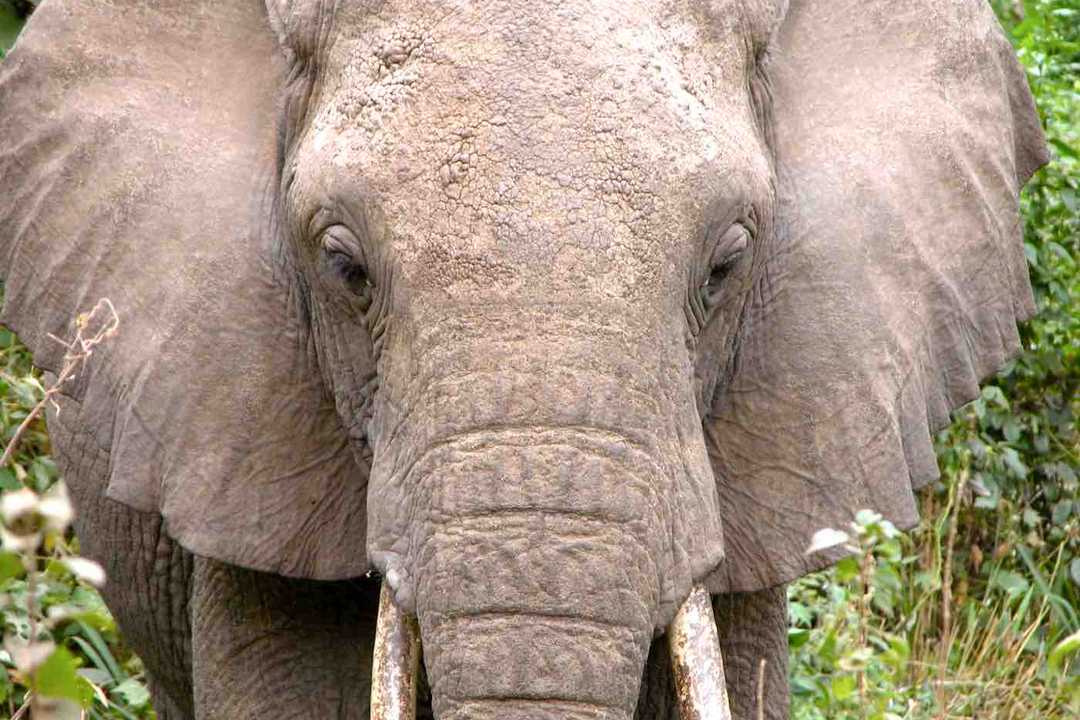
Elephant Lifespan: How Long Do Elephants Live?

Elephants are one of the longest-lived land mammals on earth. They grow up slowly, breed slowly, and live long enough to develop the kind of memory, social structure, and cultural knowledge that only a few species ever do. But how long do elephants actually live – and why does captivity so often cut their lifespan short?

Wild elephants live around 60 to 70 years on average, with some individuals reaching their late 70s. African bush elephants and Asian elephants have broadly similar lifespans in the wild. Elephants in captivity typically live shorter lives – usually 15 to 40 years – though sanctuary conditions are significantly better than zoo or circus environments. The oldest documented elephant lived to around 86 years old.

This guide breaks down elephant lifespan by species, by environment (wild vs zoo vs sanctuary), by life stage, and by the threats and health issues that shorten their lives. It also covers how scientists actually measure an elephant’s age, the oldest elephants on record, and what elephant lifespan looks like compared to other animals.
Categories
Different species Elephants in the wild Questions & Answers (FAQs)

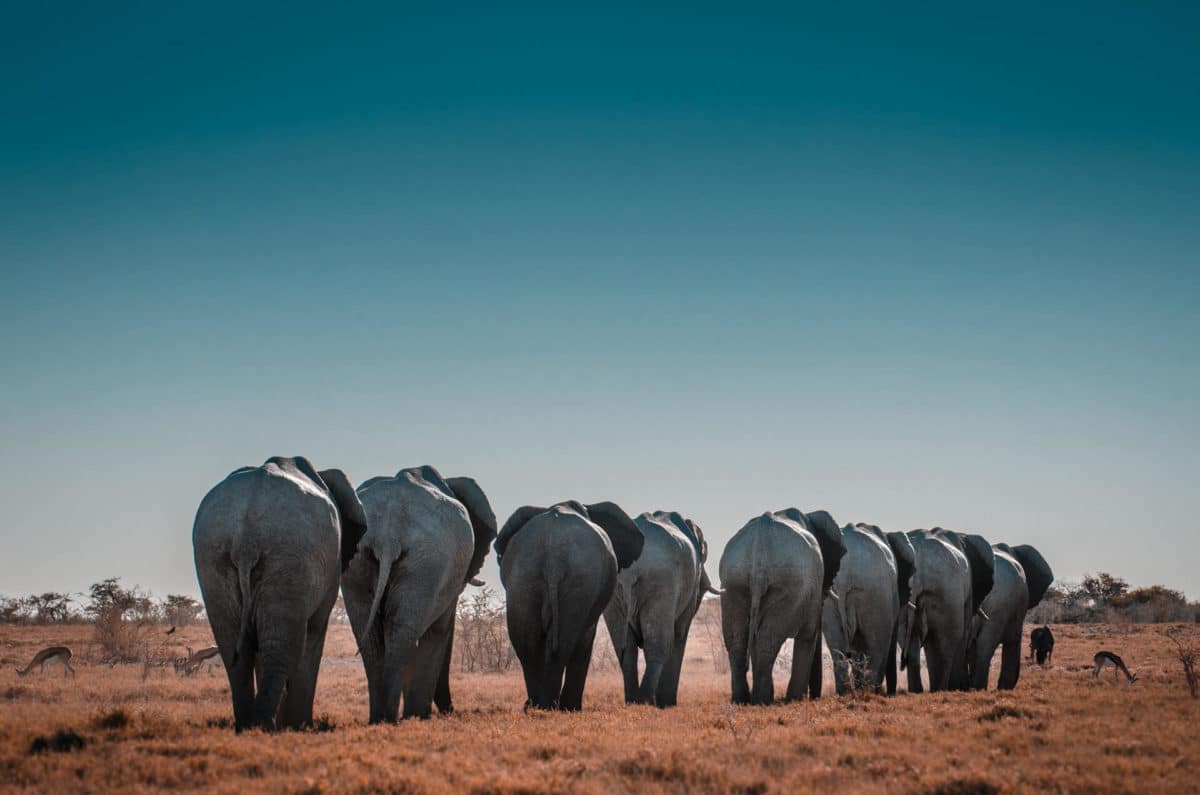
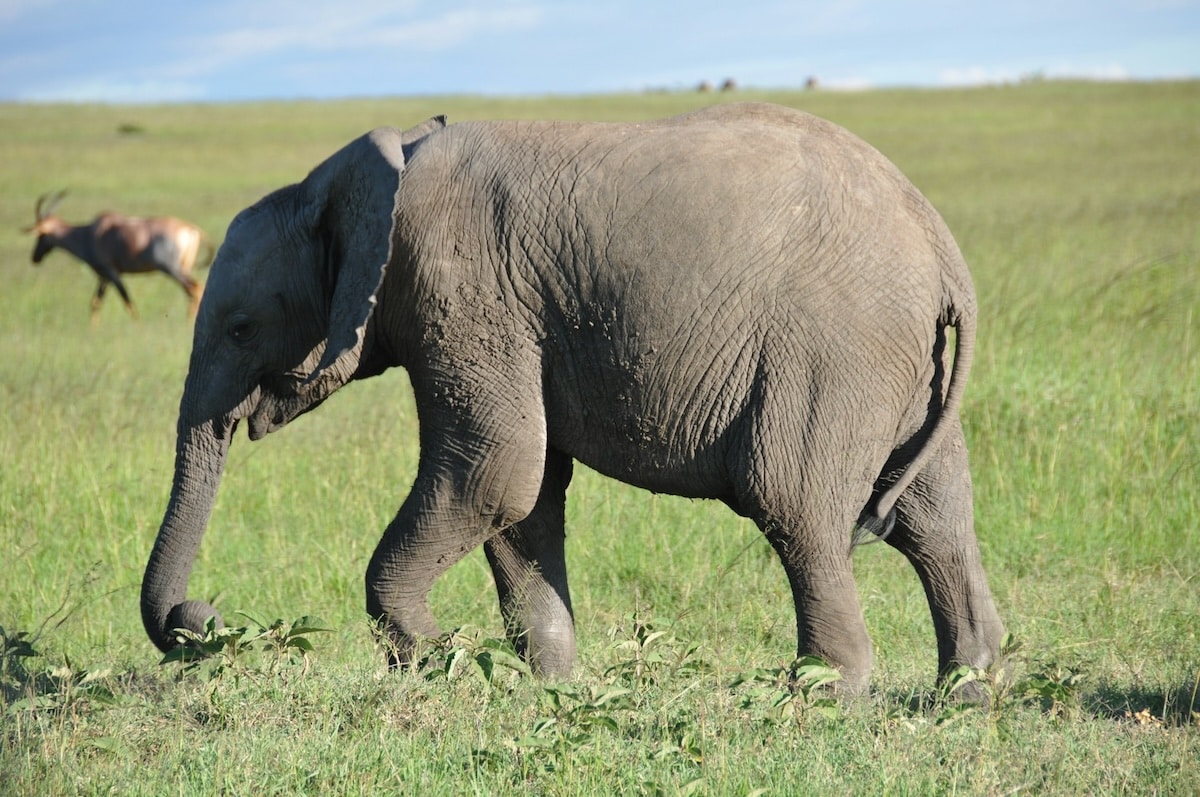
The three species of Elephant

Only two species of elephants have been recognized until quite recently: the African and Asian elephants. However, conclusions from several research studies revealed that there are actually three species of elephants roaming the earth:

  1. African bush elephant (also known as the African savanna elephant)
  2. African forest elephant
  3. Asian elephant