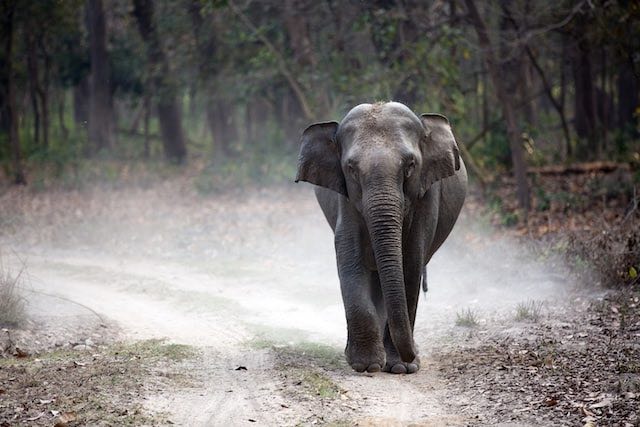
India is home to more wild Asian elephants than any other country on earth. Roughly 60 percent of the world’s Asian elephant population walks its forests – from the grasslands of Kaziranga in the northeast to the tea country of Kerala in the south. For anyone who wants to see wild Asian elephants in their native range, India is the best country to do it.
There are around 27,000 wild elephants in India, spread across 32 designated Elephant Reserves. The best places to see them are Kaziranga National Park (Assam), Periyar (Kerala), Nagarhole and Bandipur (Karnataka), Mudumalai (Tamil Nadu), Jim Corbett (Uttarakhand), and Wayanad (Kerala). Sightings are most reliable between October and June, outside the monsoon, and elephants should always be observed on jeep or boat safaris – not at rides or temple performances.
This guide covers the best national parks and wildlife reserves for seeing elephants in India, when to visit each one, what to expect, and how to avoid the unethical tourist traps that still exist around elephant rides, temple elephants, and overcrowded camps.
Elephants in India at a Glance
| Species | Asian elephant (Elephas maximus indicus) |
| Wild population | Around 27,000 (60% of world’s Asian elephants) |
| Elephant Reserves | 32 (recognized by Project Elephant) |
| Conservation status | Endangered (IUCN) |
| Best months to visit | October to June (avoid monsoon) |
| Best regions | Northeast (Assam), South India (Karnataka, Kerala, Tamil Nadu), North (Uttarakhand) |
How Many Elephants Are in India?
India’s most recent elephant census (2017) counted roughly 27,000 wild elephants, though current estimates sometimes range up to 29,000. That’s about 60 percent of the world’s total wild Asian elephant population, making India by far the most important stronghold for the species.
The population is concentrated in four main regions:
- South India (Karnataka, Tamil Nadu, Kerala) – the largest population, roughly 11,500 to 14,000 elephants in the Western Ghats.
- Northeast India (Assam, Meghalaya, Arunachal Pradesh) – around 10,000 elephants in the Brahmaputra floodplain and surrounding hills.
- Central India (Odisha, Jharkhand, Chhattisgarh) – about 3,500 elephants.
- North India (Uttarakhand, Uttar Pradesh) – around 2,000 elephants in the Himalayan foothills.
India also keeps around 2,500 to 3,000 captive elephants, used historically in temples, timber work, and tourism. Many of them live in conditions that would fail welfare standards anywhere in the West, which is why responsible tourists stick to wild-elephant viewing on proper safaris.
For global context, see our guide to how many elephants are left in the world.
Best Places to See Elephants in India
1. Kaziranga National Park (Assam)
Kaziranga is a UNESCO World Heritage site in the Brahmaputra floodplain and one of the highest-density wildlife areas in India. It’s best known for one-horned rhinos, but it also holds around 1,200 wild Asian elephants – you’ll often see them on the tall-grass flood plains from the jeep trails.
- When to go: November to April. The park closes in the monsoon (May to October) because the Brahmaputra floods the plain.
- How to see elephants: Jeep safari (multiple ranges: Kohora, Bagori, Agaratoli). Morning and afternoon drives.
- Worth knowing: Kaziranga used to offer elephant-back safaris. These have largely been phased out in favor of jeep safaris on welfare grounds.
2. Periyar National Park (Kerala)
Periyar, in Kerala’s Western Ghats, is one of the most reliable elephant-viewing parks in South India. The park is built around a large reservoir, and the best way to see elephants is from a boat on the lake – herds come down to drink, bathe, and cross between forested banks.
- When to go: October to March (dry, cooler); April to June also good for sightings at waterholes.
- How to see elephants: Boat cruise on Periyar Lake (book Kerala Forest Department boats, not private ones). Guided jungle walks also available.
- Nearby: Thekkady is the main town and base for visits.
3. Nagarhole and Kabini (Karnataka)
The Kabini area of Nagarhole National Park is famous for its summer elephant congregations. As the surrounding forests dry out in April and May, hundreds of elephants come to drink and bathe at the Kabini reservoir. It’s one of the great wildlife spectacles in Asia – groups of 50 to 150 elephants gathered in one place.
- When to go: March to June for the big summer gathering; October to February is also very good for general sightings.
- How to see elephants: Boat safari on the Kabini backwaters is the classic way. Jeep safaris in the wider Nagarhole forest also reliable.
- Base: Kabini village (several lodges). Flights to Mysuru or Bengaluru, then 2 to 3 hours by road.
4. Bandipur National Park (Karnataka)
Bandipur sits directly south of Nagarhole and forms part of the same contiguous Nilgiri Biosphere. It has strong elephant populations alongside tigers, gaur, and sambar. The terrain is a mix of dry deciduous forest and scrub – open enough to spot elephants at distance.
- When to go: October to May.
- How to see elephants: Forest department jeep and bus safaris.
5. Mudumalai and Theppakadu (Tamil Nadu)
Mudumalai Tiger Reserve is contiguous with Bandipur (Karnataka) and Wayanad (Kerala) – together they form the Nilgiri Biosphere, the largest protected habitat for Asian elephants in the world. The Theppakadu Elephant Camp inside Mudumalai gained international attention after the 2022 Netflix documentary The Elephant Whisperers, which won the 2023 Academy Award for Best Documentary Short.
- When to go: October to May.
- How to see elephants: Wild elephants from the forest department’s safari jeeps. Theppakadu Camp is a government-run captive-elephant facility that also rehabilitates orphaned calves; you can visit during public feeding times.
- Worth noting: Theppakadu is a genuine rescue/care facility – not a tourist ride operation.
6. Wayanad Wildlife Sanctuary (Kerala)
Wayanad is the Kerala piece of the Nilgiri Biosphere and one of the most consistent elephant-viewing parks in the south. Elephants are seen both inside the reserve and on adjacent tea and coffee estates, which does mean human-elephant conflict is a real issue in the region.
- When to go: October to May.
- How to see elephants: Forest department jeep safaris in Tholpetty and Muthanga ranges.
7. Jim Corbett National Park (Uttarakhand)
Corbett is India’s oldest national park (1936), set in the Himalayan foothills. It’s more famous for tigers, but has a healthy elephant population of around 1,000. The Dhikala zone is the prime area for elephant sightings – grassland and river meadows where herds gather.
- When to go: November to June.
- How to see elephants: Jeep safaris in Dhikala, Bijrani, and Jhirna zones.
8. Dubare Elephant Camp (Karnataka)
Dubare is a Karnataka Forest Department camp on the Cauvery River, about 240 km from Bengaluru. It’s home to around 20 to 30 captive elephants used historically in timber work and ceremonies, including the famous Mysuru Dasara procession. Visitors can observe morning feeding and bathing routines.
- When to go: October to May.
- What to expect: Morning bath and feeding sessions, educational talks. No rides in the ethical sense – some operators sell “elephant interactions” which remain controversial and welfare-debatable.
9. Anamalai Tiger Reserve (Tamil Nadu)
Anamalai (also called the Indira Gandhi Wildlife Sanctuary) is a less-visited reserve in the Western Ghats. It has a high elephant density and a more rugged, forested landscape than Mudumalai or Wayanad.
- When to go: October to May.
- How to see elephants: Forest department safaris from Top Slip.
10. Manas National Park (Assam)
Manas is another UNESCO site in Assam, directly on the Bhutan border. It’s less commercial than Kaziranga and holds elephants alongside rare species like the pygmy hog and Bengal florican. A good option for travellers wanting a quieter experience.
When Is the Best Time to See Elephants in India?
The best window is October to June, which brackets the monsoon. Within that range, the specifics matter:
| Months | Conditions | Best for |
|---|---|---|
| October to December | Cool, lush after monsoon | General wildlife; all parks open |
| January to March | Dry, cool mornings | Reliable sightings; comfortable weather |
| April to June | Hot and dry | Kabini summer gathering; elephants at waterholes |
| July to September | Monsoon; many parks closed | Avoid for safari; heavy rain, flooded plains |
For a broader overview, our seasonal elephant viewing calendar covers timing across every major country, and our elephant destinations hub rounds up every country guide we publish.
Responsible Elephant Tourism in India
India has a complicated relationship with captive elephants. The country has strong wild populations and a deep cultural history with the species, but it also has thousands of captive elephants in poor welfare conditions – temple elephants, private ownership, riding camps, and commercial tourist operations.
Rules of thumb for a responsible trip:
- See wild elephants on safari. Jeep safaris in national parks, or boat safaris at Periyar and Kabini. This is where the magic actually is.
- Skip elephant rides. Riding camps and “safari elephants” are not the experience to pursue – the training and living conditions are usually unacceptable.
- Skip temple elephants. Many Kerala temple elephants live in chronic chains with documented welfare issues. Watching them in processions normalizes the practice.
- Be cautious with “sanctuaries”. The word is used loosely in India. Genuine rescue-and-care facilities exist (Wildlife SOS’s Elephant Conservation and Care Center in Mathura is probably the best-known), but many commercial “sanctuaries” are not what they claim.
- Support Wildlife SOS and similar organizations. India’s best elephant welfare work is done by a handful of NGOs with verifiable rescue records.
Our guide on visiting elephant sanctuaries and orphanages covers the due diligence in more detail.
About the Indian Elephant
The Indian elephant (Elephas maximus indicus) is one of three recognized subspecies of the Asian elephant. Compared to African bush elephants, Asian elephants are smaller, have smaller ears, a more rounded back, and typically only males grow visible tusks. Indian elephants sit in the middle of the Asian elephant size range.
- Height at shoulder: 2 to 3.5 metres for adult males; smaller for females
- Weight: 2,000 to 5,000 kg (4,400 to 11,000 lb)
- Lifespan: 55 to 70 years in the wild (see our elephant lifespan guide)
- Tusks: Only some males (“tuskers”) have visible tusks; females usually have small “tushes” (see our elephant tusks guide)
- Diet: Grasses, leaves, bark, fruit, crops; an adult eats 150 to 200 kg of plant matter a day
For the full species comparison, see our guide on African vs Asian elephants.
FAQ about Elephants in India
Roughly 27,000 wild Asian elephants according to the most recent national census, plus around 2,500 to 3,000 captive elephants. India holds about 60 percent of the world’s total wild Asian elephant population, making it by far the most important country for the species.
Kaziranga National Park (Assam) for a northeast India experience, and Kabini/Nagarhole (Karnataka) for the famous summer elephant gathering. Periyar in Kerala offers reliable boat-safari sightings. For a shorter trip from Bengaluru, Bandipur and Nagarhole are the easiest to reach.
October to June, outside the monsoon. April to June is the hottest but offers dramatic elephant congregations at waterholes (especially at Kabini). November to March is the most comfortable period for travel, with consistent general wildlife sightings.
Some private operators still offer elephant rides, but it’s not recommended. The training and living conditions for riding elephants are almost always poor, and India’s national parks are phasing out elephant-back safaris in favour of jeep and boat safaris. Stick to wild-elephant viewing from vehicles.
Theppakadu is a Tamil Nadu Forest Department camp inside Mudumalai Tiger Reserve. It rehabilitates orphaned and injured elephants and houses captive elephants that can no longer be released. The camp gained worldwide attention through the 2022 Netflix documentary The Elephant Whisperers, which won the 2023 Oscar for Best Documentary Short.
Yes. The most established is Wildlife SOS’s Elephant Conservation and Care Center in Mathura, Uttar Pradesh, which rescues elephants from abusive circumstances. Theppakadu Camp in Tamil Nadu is a government-run care facility. Several other operations call themselves ‘sanctuaries’ but are essentially riding camps – research welfare reviews before visiting any commercial facility.
Yes. The Asian elephant is classified as Endangered on the IUCN Red List. Habitat loss, human-elephant conflict, and poaching for ivory and captive trade are the main threats. India’s population is the largest in the world, but it is still under significant pressure.