Categories
Different species Visit elephants

Borneo Pygmy Elephants: Where to See Them

The Borneo pygmy elephant is the smallest – and most genetically distinct – subspecies of Asian elephant on earth. Found only on the island of Borneo, and almost entirely within the Malaysian state of Sabah, it’s one of the rarest elephants in the world. Roughly 1,000 to 1,500 of them are left in the wild.

Borneo pygmy elephants (Elephas maximus borneensis) are a subspecies of the Asian elephant found only on the island of Borneo, mostly in the Malaysian state of Sabah. They stand around 2.5 metres (8 feet) tall at the shoulder – roughly 30 to 60 cm shorter than mainland Asian elephants – with rounder faces, larger ears, longer tails, and straighter tusks. Only 1,000 to 1,500 remain in the wild, mostly along the Kinabatangan River and in Tabin, Deramakot, and Danum Valley forest reserves. They’re classified as Endangered by the IUCN and are threatened primarily by palm-oil-driven deforestation.

This guide covers what makes Borneo pygmy elephants a distinct subspecies, how big they actually are, where to see them in Borneo, the palm-oil conflict threatening their habitat, and what responsible tourism for this species looks like.

Categories
Different species Visit elephants

Best Places to See Elephants in India

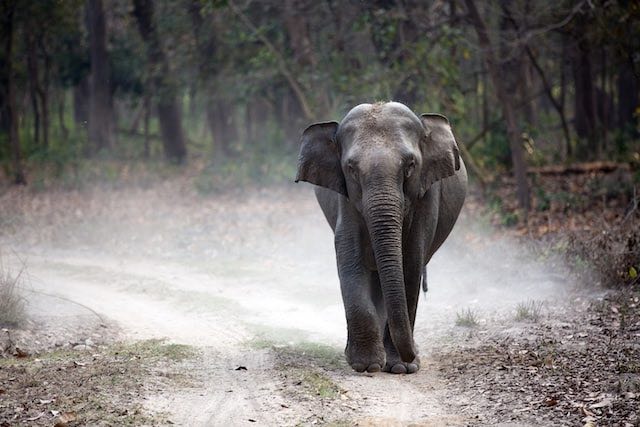
India is home to more wild Asian elephants than any other country on earth. Roughly 60 percent of the world’s Asian elephant population walks its forests – from the grasslands of Kaziranga in the northeast to the tea country of Kerala in the south. For anyone who wants to see wild Asian elephants in their native range, India is the best country to do it.

There are around 27,000 wild elephants in India, spread across 32 designated Elephant Reserves. The best places to see them are Kaziranga National Park (Assam), Periyar (Kerala), Nagarhole and Bandipur (Karnataka), Mudumalai (Tamil Nadu), Jim Corbett (Uttarakhand), and Wayanad (Kerala). Sightings are most reliable between October and June, outside the monsoon, and elephants should always be observed on jeep or boat safaris – not at rides or temple performances.

This guide covers the best national parks and wildlife reserves for seeing elephants in India, when to visit each one, what to expect, and how to avoid the unethical tourist traps that still exist around elephant rides, temple elephants, and overcrowded camps.

Categories
Elephant behaviors Questions & Answers (FAQs)

Why Do Elephants Destroy Trees?

Have you ever been so frustrated with something that you just wanted to take it out on the nearest tree?

Elephants seem to have the same problem – except they’re much bigger and stronger meaning that when they do push over trees – they actually fall.

From agricultural fields to forests and even urban areas, elephants are known for their destructive tendencies regarding trees. Why is it that elephants destroy trees?

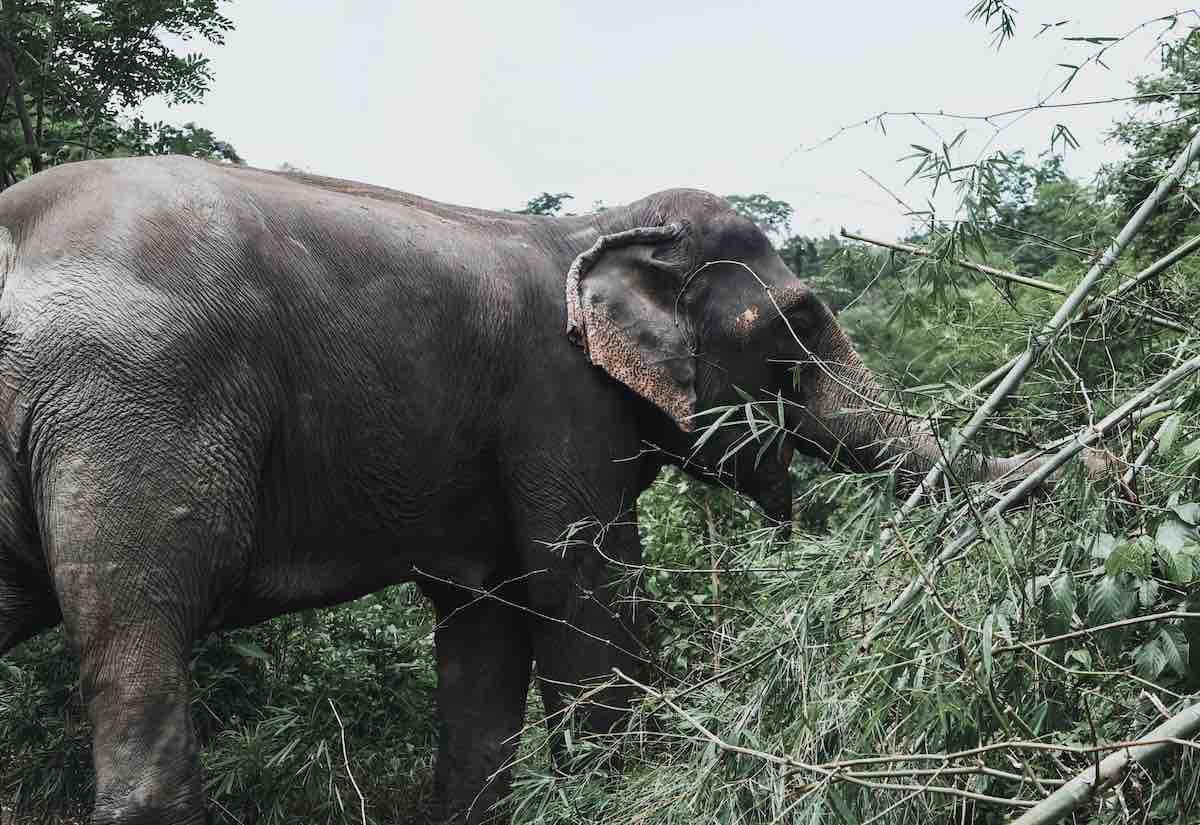
With an uncanny ability to find the most nourishing parts of trees, elephants have developed a habit of breaking tree trunks for easy access.

This gives them quick and effortless access to leaves, roots, and all essential nutrients available within the plant.

In this article, we’ll look at some environmental and anthropogenic factors contributing to elephant-tree destruction and discuss potential solutions.

We’ll also debunk some myths surrounding this issue to understand better what’s happening here.

Categories
Conservation efforts Questions & Answers (FAQs) Saving elephants

How Does Climate Change Elephant Habitats?

Climate change is having a profound and devastating impact on elephant habitats around the globe. Elephants are considered keystone species, meaning that their presence in an ecosystem can determine the overall health of its environment.

As climate change brings about increased temperatures, more frequent and severe weather events, and other changes to the environment, it affects not only direct resources like food and water but also the broader environment in which elephants live and their opportunity to thrive and reproduce.

The most significant disruption caused by climate change is the alteration of elephants’ natural migration patterns, as their traditional food and water sources become harder to find.

With fewer resources available, they are compelled to move into smaller areas where resources are denser — but this is associated with human-elephant conflict as we compete for the same, in some cases, limited resources.

As resources become scarce due to the general impacts of climate change, elephants are forced to compete with other species for food, water, and habitat, leading to increased conflict and harm to elephants.

Changes in temperature and rainfall patterns can also lead to changes in vegetation patterns, affecting the food supplies of elephants and leading to malnutrition and reduced health.

Furthermore, climate change is leading to an increase in the frequency and intensity of extreme weather events, such as heatwaves, droughts, and hurricanes, which can cause significant damage to elephant habitats, leading to further declines in the number of elephants.