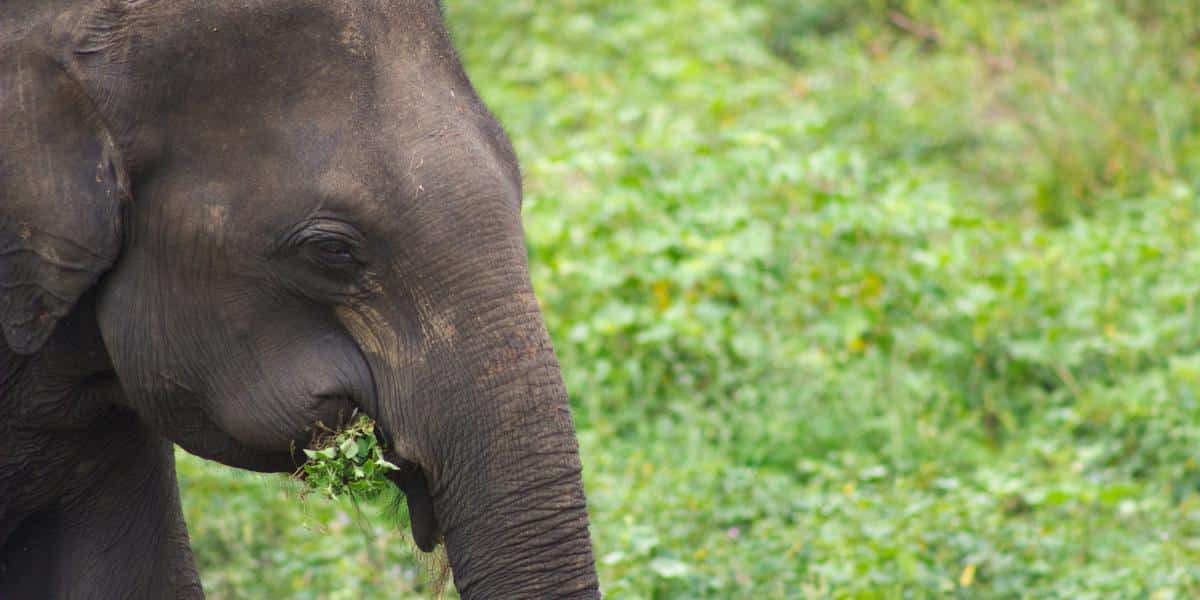
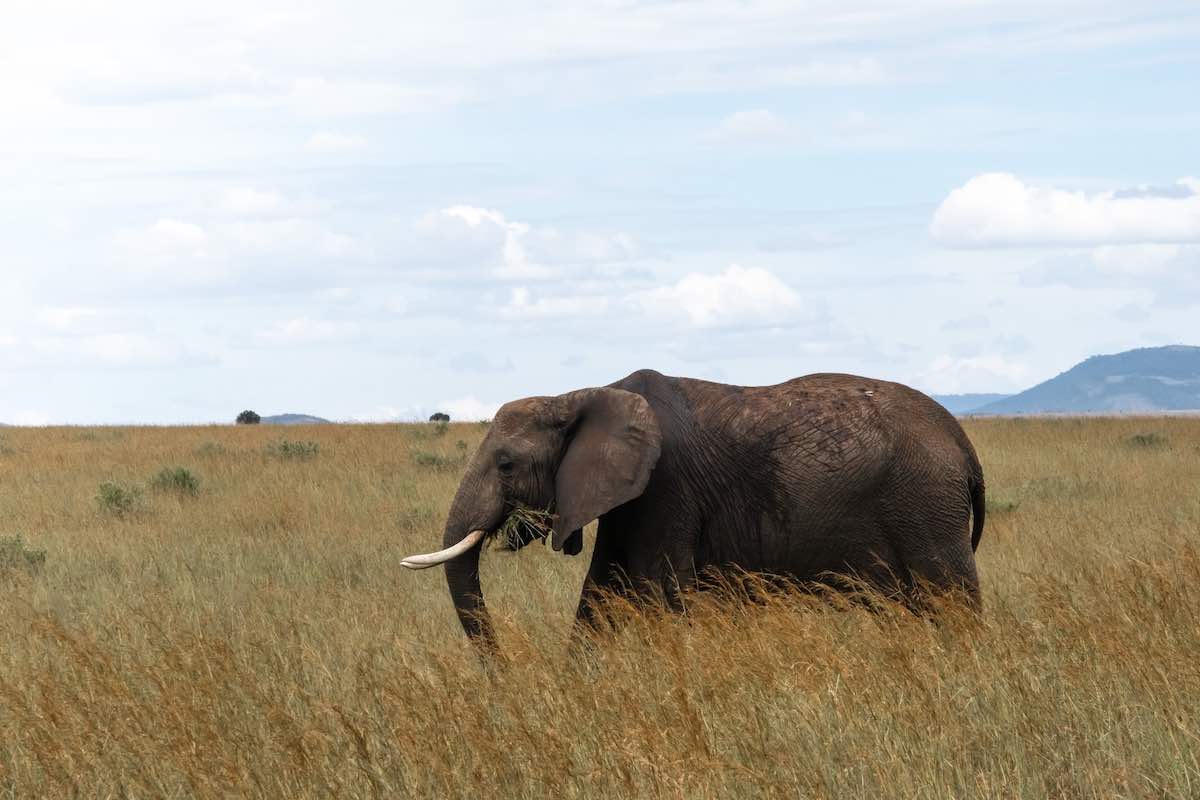
Elephants are the largest land animals on Earth, and feeding a body that big is a full-time job — they spend up to 16–18 hours a day eating and put away 150 to 300 pounds of food. But what exactly is on the menu? Elephants are pure herbivores, and their diet shifts by species, habitat and season. Here’s a complete look at what elephants eat, how much, and how their eating shapes entire ecosystems.
The short answer: elephants are herbivores that eat grasses, leaves, bark, twigs, roots, fruit and shrubs — roughly 150–300 lb (68–136 kg) per day, washed down with 25–50 gallons of water.
The Proboscidea is the superorder that includes elephants and mammoths, the Elephantidae. There are three families in this order: African Elephants, Asian Elephants, and Mammoths.
Only the elephant family is still around today. So, how big were mammoths compared to elephants?
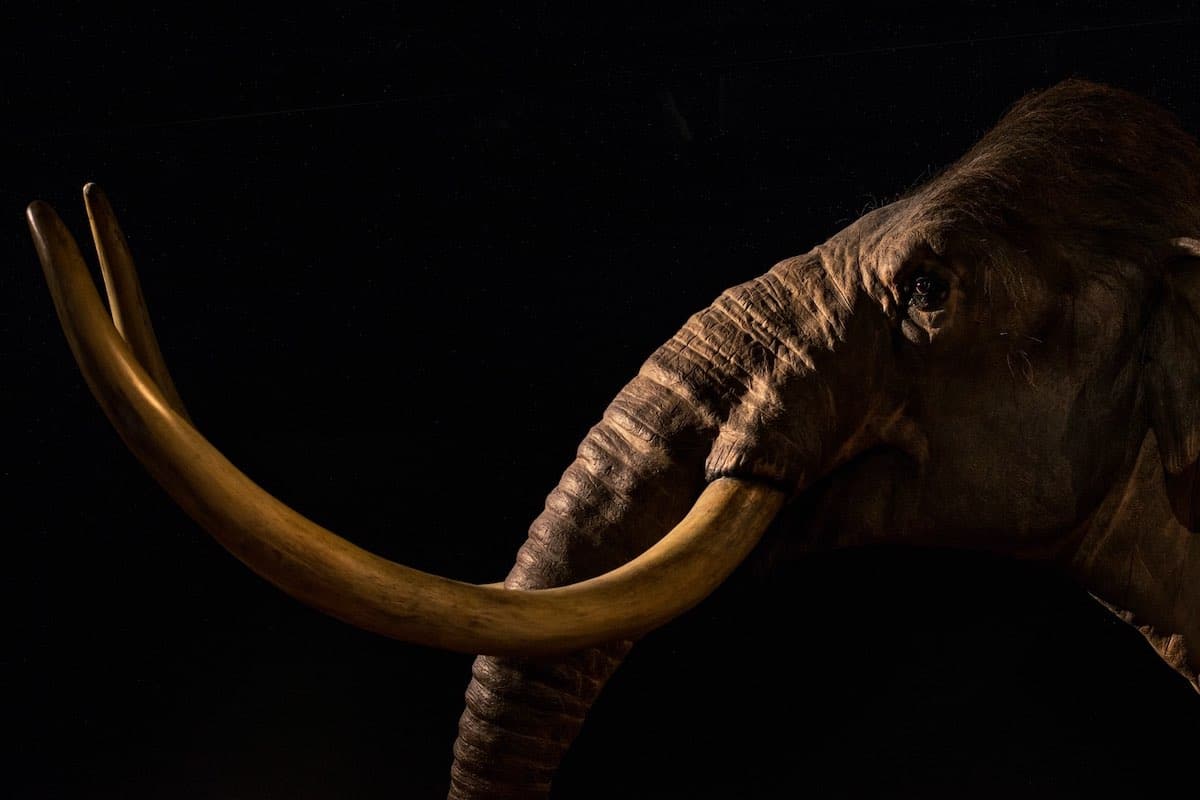
The woolly mammoth was not as large as people originally thought. In fact, they were only the size of modern African elephants. A male’s shoulder height would range from 9 to 11 feet, weighing approximately 6 tons.
Though many people incorrectly believe otherwise, elephants and mammoths are not closely related–they are distant cousins. Both animals coexisted peacefully with humans for a very long time.
Although male elephants will have the occasional violent outburst over things such as territory and mating rights, they are usually gentle animals.
In this article, we’ll compare and contrast elephants with mammoths – looking at why the former have persisted while the latter have perished.
The elephant is the largest known mammal to live on land. This creature’s large tusks, enormous ears, and muscular but sensitive legs make it stand out among other animals.
Even though all elephants share some similarities, every species has distinct features. But there are still some main reasons why elephants are endangered in the world today.
There are three living species of elephant: African bush elephant (also known as savannah elephant), African forest elephant and the Asian elephant. Asian elephants have smaller ears and a level back, while African elephants have larger ears and a more concave back. Meanwhile, the Asian elephant is listed as endangered by the IUCN.
In this article we’ll discusses why elephants are endangered, their natural habitats, what makes them significant to the wildlife world, the dangers they face as a species, and ways we can prevent their extinction. Read on!
Elephant musth – a natural, yet extraordinary phenomenon that showcases nature’s raw intricacy. Musth triggers significant hormonal, physiological, and behavioral changes in adult male elephants, influencing everything from individual temperaments to social hierarchies within herds.
Understanding musth, however, extends beyond mere academic curiosity. It is crucial for managing human-elephant coexistence and driving effective conservation efforts.
As such, demystifying the complexity of musth, debunking common myths, and shedding light on this unique aspect of elephant life forms an essential part of our exploration.
Whether you’re an aspiring conservationist, wildlife enthusiast, or simply intrigued by these magnificent creatures, this exploration offers valuable insights into understanding elephants and their intriguing world.
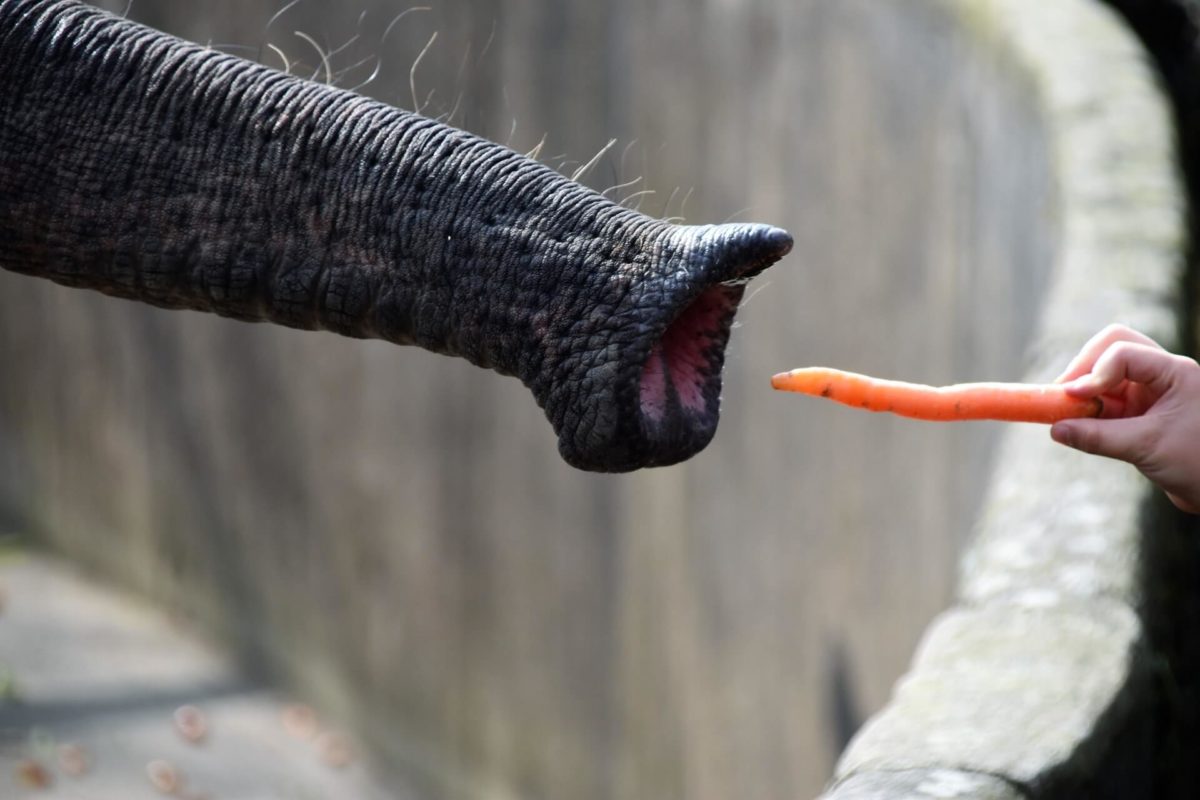
The elephant trunk is one of the most extraordinary structures in the animal kingdom — a single organ containing between 40,000 and 150,000 distinct muscle units, yet not a single bone. Capable of uprooting a tree one moment and delicately picking up a coin the next, the trunk is the Swiss Army knife of the natural world. Understanding what it is, how it works, and what it does reveals just how deeply evolution has shaped these animals into something genuinely unlike anything else on Earth.
Did you know that an elephant’s heart can weigh as much as a 10-year-old child? Or that a baby elephant is born weighing more than 200 pounds — and can walk within hours of birth? Elephants are some of the most extraordinary animals on our planet, and the more you learn about them, the more astonishing they become. Whether you are working on a school project, satisfying a burning curiosity, or just love animals, this guide covers the most amazing elephant facts for kids in one place.
There are some Elephants behaviors that can be said to be natural or stereotypical, but then there are some that are considered to be abnormal. The swaying of an Elephant is something that is often linked to distress, so if you see an Elephant swaying then it’s likely that something is wrong.
Other abnormal behaviors in Elephants include:
Playing with objects that aren’t toys
Obsessively chewing on things
Self-mutilation
Excessive shaking or twitching
Aggression towards people or other animals
However, it has also been noted that some captive elephants sway due to an instinctual need to keep balance. Swaying can also be a sign of physical discomfort, such as when an elephant is experiencing joint pain.
Trunk-in-air behaviour is another sign of distress in elephants. This is when an elephant lifts its trunk up in the air and waves it around, often while making a trumpeting sound.
This behaviour is usually only seen when an elephant is severely distressed or agitated.
When you think of elephants, the first thing that probably comes to mind is their gigantic size. They’re definitely big creatures. In fact, they’re the largest terrestrial mammal on Earth and they can be found in Africa (the African elephants) and in Asia (the Asian elephants). Read more about the difference between the elephant species.
An adult male elephant usually measures around 10 feet in height and can weigh up to 11 tons.
And while it’s obvious that these massive creatures have a large lung capacity and take frequent breaths of air, how do elephants breathe?
An elephant’s lungs are unusually small for its body size compared to other animals its sizes like humans, hippopotamuses, or moose.
The Asian and African elephants are both types of the same elephant species. Yet, they belong to different genera because there are so many variances between the two types of Elephants.
Africa and Asia are home to their respective species of elephants, known as Asian and African elephants.
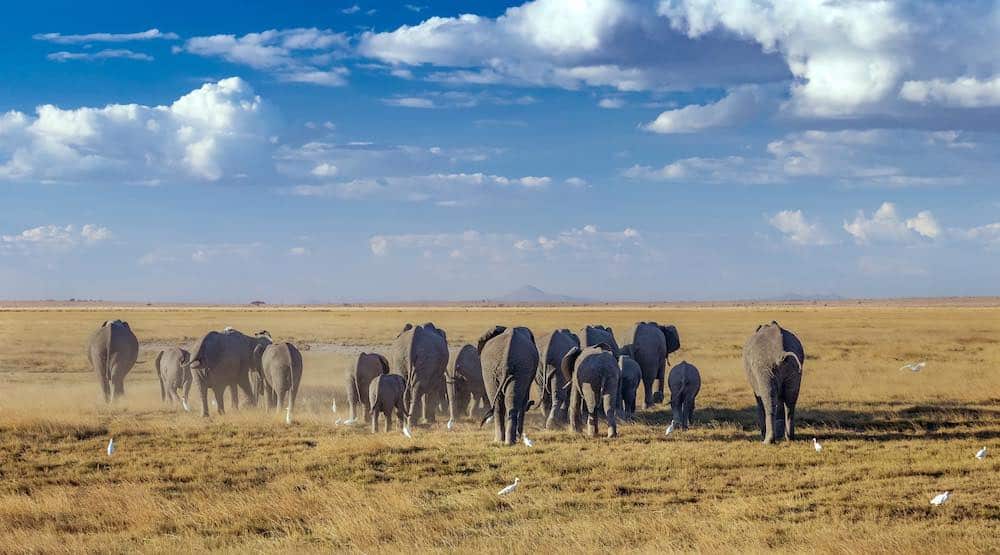
Both types of animals are friendly and congregate in huge groups called herds.
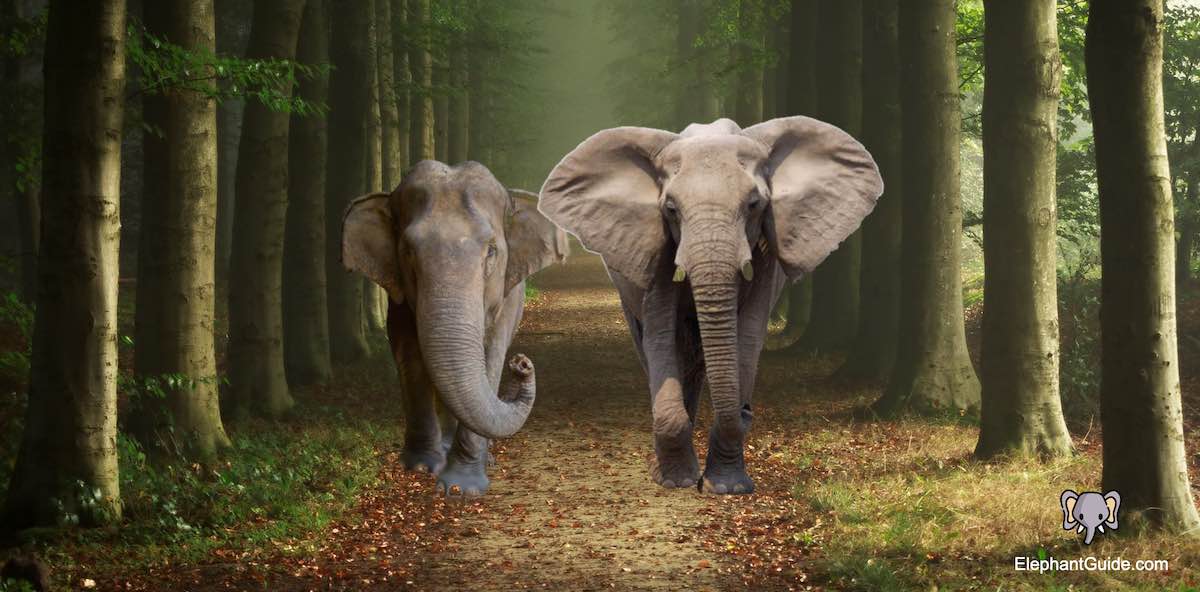
African and Asian elephants are easiest to tell apart by their ears, the shape of their heads, and their tusks.
Ethan of ElephantGuide.com
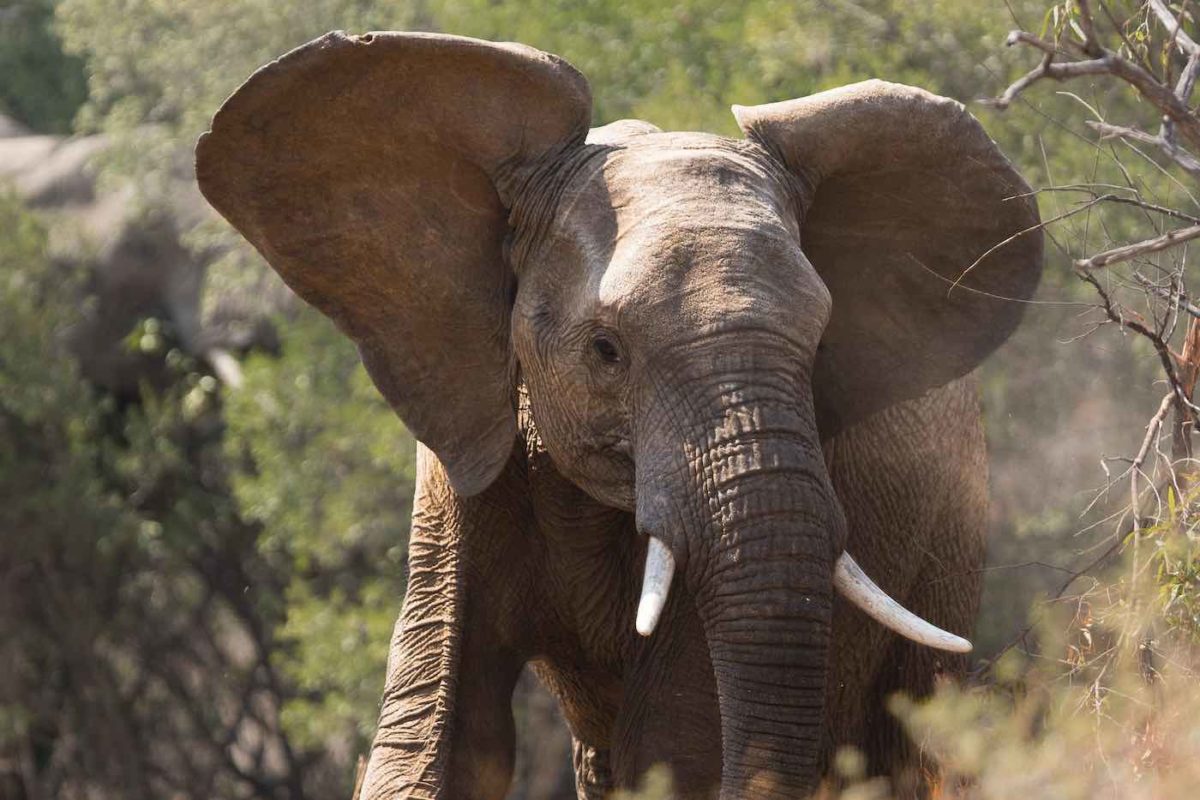
The simplest way to tell African and Asian elephants apart is by their ears. African elephants have enormous ears that are shaped like the continent of Africa. On the other hand, Asian elephants have much smaller, round ears.
There are two living species within this genus: the larger African savanna elephant, known scientifically as L. Africana, and the smaller African forest elephant, known scientifically as L. cyclotis.
The only living species of the genus Elephas, the Asian elephant (Elephas maximus), is also known as the Asiatic elephant.
The three subspecies of the Asian elephant are E. m. indicus, which lives in mainland Asia; E. m. Maximus, which is from Sri Lanka; and finally, E. m. sumatranus native to Sumatra Island.