Categories
Different species Visit elephants

Borneo Pygmy Elephants: Where to See Them

The Borneo pygmy elephant is the smallest – and most genetically distinct – subspecies of Asian elephant on earth. Found only on the island of Borneo, and almost entirely within the Malaysian state of Sabah, it’s one of the rarest elephants in the world. Roughly 1,000 to 1,500 of them are left in the wild.

Borneo pygmy elephants (Elephas maximus borneensis) are a subspecies of the Asian elephant found only on the island of Borneo, mostly in the Malaysian state of Sabah. They stand around 2.5 metres (8 feet) tall at the shoulder – roughly 30 to 60 cm shorter than mainland Asian elephants – with rounder faces, larger ears, longer tails, and straighter tusks. Only 1,000 to 1,500 remain in the wild, mostly along the Kinabatangan River and in Tabin, Deramakot, and Danum Valley forest reserves. They’re classified as Endangered by the IUCN and are threatened primarily by palm-oil-driven deforestation.

This guide covers what makes Borneo pygmy elephants a distinct subspecies, how big they actually are, where to see them in Borneo, the palm-oil conflict threatening their habitat, and what responsible tourism for this species looks like.

Categories
Different species Visit elephants

Best Places to See Elephants in India

India is home to more wild Asian elephants than any other country on earth. Roughly 60 percent of the world’s Asian elephant population walks its forests – from the grasslands of Kaziranga in the northeast to the tea country of Kerala in the south. For anyone who wants to see wild Asian elephants in their native range, India is the best country to do it.

There are around 27,000 wild elephants in India, spread across 32 designated Elephant Reserves. The best places to see them are Kaziranga National Park (Assam), Periyar (Kerala), Nagarhole and Bandipur (Karnataka), Mudumalai (Tamil Nadu), Jim Corbett (Uttarakhand), and Wayanad (Kerala). Sightings are most reliable between October and June, outside the monsoon, and elephants should always be observed on jeep or boat safaris – not at rides or temple performances.

This guide covers the best national parks and wildlife reserves for seeing elephants in India, when to visit each one, what to expect, and how to avoid the unethical tourist traps that still exist around elephant rides, temple elephants, and overcrowded camps.

Categories
Elephant safari Visit elephants

Where is the best place to see elephants?

Elephants are best seen in the wild. The best places to see elephants in Africa include: Kenya, Tanzania, Botswana and Uganda.

In Asia, Sri Lanka, India, and Thailand are all outstanding destinations for seeing elephants in their natural habitat.

Categories
Elephant safari Visit elephants

The Complete Seasonal Elephant Viewing Guide by Location

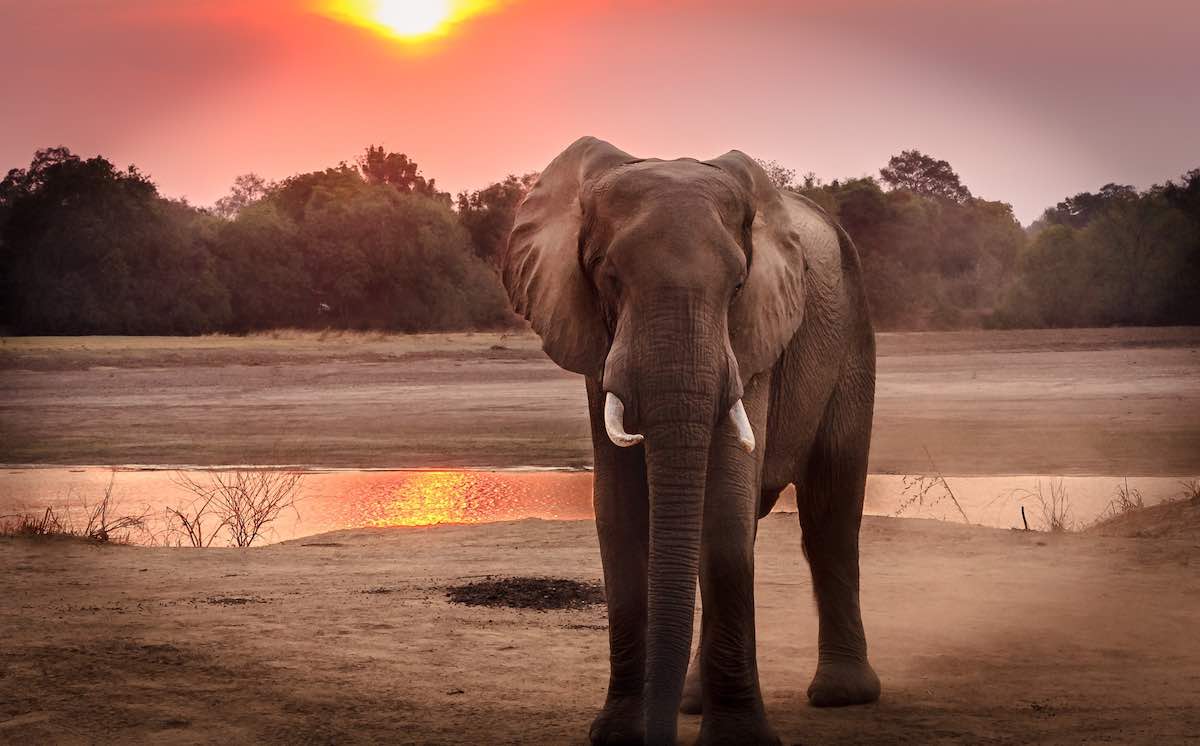
Timing is everything when it comes to elephant viewing, and understanding seasonal patterns can transform an ordinary wildlife encounter into an extraordinary experience that creates memories lasting a lifetime. Whether you dream of witnessing massive elephant herds congregating around African waterholes during the dry season or observing gentle giants bathing in Asian rivers during the monsoon months, choosing the right time to visit can dramatically impact the quality and frequency of your elephant sightings.

The seasonal behavior of elephants follows ancient patterns that have evolved over millions of years, driven primarily by the availability of water and food sources throughout different times of the year. During dry seasons, elephants concentrate around permanent water sources, creating spectacular viewing opportunities as hundreds of individuals gather in relatively small areas. Conversely, wet seasons see elephants dispersing across vast landscapes as temporary water sources become available, offering different but equally rewarding viewing experiences in lush, green environments.

This comprehensive seasonal elephant viewing guide covers the optimal times to see elephants across both Africa and Asia, providing detailed insights into the best months for each major destination, weather considerations, and practical planning advice to help you make the most of your elephant viewing adventure. From the iconic elephant populations of Kenya’s Amboseli National Park to the ethical sanctuaries of Thailand, we explore when and where to find the most memorable elephant encounters while maintaining the highest standards of responsible tourism.

Understanding these seasonal patterns not only enhances your chances of incredible wildlife sightings but also ensures you visit during times when elephants exhibit their most natural behaviors, from playful interactions at water sources to dramatic river crossings and complex social dynamics within family herds. By aligning your travel plans with these natural rhythms, you become part of a sustainable tourism model that supports elephant conservation while providing authentic experiences that respect these magnificent creatures and their natural habitats.
Categories
Elephant behaviors

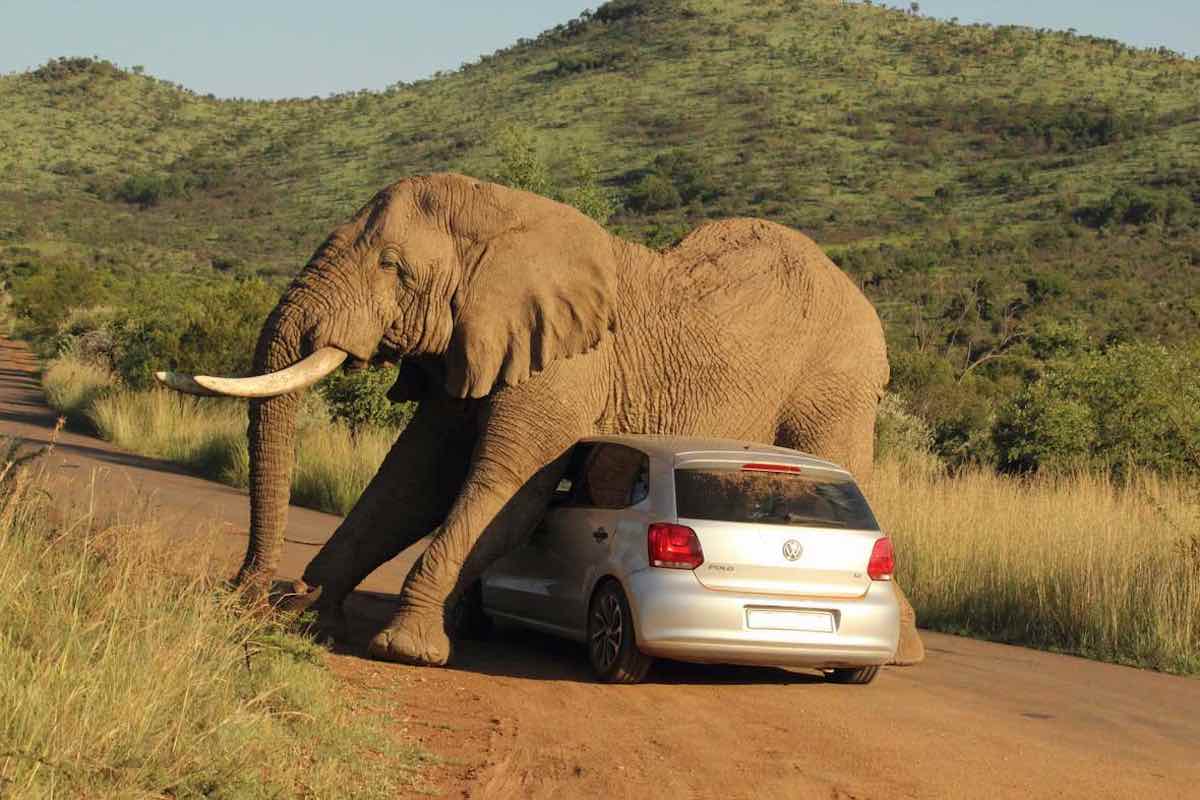
How Does an Elephant Scratch an Itch?

Elephants, known for their size and strength, also face the challenge of itching and the need for relief. Understanding how elephants alleviate their itchiness is a fascinating subject worth exploring.

Elephants possess a range of physical tools that aid in relieving their itchiness. Elephants may use various methods such as rubbing against trees, rocks, or other rough surfaces to alleviate itching.

Their trunks, with their remarkable dexterity, could also be instrumental in reaching and scratching those hard-to-reach areas.

Additional insight can be gained by observing the social behavior of elephants. It is possible that elephants engage in mutual grooming, where one elephant may use its trunk or tusks to gently scratch another elephant’s itchy spots.

This bonding and supportive behavior within the herd could serve as another effective way to alleviate itching while strengthening social connections among elephants.

Categories
Elephant behaviors Elephants in the wild

Signs In Nature and the Wild There Are Elephants

Welcome to our exploration of the signs of elephant presence in nature and the wild! Elephants are majestic creatures that have captured the imagination of people around the world for centuries.

Their sheer size, intelligence, and complex social behavior make them one of the most fascinating animals on the planet.

In this article, we will take a closer look at the ways in which elephants leave their mark on the natural world and how to recognize the signs of their presence in their natural habitats.

If you’re looking to track elephants, you should be on the lookout for footprints, droppings, dung piles, and broken branches.

Whether you are an avid wildlife enthusiast or simply interested in learning more about how to spot these incredible animals in the wild, this article is sure to provide you with new learnings that you can put into practise on your next trip.

So let’s dive in and discover the many signs of elephants in nature!

Categories
Different species Elephants in the wild Questions & Answers (FAQs)

What are the Differences Between African Elephant and Asian Elephants?

The Asian and African elephants are both types of the same elephant species. Yet, they belong to different genera because there are so many variances between the two types of Elephants.

Africa and Asia are home to their respective species of elephants, known as Asian and African elephants.

Both types of animals are friendly and congregate in huge groups called herds.

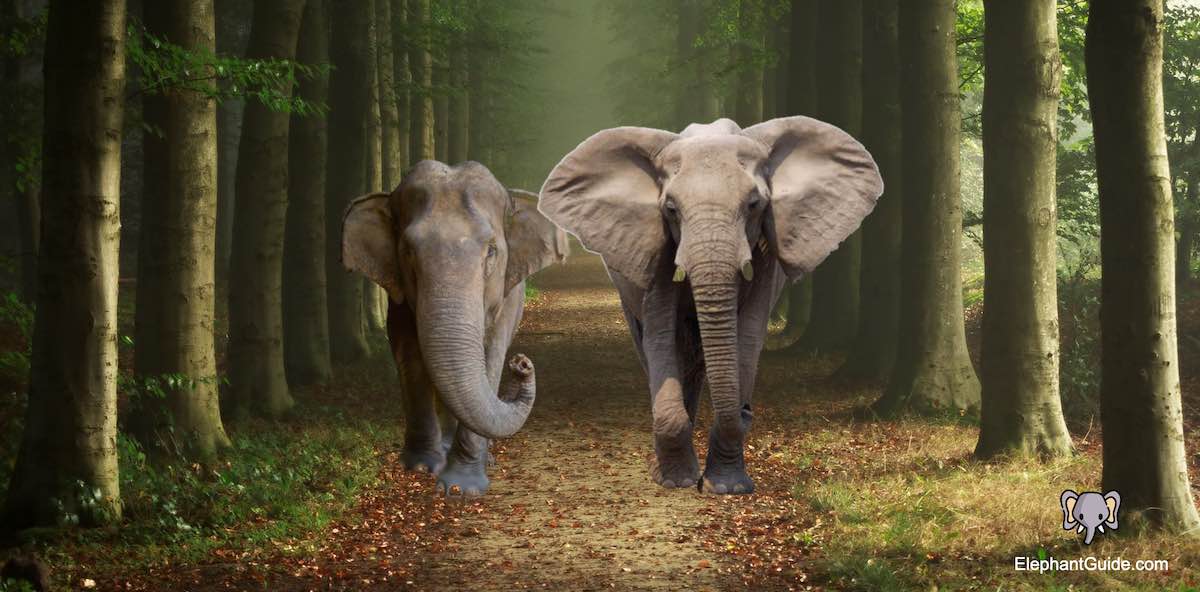
African and Asian elephants are easiest to tell apart by their ears, the shape of their heads, and their tusks.

Ethan of ElephantGuide.com

The simplest way to tell African and Asian elephants apart is by their ears. African elephants have enormous ears that are shaped like the continent of Africa. On the other hand, Asian elephants have much smaller, round ears.

There are two living species within this genus: the larger African savanna elephant, known scientifically as L. Africana, and the smaller African forest elephant, known scientifically as L. cyclotis.

The only living species of the genus Elephas, the Asian elephant (Elephas maximus), is also known as the Asiatic elephant.

The three subspecies of the Asian elephant are E. m. indicus, which lives in mainland Asia; E. m. Maximus, which is from Sri Lanka; and finally, E. m. sumatranus native to Sumatra Island.

Categories
Conservation efforts Elephants in the wild Questions & Answers (FAQs)

Reasons Why Elephants Are Endangered

The elephant is the largest known mammal to live on land. This creature’s large tusks, enormous ears, and muscular but sensitive legs make it stand out among other animals.

Even though all elephants share some similarities, every species has distinct features. But there are still some main reasons why elephants are endangered in the world today.

There are three living species of elephant: African bush elephant (also known as savannah elephant), African forest elephant and the Asian elephant. Asian elephants have smaller ears and a level back, while African elephants have larger ears and a more concave back. Meanwhile, the Asian elephant is listed as endangered by the IUCN.

In this article we’ll discusses why elephants are endangered, their natural habitats, what makes them significant to the wildlife world, the dangers they face as a species, and ways we can prevent their extinction. Read on!

Categories
Elephant safari Visit elephants

Best places to see Elephants in Cambodia

Cambodia is a place where you can see elephants in their natural habitat. This makes it one of the best places in Asia to see these animals, especially a great elephant attraction for tourists and elephant lovers from all over the world.

There are many ways to see elephants in Cambodia. You can go on an elephant safari, take an elephant ride through the jungle, or even visit an elephant sanctuary where you can feed and care for these great animals.

There are several locations in Cambodia to meet with elephants. These are our the top three: Mondulkiri Province, Elephant Valley Project, and Mondulkiri Elephant and Wildlife Sanctuary.

Read on to see our top 6 places to see Elephants in Cambodia.

Categories
Elephant safari Visit elephants

Best places to see Elephants in Vietnam

Are there wild elephants in Vietnam with all the lush vegetation and well-protected national parks? Is it possible to see elephants in Vietnam? The answer is yes, but the population of elephants is small.

Although, it is one of the best places in Asia to have a first-hand ethical elephant experience.

The best destination in Vietnam to see an Elephant is in the Yok Don National Park. The park is home to around 60 elephants that live in the wild. You can take a tour of the park and see them roaming around in their natural habitat.

Planning your visit? Use our seasonal elephant viewing calendar to find optimal times across Asia and Africa.