Diet & Nutrition of Elephants
Elephants eat about 165 to 330 lbs (75 to 150 kg) of food and drink up to 50 gallons of water a day, and what they eat shapes everything from their health to the ecosystems around them.
Quick answer
Elephants are strict herbivores that eat roughly 165 to 330 lbs (75 to 150 kg) of plants a day: mostly grasses in the wet season, then leaves, bark, roots and fruit as the dry season takes hold.
165 to 330 lbs
of plant matter eaten a day, 75 to 150 kg
Up to 50 gal
of water drunk a day, up to 190 liters
Under half
of what they eat is absorbed
16 to 18 hrs
spent foraging every day
What Do Elephants Eat? Our Latest Articles on Elephant Diet
Dive into our latest articles on elephant diets and nutrition: from their favorite fruits to how they forage and the role their diet plays in the wider ecosystem.

Do Elephants Eat Meat?
Do elephants eat meat? No. Elephants are herbivores. The biology behind it, why they sometimes handle bones and ivory, and how they get protein…
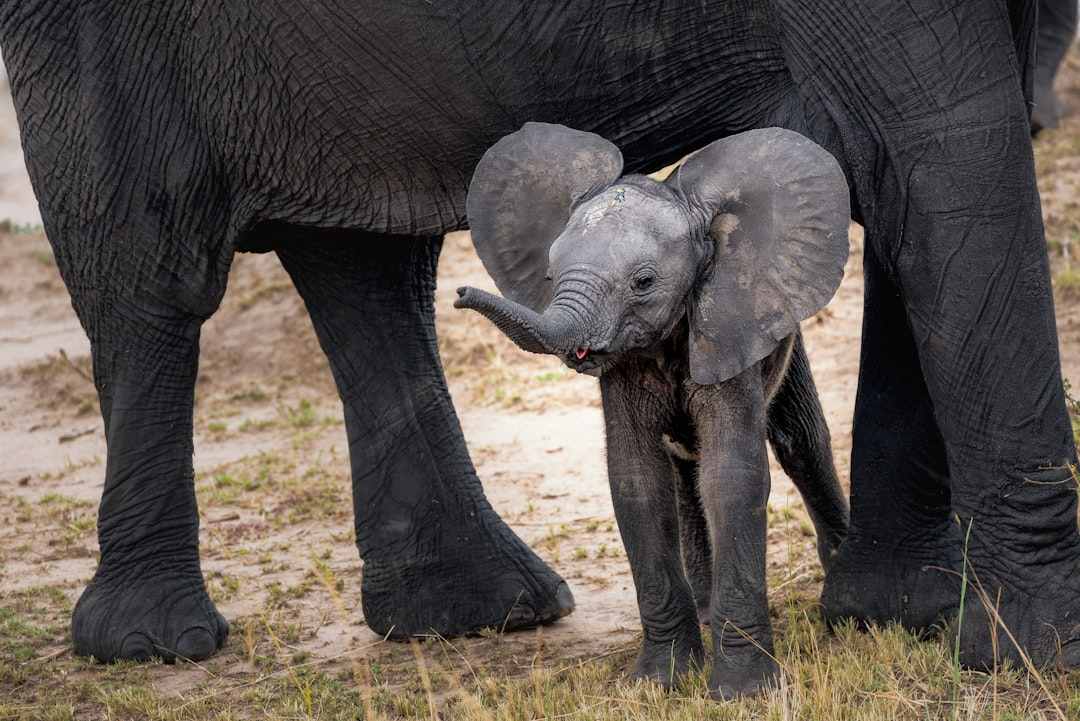
What Do Baby Elephants Eat?
A newborn elephant weighs roughly 150 to 350 lb (68 to 160 kg) and can’t yet control its own trunk. So how does it…

What Do Elephants Eat? Diet, Food & Feeding Habits
Elephants are the largest land animals on Earth, and feeding a body that big is a full-time job: they spend 16 to 18 hours…

What are Elephants favorite fruits?
Elephants are one of the most fascinating animals on earth. They are big, strong, and have a very unique appearance. But what do you…

Elephant Poo: Why these facts will ding-dung your mind
Adult elephants can produce roughly 100 kg (220 lb) of dung or more each day. Tsavo Trust says elephants defecate 10 to 20 times…
What Do Elephants Eat? A Complete Diet Overview
Elephants are strict herbivores, and their diet is as impressive as their size. In the wet season they eat more grass, but as the dry season takes hold they shift toward leaves, bark, roots, and fruit. On a typical day, an elephant consumes about 165 to 330 lbs (75 to 150 kg) of plant matter and drinks up to 50 gallons (190 liters) of water. Explore the full detail of what elephants eat and how their diet changes across the year.
Elephants are famously inefficient digesters: less than half of what they eat is absorbed. That means more than half passes straight through, which is precisely why they need to eat such enormous quantities every single day. Far from being a flaw, this low digestive efficiency makes them critical ecosystem engineers. Their dung is packed with seeds and nutrients, and as they move across the landscape they function as one of nature’s most powerful seed dispersal systems.
Diet varies significantly by season and geography. Elephants on the Serengeti follow rainfall patterns to track the freshest grass growth, sometimes covering 30 or more kilometers (about 20 miles) in a day in the dry season in search of food and water. Forest elephants, by contrast, rely far more heavily on fallen fruits and bark, and their more specialized diet plays a vital role in the regeneration of dense forest habitats. Understanding these patterns is key to understanding elephant behavior and conservation.

Favorite Foods and Foraging Behavior
Elephants are selective eaters with strong food preferences. Among fruits, mangoes, figs, wild berries, and bananas rank as firm favorites: elephants have a keen sense of smell and will alter their foraging route to seek out ripe fruit. Learn more about elephants’ favorite fruits and how smell drives their food choices.
The trunk is the elephant’s ultimate foraging tool. With tens of thousands of muscle fascicles (bundles of muscle fibers), it is precise enough to pluck a single berry or delicately strip bark from a tree, yet powerful enough to uproot an entire shrub. Elephants spend 16 to 18 hours of every day foraging, covering vast distances to maintain the extraordinary caloric intake their bulk demands. Watching an elephant forage is one of the great spectacles of the natural world.
That low digestive efficiency we mentioned above has a remarkable side effect: elephant dung is dense with germinating seeds. A single elephant moving across the landscape can carry seeds for many miles, making them one of Africa’s most important seed dispersers. Their dung also fertilizes the soil, supporting plant regrowth and biodiversity. The relationship between elephant diet and ecosystem health is one of the most fascinating stories in wildlife biology.
The elephant can survive only if forests survive.
Mark Shand
How we check our facts. We show the sources behind our numbers and the year on any figure that can change. See how we work, or ask us a question.