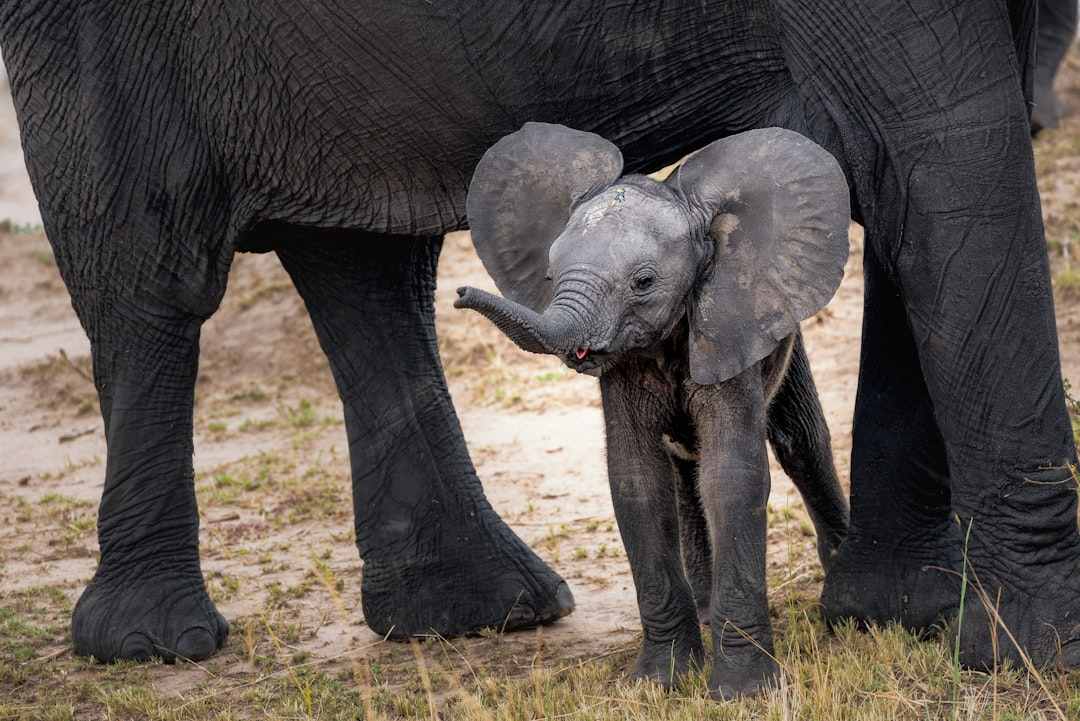
A newborn elephant weighs around 250 lbs and can’t yet control its own trunk — so how does it eat? The answer changes dramatically over its first few years, and it includes one habit that surprises almost everyone: baby elephants eat their mother’s dung, and they have a very good reason to. Here’s exactly what baby elephants eat, from their first drink of milk to their first mouthful of grass.
The short answer: baby elephants live on their mother’s milk for the first couple of years, starting to sample plants around 4–6 months old. Crucially, they also eat fresh dung from their mother and herd — this is how they acquire the gut bacteria needed to digest plants, which they are not born with.
What Do Baby Elephants Eat? A Feeding Timeline
A calf’s diet moves through clear stages as its body — and its trunk control — develops:
| Age | Main food | What’s happening |
|---|---|---|
| 0–4 months | Mother’s milk only | Suckles with the mouth, not the trunk; drinks up to ~3 gallons (11 L) of milk a day |
| ~2–4 weeks onward | Milk + tastes of dung | Begins eating fresh dung to seed its gut with plant-digesting bacteria |
| ~4–6 months | Milk + first plants | Starts experimenting with grass and soft vegetation as trunk control improves |
| ~1–2 years | Milk + increasing plants | Plants make up a growing share; milk still important |
| ~2–4+ years | Mostly plants, weaning | Gradually weaned; may still suckle occasionally until the next calf arrives |
Mother’s Milk: The First Two Years
For the first months of life, a calf is entirely dependent on milk. It drinks a remarkable amount — on the order of 3 gallons (around 11 litres) a day — and elephant milk is rich in fat and protein to fuel fast growth. Interestingly, the calf suckles with its mouth, not its trunk: young elephants often fold the trunk up and out of the way to nurse, because they haven’t yet mastered the 40,000-muscle appendage.
Milk remains the primary food for roughly the first two years. Calves then wean gradually rather than suddenly — many continue to suckle occasionally for several years, often only stopping when the mother has her next calf. For more on calf development, see facts about baby elephants.
Why Baby Elephants Eat Dung
This is the part that surprises people — and it’s one of the most important things a baby elephant does. Calves are born with a sterile gut: they have no bacteria in their digestive system at all. Milk-digesting microbes arrive with their mother’s milk, but the specialized bacteria needed to break down tough plant cellulose can’t be passed that way.
So the calf gets them the only way it can — by eating small amounts of fresh dung from its mother and other herd members, a behaviour called coprophagy. That dung is loaded with the live gut bacteria the calf needs to seed its own digestive system. Without it, the calf could never digest the plant-based diet it will depend on for the rest of its life. Calves typically begin this around 2–4 weeks of age — well before they start eating plants in earnest.
Baby elephants are born with no gut bacteria. Eating their mother’s dung is how they acquire the microbes needed to digest plants — it’s not a mistake, it’s essential.
It’s a vivid reminder of just how central dung is to elephant biology — see every fact about elephant poo for the wider story.
Learning to Use the Trunk
A calf’s move onto solid food is gated by a physical skill: trunk control. Newborns have little command of their trunks — you’ll see them step on, swing and generally fumble with them for the first few months. Only as the muscles and coordination develop (roughly from 4–6 months) can a calf reliably pluck grass, strip leaves and bring vegetation to its mouth. Mastering the trunk and starting solid food go hand in hand.
What Do Orphaned Baby Elephants Eat?
Orphaned calves — rescued after poaching, drought or human-elephant conflict — can’t simply be given cow’s milk; elephant milk is too different, and the wrong formula can be fatal. Rehabilitation centres like Kenya’s Sheldrick Wildlife Trust famously spent years developing a specialised milk formula (historically a coconut-based mix rather than dairy) that a calf can survive on. Hand-raised orphans are bottle-fed around the clock for years before being gradually reintroduced to the wild. It’s a powerful illustration of how demanding a baby elephant’s nutrition really is — and part of why the work in elephant conservation matters.
The bottom line
Baby elephants start on nothing but their mother’s milk — up to 3 gallons a day — then, from around 4–6 months, begin adding plants as their trunk control develops, weaning over 2–4 years. And early on they eat fresh dung to acquire the gut bacteria that make a lifetime of plant-eating possible. Keep exploring: facts about baby elephants, what adult elephants eat, and how long elephants are pregnant.
Frequently asked questions
For the first couple of years baby elephants live mainly on their mother’s milk — up to about 3 gallons (11 litres) a day. They begin sampling grass and soft plants around 4–6 months old, and they also eat fresh dung early on to acquire the gut bacteria needed to digest vegetation.
Because they’re born with no gut bacteria. Eating fresh dung (a behaviour called coprophagy) seeds their digestive system with the live microbes needed to break down tough plant fibre — bacteria that can’t be passed through milk. It usually starts around 2–4 weeks of age.
Milk is the primary food for roughly the first two years, but calves often continue to suckle occasionally for several years — frequently until the mother gives birth to her next calf. Weaning is gradual, not sudden.
Around 4–6 months old, once they gain enough trunk control to pluck and handle vegetation. Plants then make up an increasing share of the diet through the first few years.
No — young calves suckle with their mouths and often fold the trunk out of the way. It takes months to develop the coordination to use the trunk for feeding, which is one reason the switch to solid food is gradual.
They need a specialised milk formula — cow’s milk can be fatal to them. Centres like the Sheldrick Wildlife Trust developed a coconut-based formula and bottle-feed rescued calves around the clock for years before rewilding them.