Categories
Diet & Nutrition

What Do Baby Elephants Eat?

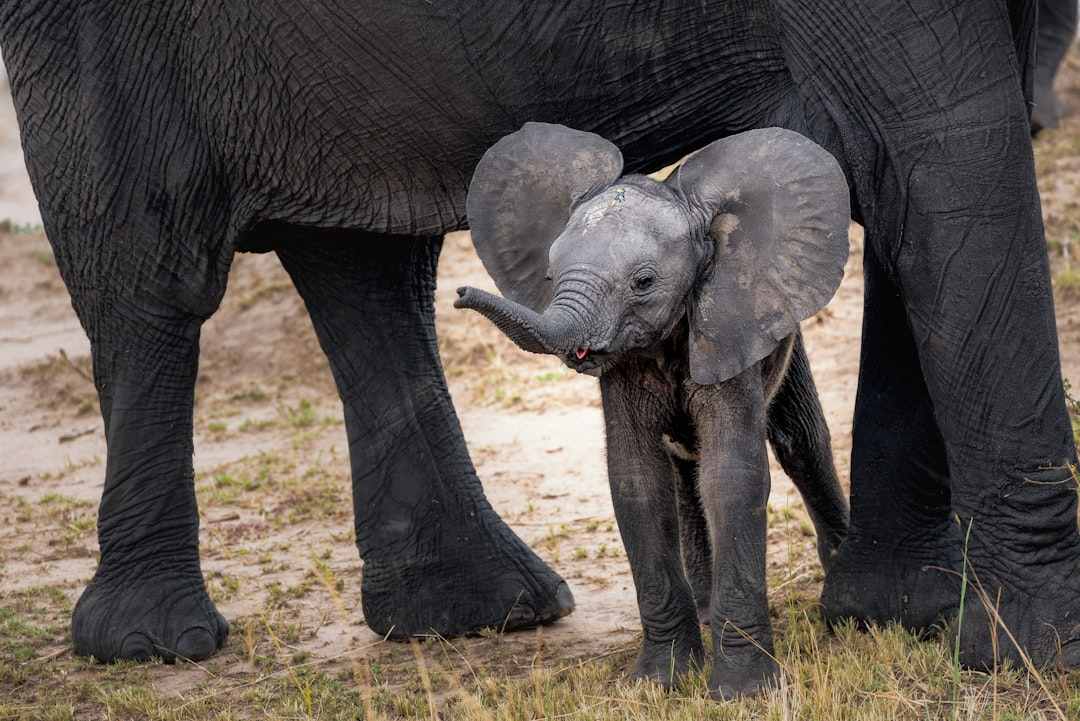
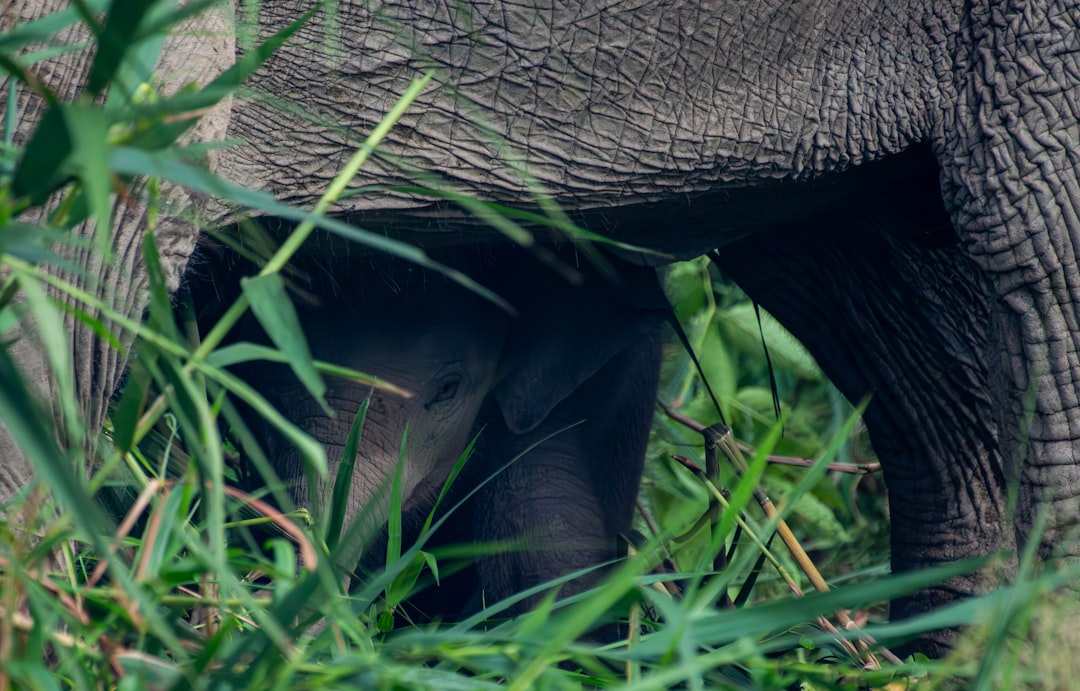
A newborn elephant weighs around 250 lbs and can’t yet control its own trunk — so how does it eat? The answer changes dramatically over its first few years, and it includes one habit that surprises almost everyone: baby elephants eat their mother’s dung, and they have a very good reason to. Here’s exactly what baby elephants eat, from their first drink of milk to their first mouthful of grass.

The short answer: baby elephants live on their mother’s milk for the first couple of years, starting to sample plants around 4–6 months old. Crucially, they also eat fresh dung from their mother and herd — this is how they acquire the gut bacteria needed to digest plants, which they are not born with.

Categories
Diet & Nutrition

Do Elephants Eat Meat?

It’s a fair question — an animal as huge and powerful as an elephant looks like it could eat whatever it wanted. So do elephants ever eat meat? The short, science-backed answer is no: elephants are herbivores through and through, from their teeth to their gut bacteria. But the fuller answer — including a few genuinely strange edge cases — is more interesting than a flat “no.”

The short answer: no, elephants do not eat meat. They are obligate herbivores — their whole body is built to process plants, and they neither hunt nor need animal protein. Rare reports of elephants mouthing bones or ivory are about seeking minerals, not eating flesh.

Categories
Diet & Nutrition

What Do Elephants Eat? Diet, Food & Feeding Habits

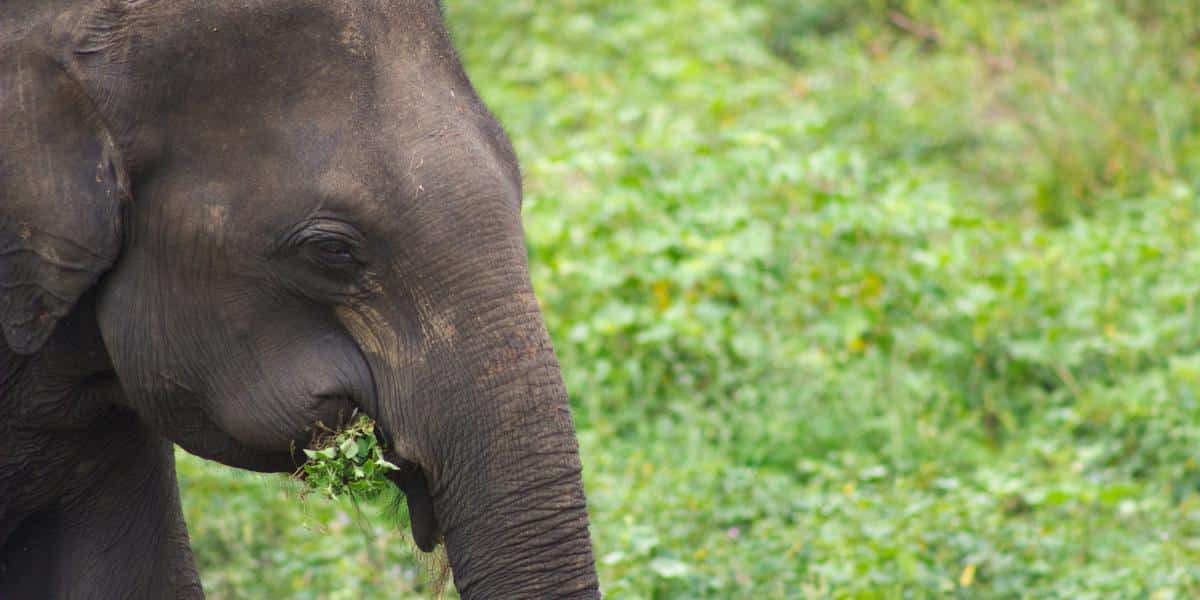
Elephants are the largest land animals on Earth, and feeding a body that big is a full-time job — they spend up to 16–18 hours a day eating and put away 150 to 300 pounds of food. But what exactly is on the menu? Elephants are pure herbivores, and their diet shifts by species, habitat and season. Here’s a complete look at what elephants eat, how much, and how their eating shapes entire ecosystems.

The short answer: elephants are herbivores that eat grasses, leaves, bark, twigs, roots, fruit and shrubs — roughly 150–300 lb (68–136 kg) per day, washed down with 25–50 gallons of water.
Categories
Diet & Nutrition Elephants in the wild Questions & Answers (FAQs)

What are Elephants favorite fruits?

Elephants are one of the most fascinating animals on earth. They are big, strong, and have a very unique appearance. But what do you know about an Elephant’s diet?

In this article, we will explore the different fruits that elephants enjoy eating. We will also look at some of the benefits that these fruits provide for elephants.

So if you want to learn more about what fruits elephants like to eat, keep reading!

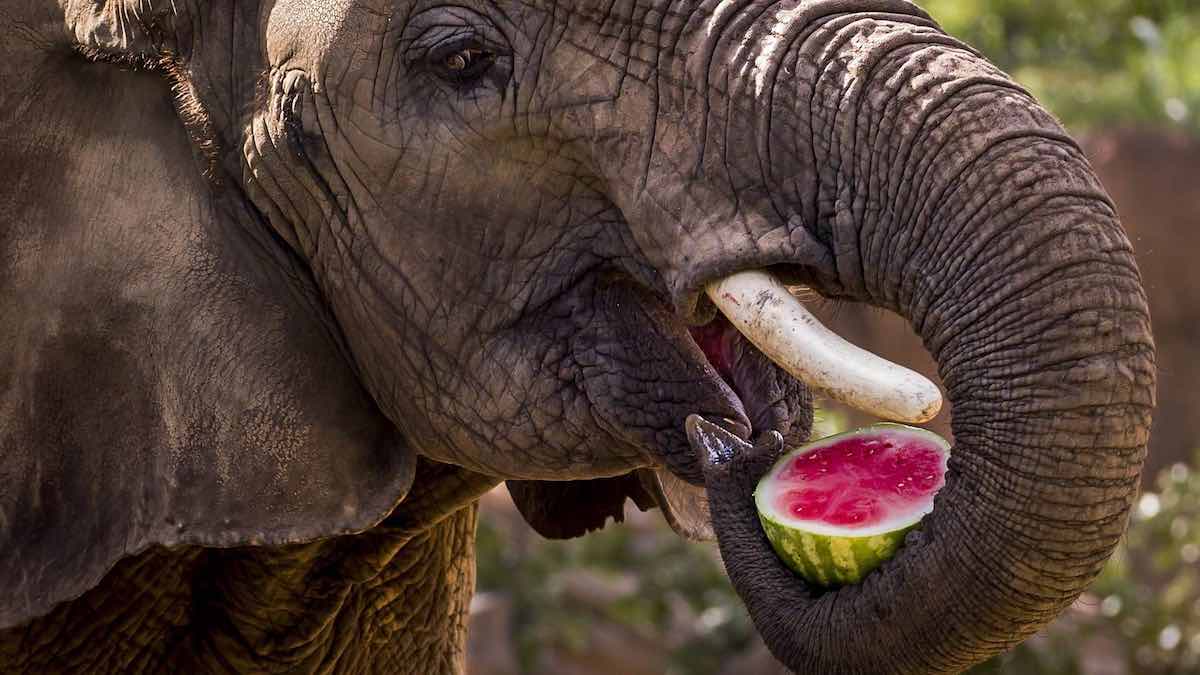
🍌 An elephant’s single favourite fruit? Bananas — followed closely by watermelons and mangoes.

Categories
Diet & Nutrition Elephant behaviors Elephants in the wild

How Do Elephants Get Their Food?

When you think of an elephant, your first thoughts are probably not about how they get their food. Most people probably wouldn’t have any idea how elephants go about feeding themselves on a daily basis. However, this is something that we all should know about. We know that most animals are plant-eaters.

However, it’s surprising to find out that there are so many different types of herbivores with unique methods for getting their food and nutrition.

With so many different species in the animal kingdom, it’s interesting to see where the elephants fit in with regard to where they get their food from.

In this article, we will see how do elephants get their food, what they eat in order to survive, and what are their eating behaviors are.

Categories
Diet & Nutrition Elephants in the wild Questions & Answers (FAQs)

Elephant Poo: Why these facts will ding-dung your mind

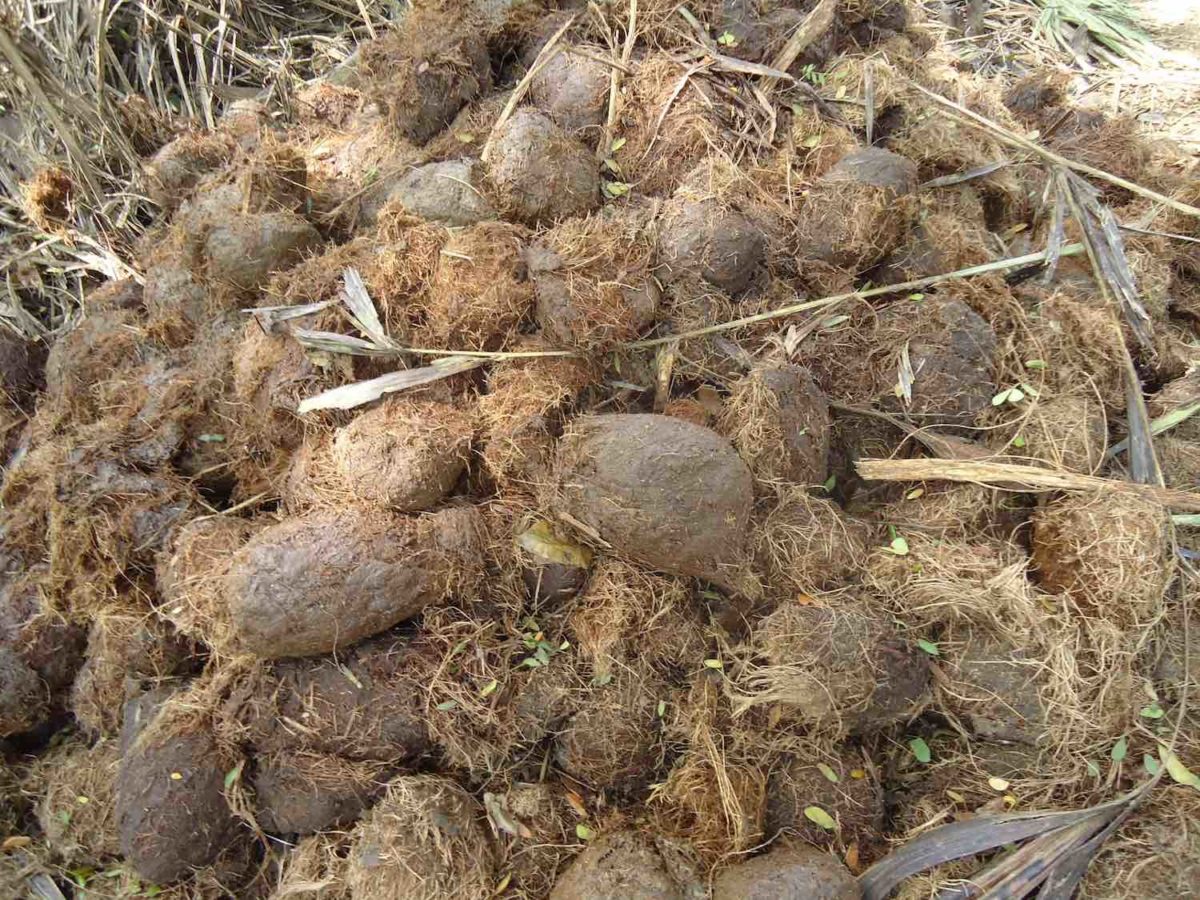
Elephants produce up to 100 kg of dung each day. The average elephant will produce this by taking a poop 8-10 times per day. That’s a lot of poop, and it can tell us a lot about an elephant’s health and diet. Scientists even study elephant poo to learn about the animals’ behavior and social interactions.

Dung beetles also love elephant poo! These little critters can roll a piece of elephant dung up to 20 times their body weight. They use the dung as food and as a place to lay their eggs.

Elephants poo mainly consists of seeds, leaves, fruit, and grass. It also contains a lot of undigested food, which is why dung beetles and other smaller animals are so attracted to it.

Here are some more amazing facts about elephant poo that will ding-dung your mind.

🐘 An elephant produces up to 100 kg of dung per day — enough to fill a large swimming pool in a year.