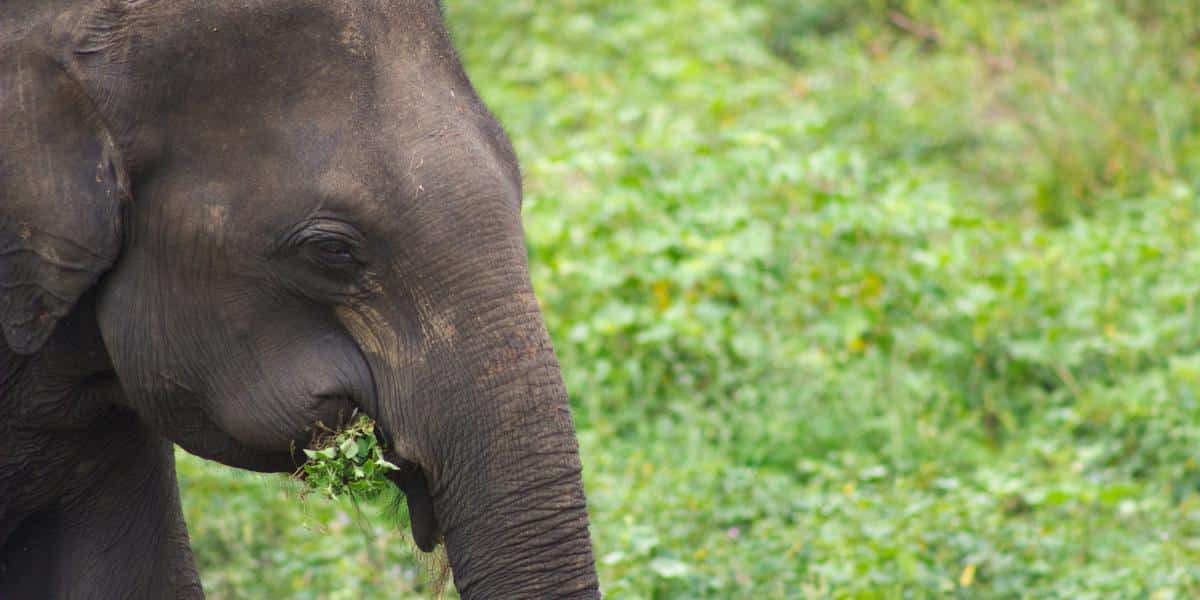
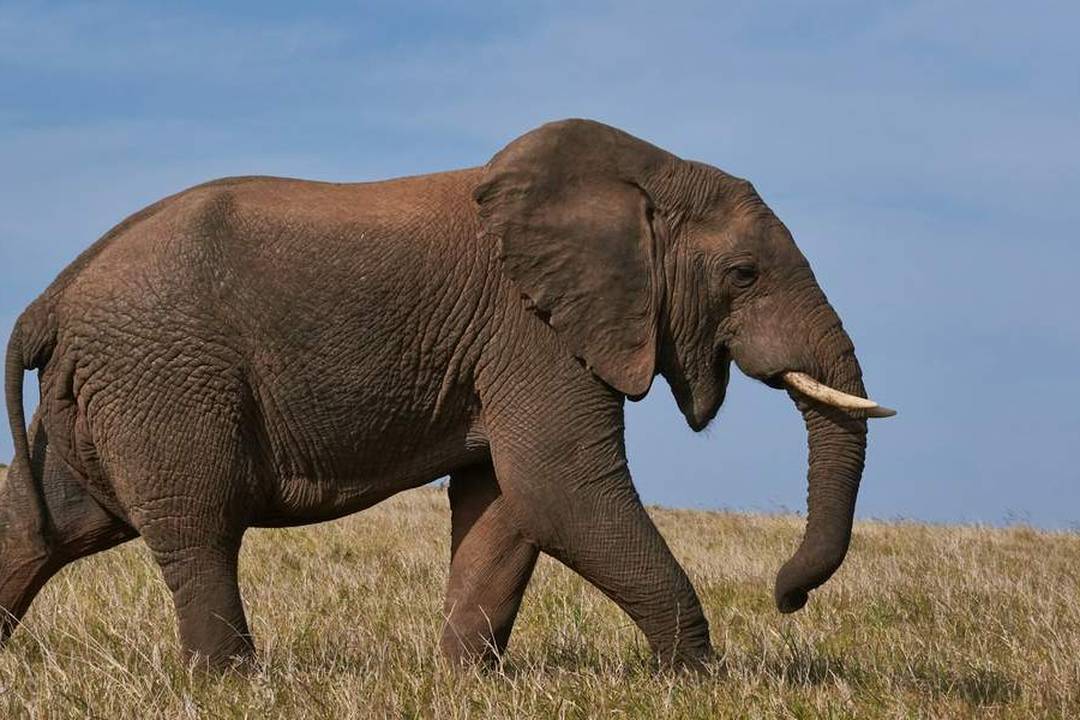
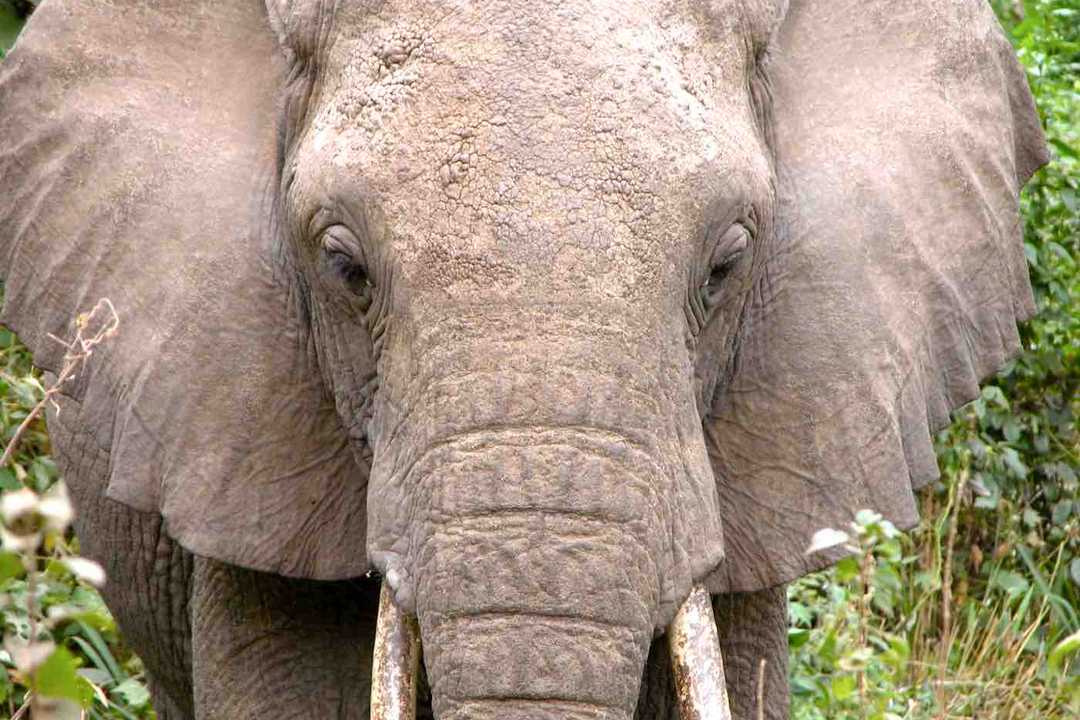
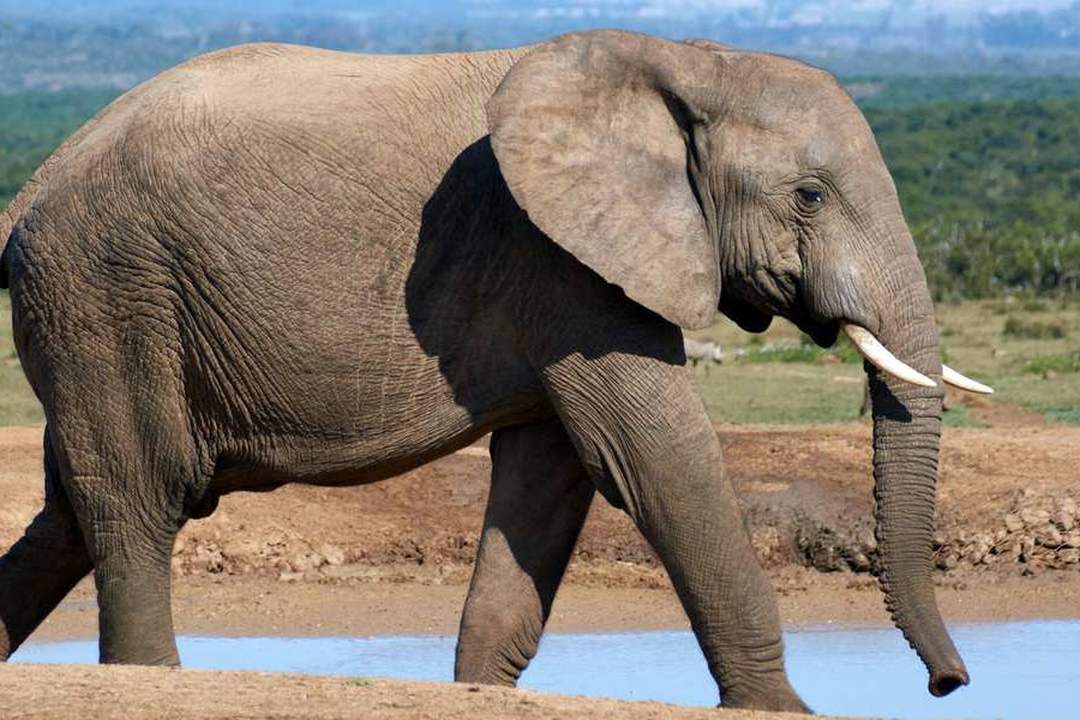
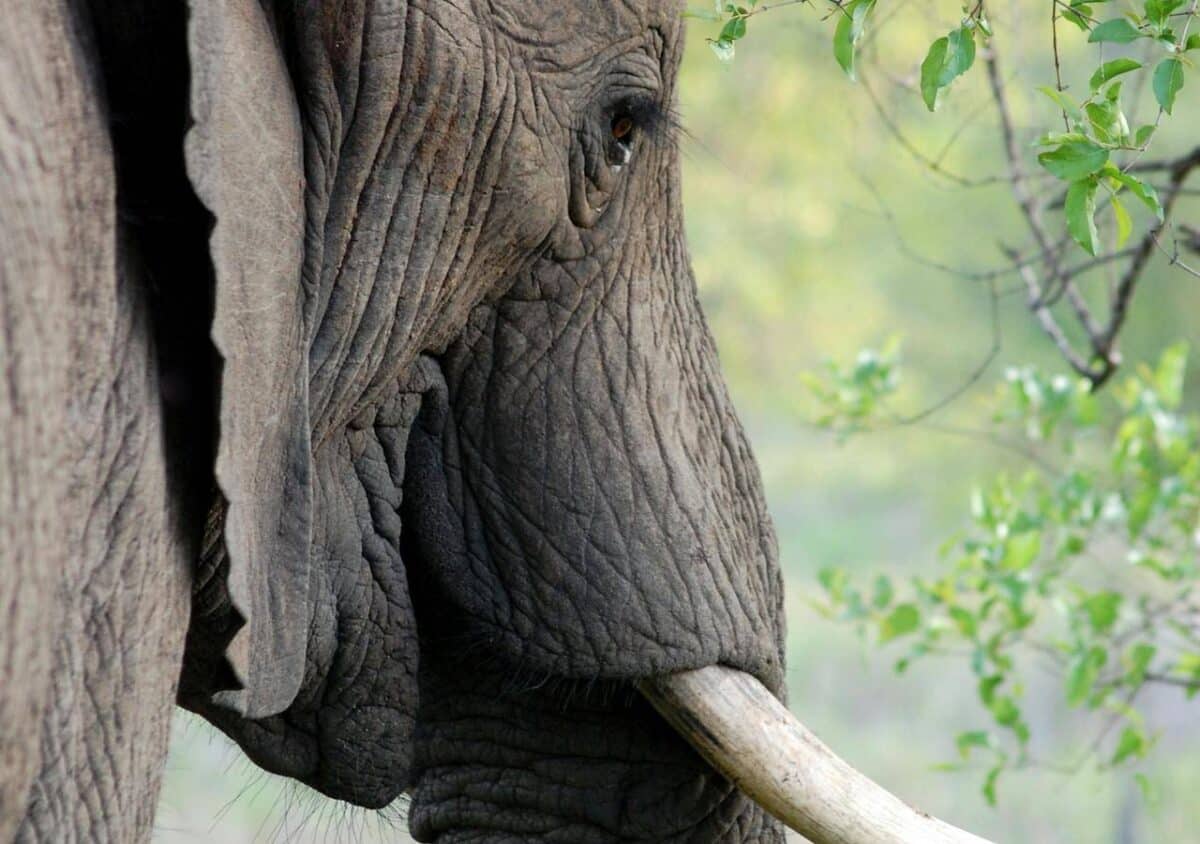
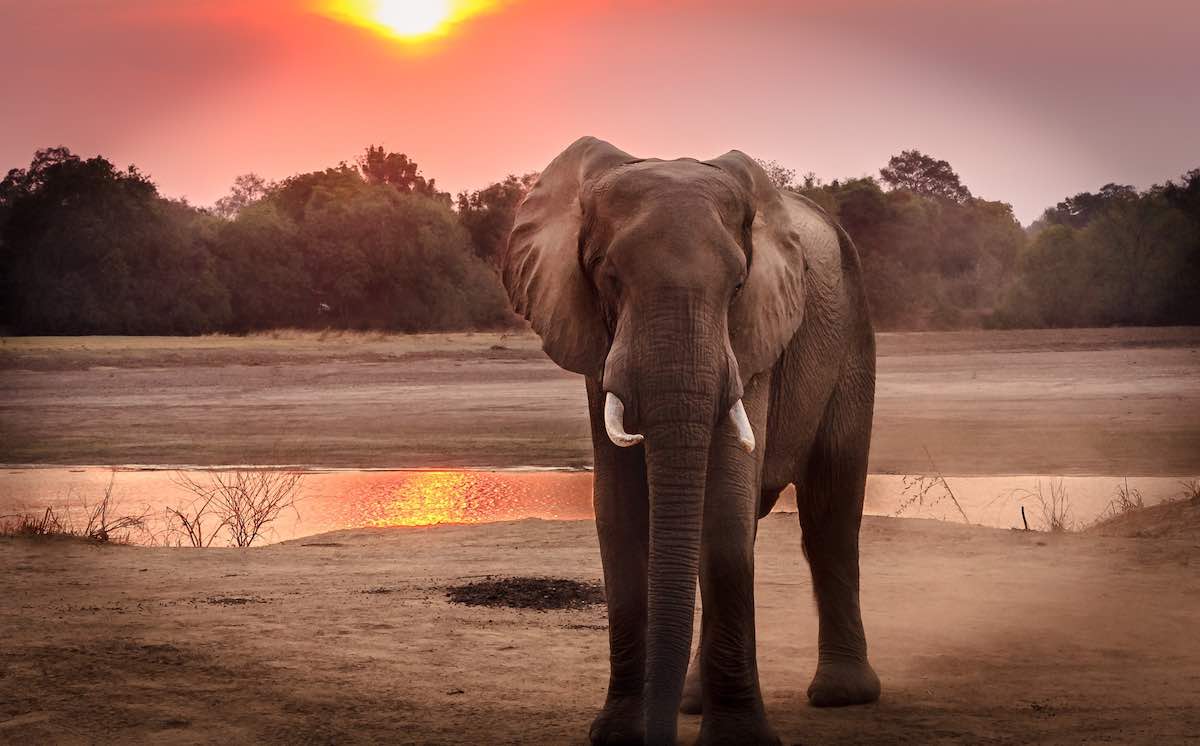
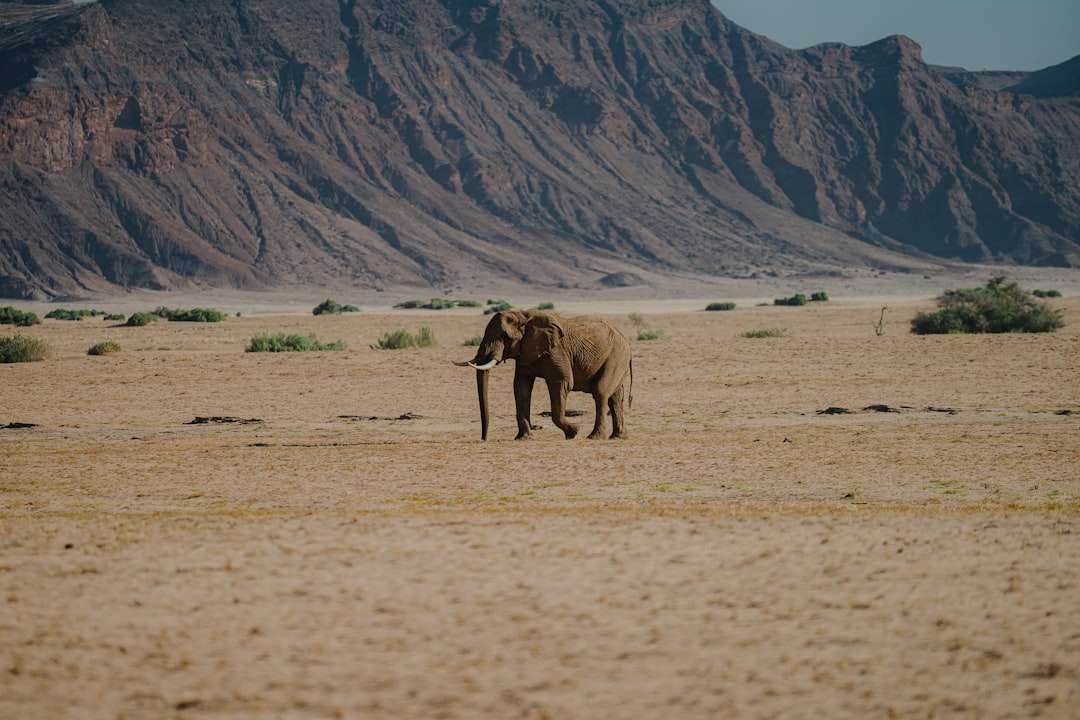
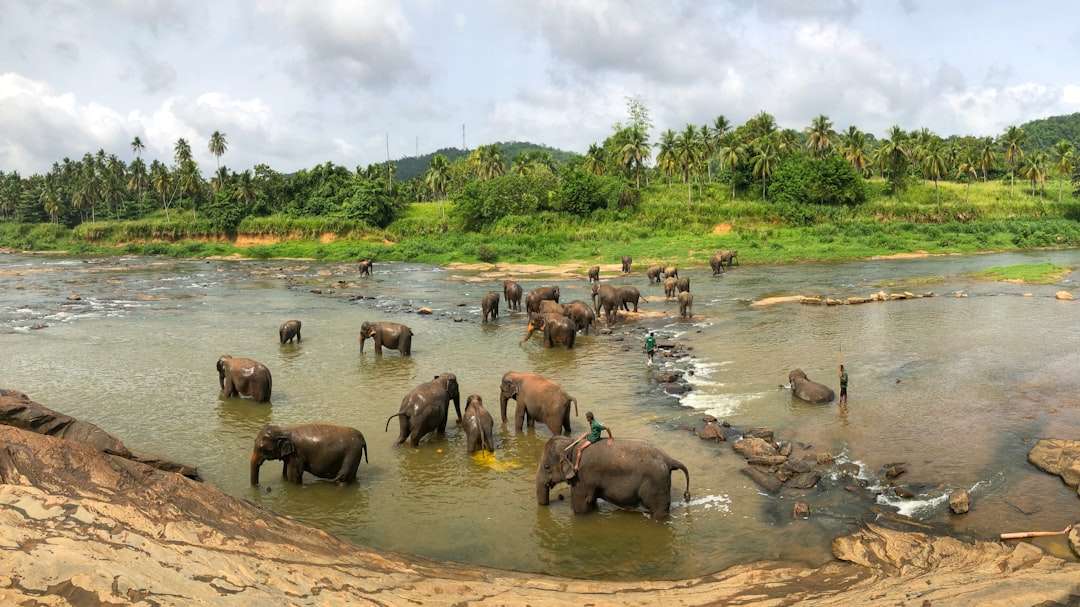
Elephants are best seen in the wild. The best places to see elephants in Africa include: Kenya, Tanzania, Botswana and Uganda.
In Asia, Sri Lanka, India, and Thailand are all outstanding destinations for seeing elephants in their natural habitat.
The elephant is the largest land mammal on the planet. Weighing in at two to six tons, they are taller than most other land mammals and can outrun most predators.
So why do these big animals have such a small tail?
Elephants really are smarter than we believe. There have been multiple studies done over the years on elephants to measure their IQ and cognitive behaviours, all of which have come to the same conclusion – they’re much smarter than we believe.
The results of the studies show that elephants and thereby also wild elephants are capable of thinking, planning and remembering, all at a level not seen in almost any other species.
They also display behaviours that indicate they’re self-aware – something only humans and our closest relatives (chimpanzees, dolphins and others) are known to do. By 2026, elephants are widely recognised by scientists as one of the few non-human animals with complex self-awareness. Read on to find out more!
When it comes to African safaris, the elephant is one of the most popular animals featured. From Kenya to South Africa, elephant sightings are reported by many avid travelers and animal enthusiasts, making Africa an elephant hotspot for elephant safaris. Elephant Safari’s take you deep into the wild where elephants roam freely without fences keeping them within designated areas.
These amazing creatures have been on this earth for millions of years and continue to amaze us with their intelligence and social behaviors. Safari tours that specialize in Elephant viewing have become increasingly popular these days among families, couples, teenagers, groups of friends, individuals who are simply passionate about seeing the beauty of nature up close & personal. This blog post takes a look at some of our favorite destinations across Africa for Elephant safari tours!
Here you’ll find some amazing answers to all your burning questions about this fantastic animal.
Recent studies reveal a catastrophic 90% decline in forest elephant populations since 1990, highlighting the urgent need for species-specific conservation strategies.
For decades, scientists and wildlife enthusiasts viewed African elephants as a single species. However, groundbreaking genetic research has revealed that Africa is home to two distinct elephant species: the African bush elephant (Loxodonta africana) and the African forest elephant (Loxodonta cyclotis). This distinction, officially recognized by the IUCN in 2010, has revolutionized our understanding of elephant evolution, behavior, and conservation needs.
The differences between these two species extend far beyond their habitats. From the massive bush elephants roaming the savannas of East Africa to the smaller, more elusive forest elephants navigating the dense rainforests of Central and West Africa, each species has evolved unique characteristics that reflect millions of years of adaptation to their respective environments.
For wildlife enthusiasts planning African elephant viewing experiences, understanding these species differences is crucial for choosing destinations, timing visits, and appreciating the remarkable diversity within African elephant populations.
The seasonal patterns that govern elephant movements vary dramatically between species, making species-specific knowledge essential for successful wildlife viewing.
Timing is everything when it comes to elephant viewing, and understanding seasonal patterns can transform an ordinary wildlife encounter into an extraordinary experience that creates memories lasting a lifetime. Whether you dream of witnessing massive elephant herds congregating around African waterholes during the dry season or observing gentle giants bathing in Asian rivers during the monsoon months, choosing the right time to visit can dramatically impact the quality and frequency of your elephant sightings.
The seasonal behavior of elephants follows ancient patterns that have evolved over millions of years, driven primarily by the availability of water and food sources throughout different times of the year. During dry seasons, elephants concentrate around permanent water sources, creating spectacular viewing opportunities as hundreds of individuals gather in relatively small areas. Conversely, wet seasons see elephants dispersing across vast landscapes as temporary water sources become available, offering different but equally rewarding viewing experiences in lush, green environments.
This comprehensive seasonal elephant viewing guide covers the optimal times to see elephants across both Africa and Asia, providing detailed insights into the best months for each major destination, weather considerations, and practical planning advice to help you make the most of your elephant viewing adventure. From the iconic elephant populations of Kenya’s Amboseli National Park to the ethical sanctuaries of Thailand, we explore when and where to find the most memorable elephant encounters while maintaining the highest standards of responsible tourism.
Understanding these seasonal patterns not only enhances your chances of incredible wildlife sightings but also ensures you visit during times when elephants exhibit their most natural behaviors, from playful interactions at water sources to dramatic river crossings and complex social dynamics within family herds. By aligning your travel plans with these natural rhythms, you become part of a sustainable tourism model that supports elephant conservation while providing authentic experiences that respect these magnificent creatures and their natural habitats.

Elephant musth – a natural, yet extraordinary phenomenon that showcases nature’s raw intricacy. Musth triggers significant hormonal, physiological, and behavioral changes in adult male elephants, influencing everything from individual temperaments to social hierarchies within herds.
Understanding musth, however, extends beyond mere academic curiosity. It is crucial for managing human-elephant coexistence and driving effective conservation efforts.
As such, demystifying the complexity of musth, debunking common myths, and shedding light on this unique aspect of elephant life forms an essential part of our exploration.
Whether you’re an aspiring conservationist, wildlife enthusiast, or simply intrigued by these magnificent creatures, this exploration offers valuable insights into understanding elephants and their intriguing world.
Elephants, known for their size and strength, also face the challenge of itching and the need for relief. Understanding how elephants alleviate their itchiness is a fascinating subject worth exploring.
Elephants possess a range of physical tools that aid in relieving their itchiness. Elephants may use various methods such as rubbing against trees, rocks, or other rough surfaces to alleviate itching.
Their trunks, with their remarkable dexterity, could also be instrumental in reaching and scratching those hard-to-reach areas.
Additional insight can be gained by observing the social behavior of elephants. It is possible that elephants engage in mutual grooming, where one elephant may use its trunk or tusks to gently scratch another elephant’s itchy spots.
This bonding and supportive behavior within the herd could serve as another effective way to alleviate itching while strengthening social connections among elephants.
Elephant Bathing Habits: A Fascinating Look at Their Hygiene and Social Life
Elephants are known for their intelligence, empathy, and the strong social bonds they form with one another. One fascinating aspect of their lives is the way they keep themselves clean and healthy through unique bathing rituals.
These practices also play a significant role in their overall well-being and social dynamics.
In this article, we explore the various methods elephants use to stay clean, such as submerging in water, spraying water with their trunks, and rubbing themselves with sand or dirt for exfoliation. We also discuss their natural adaptations for cooling down and the importance of cooperation within their communities for maintaining good hygiene.
Join us on this captivating journey into the world of elephant bathing habits, where we uncover the secrets behind their remarkable approach to hygiene and well-being.