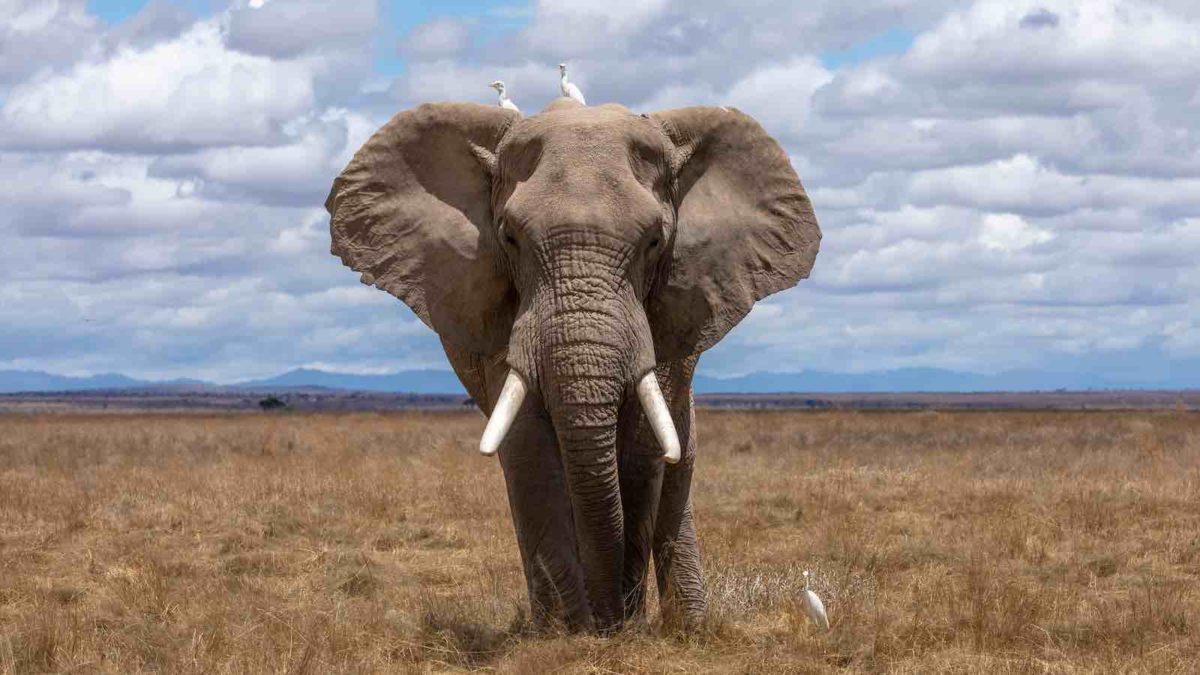
While some African elephant populations are growing primarily in southern Africa, other areas are seeing decreasing populations. A lot of work has been done trying to determine the elephant population in the world, but it’s incredibly difficult to get accurate numbers. Experts can only guess at the total number of African elephants remaining.
One commonly accepted estimate is that there are about 415,000 African elephants remaining (the IUCN’s 2016 status report), and roughly 40,000 to 50,000 Asian elephants left living in the wild.
The IUCN Red List assessed the two African species separately in March 2021. It found that African forest elephants fell by more than 86% over 31 years and African savanna elephants by at least 60% over 50 years. Poaching peaked around 2011 and still threatens both.
The savanna (bush) elephant is now listed as Endangered and the forest elephant as Critically Endangered, and the Asian elephant is Endangered too. Charities such as WWF and many others run various conservation efforts to help stop the killing of these threatened species. The picture is more mixed than those labels suggest, as we explain further down.