Categories
Elephant behaviors

Unveiling the Mystery of Elephant Musth: A Comprehensive Guide

Elephant musth – a natural, yet extraordinary phenomenon that showcases nature’s raw intricacy. Musth triggers significant hormonal, physiological, and behavioral changes in adult male elephants, influencing everything from individual temperaments to social hierarchies within herds.

Understanding musth, however, extends beyond mere academic curiosity. It is crucial for managing human-elephant coexistence and driving effective conservation efforts.

As such, demystifying the complexity of musth, debunking common myths, and shedding light on this unique aspect of elephant life forms an essential part of our exploration.

Whether you’re an aspiring conservationist, wildlife enthusiast, or simply intrigued by these magnificent creatures, this exploration offers valuable insights into understanding elephants and their intriguing world.

Categories
Anatomy Questions & Answers (FAQs)

How Many Bones Does An Elephant Have?

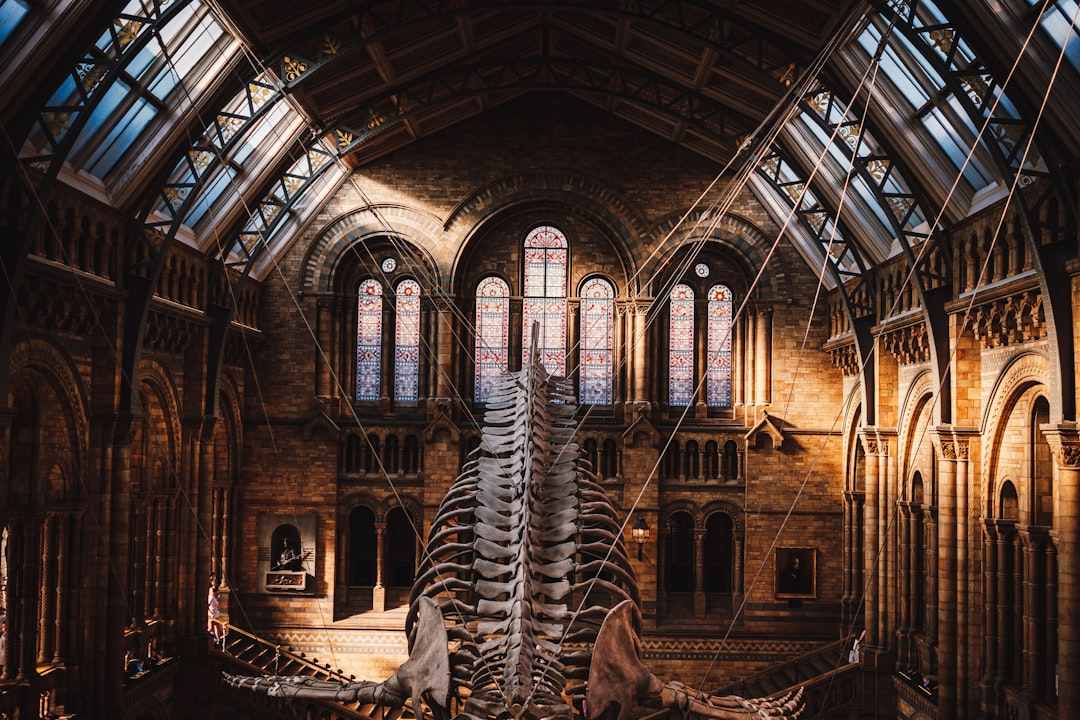
Despite carrying the largest body of any land animal on Earth — up to 14,000 pounds of muscle, fat, and organs — an African elephant does it all on roughly 179 bones. That is fewer than the 206 bones found in an adult human skeleton. Yet those 179 bones support a living creature that can stand over 13 feet at the shoulder and walk dozens of miles in a single day. The engineering behind an elephant’s skeleton is one of the most remarkable achievements in vertebrate evolution.

Categories
Anatomy Questions & Answers (FAQs)

test

The elephant trunk is one of the most extraordinary structures in the animal kingdom — a single organ containing between 40,000 and 150,000 distinct muscle units, yet not a single bone. Capable of uprooting a tree one moment and delicately picking up a coin the next, the trunk is the Swiss Army knife of the natural world. Understanding what it is, how it works, and what it does reveals just how deeply evolution has shaped these animals into something genuinely unlike anything else on Earth.

Categories
Anatomy Elephants in the wild Questions & Answers (FAQs)

Mammoth vs Elephant: Size, Differences & Key Facts

The Proboscidea is the superorder that includes elephants and mammoths, the Elephantidae. There are three families in this order: African Elephants, Asian Elephants, and Mammoths.

Only the elephant family is still around today. So, how big were mammoths compared to elephants?

The woolly mammoth was not as large as people originally thought. In fact, they were only the size of modern African elephants. A male’s shoulder height would range from 9 to 11 feet, weighing approximately 6 tons.

Though many people incorrectly believe otherwise, elephants and mammoths are not closely related–they are distant cousins. Both animals coexisted peacefully with humans for a very long time.

Although male elephants will have the occasional violent outburst over things such as territory and mating rights, they are usually gentle animals.

In this article, we’ll compare and contrast elephants with mammoths – looking at why the former have persisted while the latter have perished.

Categories
Anatomy Elephant behaviors Elephants in the wild Questions & Answers (FAQs)

Baby Elephant Facts: Birth, Growth & Life in the Herd

It’s a question that has puzzled scientists, zookeepers and animal lovers alike: Why is it that humans are so fascinated by the calves of elephants?

The answer may lie in our own biology. Elephants are mammals like us. And we’re drawn to live things, especially animals with babies.

It’s true for other species too; just think about how many people stop their cars on the roads when they see deer fawns cross the street or baby seals playing on a beach.

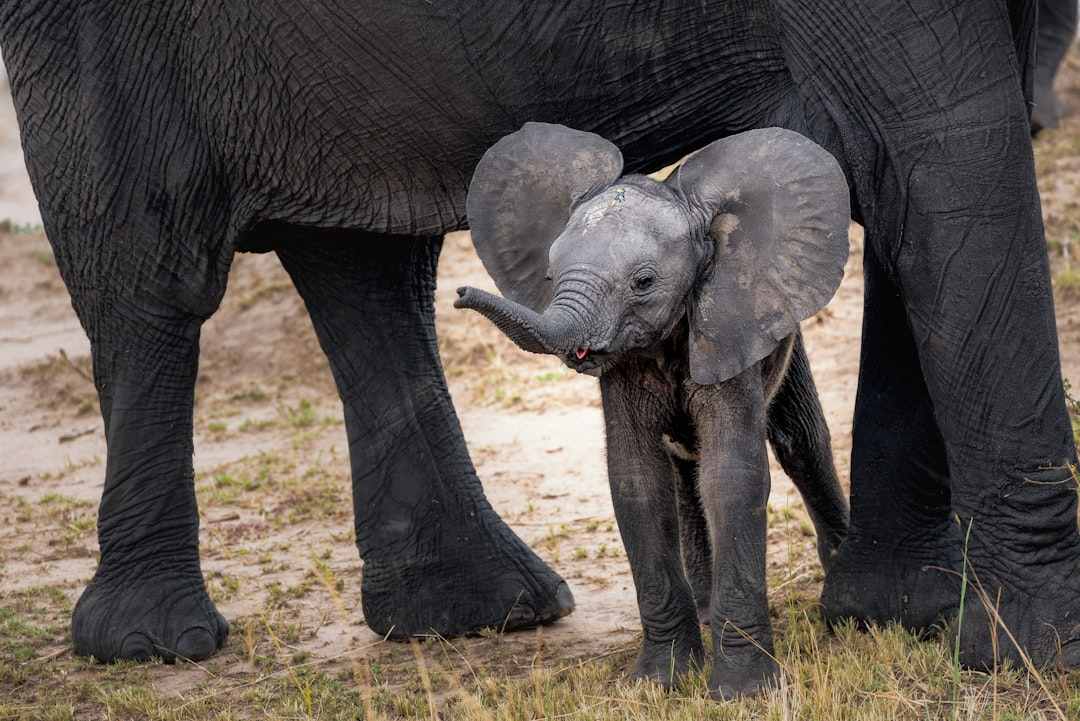
Baby elephants are playful and cute, and they make a lot of noise. They also tend to stay close to their mothers.

One mind-blowing fact about baby elephants is that almost all of them are born at night, most likely because it’s harder for predators to find them.

Categories
Elephant safari Visit elephants

Where is the best place to see elephants?

Elephants are best seen in the wild. The best places to see elephants in Africa include: Kenya, Tanzania, Botswana and Uganda.

In Asia, Sri Lanka, India, and Thailand are all outstanding destinations for seeing elephants in their natural habitat.

Categories
Anatomy Elephants in the wild Questions & Answers (FAQs)

Top 10 Elephant Facts for Kids (for a kids school project)

Did you know that an elephant’s heart can weigh as much as a 10-year-old child? Or that a baby elephant is born weighing more than 200 pounds — and can walk within hours of birth? Elephants are some of the most extraordinary animals on our planet, and the more you learn about them, the more astonishing they become. Whether you are working on a school project, satisfying a burning curiosity, or just love animals, this guide covers the most amazing elephant facts for kids in one place.

Categories
Anatomy Questions & Answers (FAQs)

Why do Elephants have a small tail?

The elephant is the largest land mammal on the planet. Weighing in at two to six tons, they are taller than most other land mammals and can outrun most predators.

So why do these big animals have such a small tail?

Categories
Saving elephants

Everything you need to know about Adopting an Elephant

You can’t take an elephant home — but you can fund its survival. Symbolic elephant adoption programs allow anyone to support a named, real elephant living in the wild or in a rehabilitation center, receiving regular photo updates and reports as the animal grows and thrives. It’s one of the most direct, transparent ways to put money into elephant conservation, and it has become one of the most popular wildlife giving formats in the world. This guide explains exactly how it works, which programs are worth trusting, and how much it costs.

Categories
Elephant behaviors

Elephants proving they’re smart and we can’t ignore it

Elephants really are smarter than we believe. There have been multiple studies done over the years on elephants to measure their IQ and cognitive behaviours, all of which have come to the same conclusion – they’re much smarter than we believe.

The results of the studies show that elephants and thereby also wild elephants are capable of thinking, planning and remembering, all at a level not seen in almost any other species.

They also display behaviours that indicate they’re self-aware – something only humans and our closest relatives (chimpanzees, dolphins and others) are known to do. By 2026, elephants are widely recognised by scientists as one of the few non-human animals with complex self-awareness. Read on to find out more!