
Categories
Conservation efforts

Do Elephants Migrate? Movement, Routes & Home Ranges

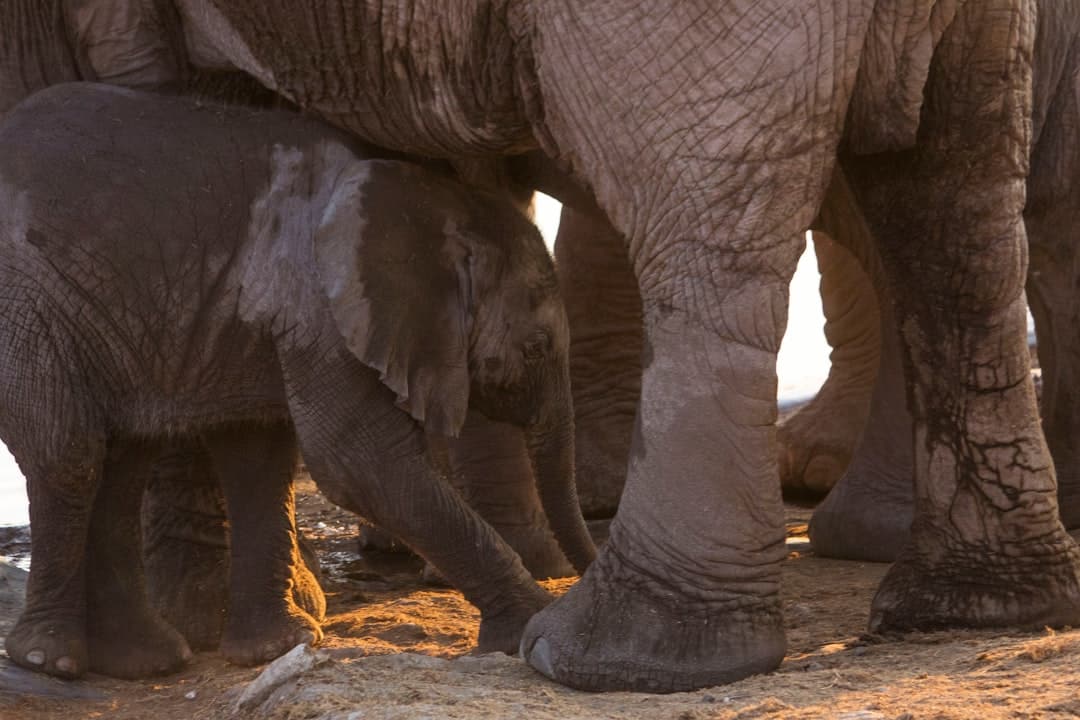
Unlike birds that vanish south every October or wildebeest that circle the Serengeti on a near-clockwork schedule, elephants don’t follow a predictable seasonal migration. But don’t let that fool you — elephants move. A lot. Across thousands of square miles, guided by ancient knowledge passed through generations, driven by the most fundamental forces in nature: water, food, and survival.

The short answer: Elephants don’t “migrate” in the traditional seasonal sense, but they are nomadic animals that may travel 50–100 miles in a single day during dry seasons, following ancient routes across landscapes that can span thousands of square miles.

Categories
Elephant behaviors

How Do Elephants Communicate? Sounds, Infrasound & Body Language

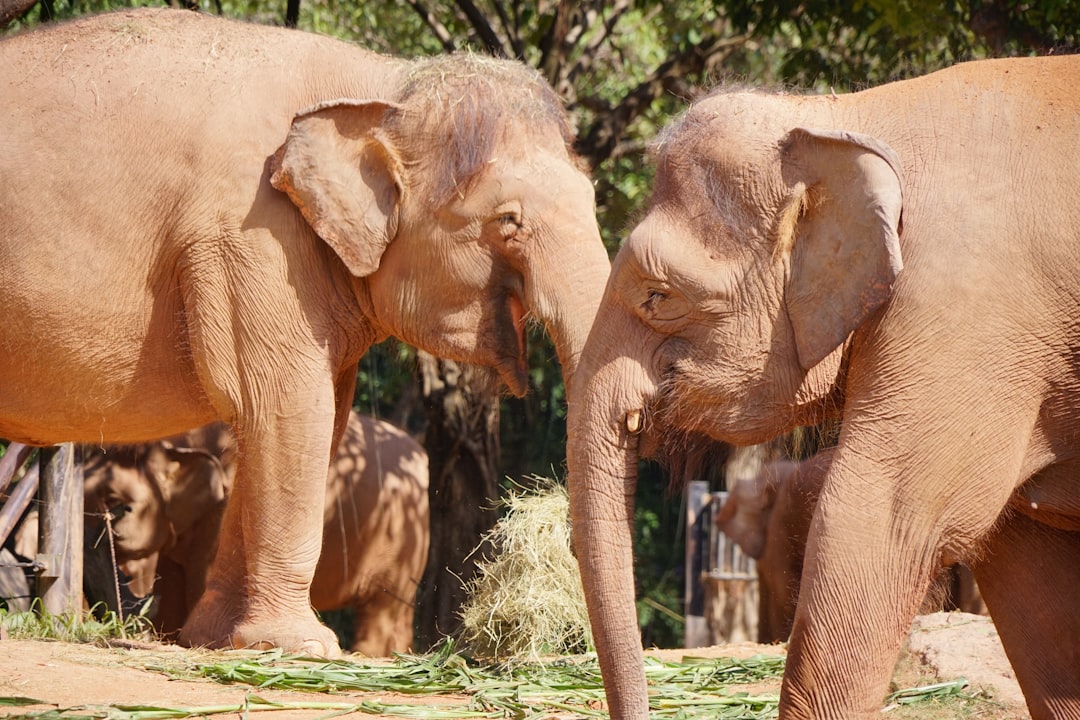
Right now, somewhere on the African savanna, an elephant is having a conversation you will never hear. Her rumble drops below 20 Hz — below the floor of human hearing — and rolls outward across six miles of open grassland to reach her sister’s herd. The reply comes back minutes later, equally invisible to us, and the two families begin moving toward each other. We stand among them seeing nothing, hearing nothing, missing almost everything. Elephants communicate in a world that largely exists beneath our senses, and the more scientists look, the richer that world turns out to be.

Key fact: Elephants communicate through at least four distinct channels — vocalizations, infrasound, body language, and seismic vibrations felt through the ground. Some of their calls travel over 6 miles and can only be heard by other elephants.

Categories
Questions & Answers (FAQs)

How Much Does a Baby Elephant Weigh?

A newborn elephant weighs between 200 and 320 pounds (90–145 kg) at birth — making elephant calves among the heaviest land-mammal newborns on Earth. That weight is not accidental. It is the direct result of a 22-month pregnancy, the longest of any land mammal, during which the calf develops to a level of physical maturity that allows it to walk, nurse, and keep pace with the herd within hours of being born.

The short answer: A newborn elephant typically weighs between 200–320 lbs (90–145 kg) — roughly the size of a large adult human multiplied by 1.5. African bush elephant calves are the largest at birth; Asian elephants are slightly smaller.

Categories
Elephant behaviors

The Elephant Life Cycle: From Birth to Old Age

Elephants live among the longest lives of any land mammal, with wild individuals regularly reaching 60 to 70 years of age. That lifespan is not simply a number — it is a journey through five richly distinct life stages, each shaped by one of the most complex social structures in the animal kingdom. From the moment a calf takes its first unsteady steps, surrounded by a herd of protective aunts and cousins, to the final years when a matriarch’s accumulated wisdom guides her family across vast, drought-stricken landscapes, the elephant life cycle is a masterclass in slow, deliberate, deeply social development.

At a glance: Elephants live 60–70 years in the wild, passing through five major life stages: infancy, childhood, adolescence, adulthood, and old age. Their reproductive and social development mirrors many aspects of human aging.

Categories
Elephant behaviors

How Smart Are Elephants?

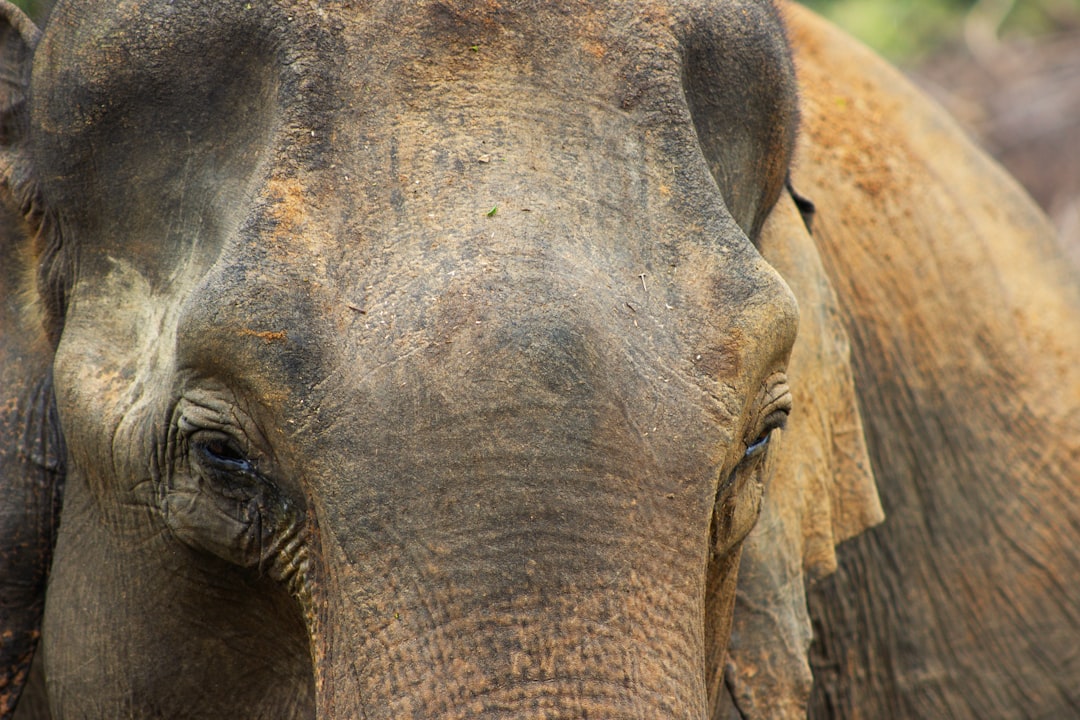
Elephants have long captivated scientists and wildlife observers alike — not just for their size, but for the uncanny depth of intelligence that seems to shine behind those ancient, amber eyes. The more researchers study them, the more they find cognitive abilities that place elephants firmly among the planet’s elite thinkers, a club that includes chimpanzees, dolphins, and humans themselves.

The short answer: Elephants rank among the top five most intelligent animals on Earth, demonstrating self-awareness, complex problem-solving, long-term memory spanning decades, and rich emotional lives that rival those of our closest primate relatives. Their massive, highly convoluted brains — the largest of any land mammal — are the physical foundation for cognitive feats that continue to surprise even seasoned researchers.