
Categories
Elephant behaviors

How Do Elephants Communicate? Sounds, Infrasound & Body Language

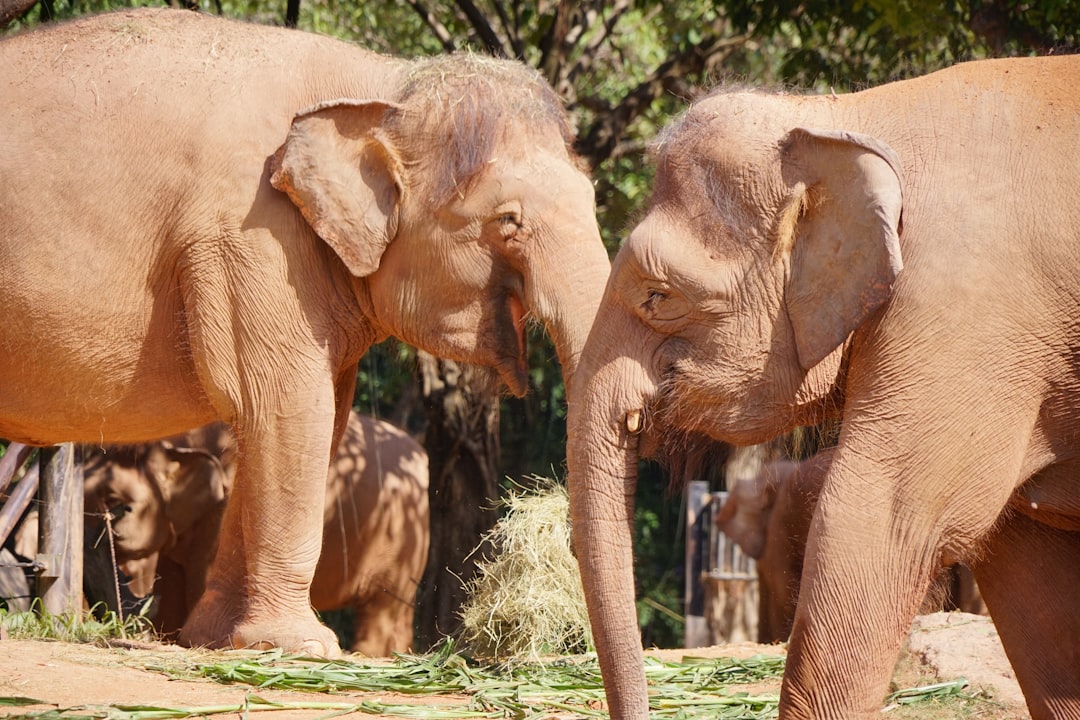
Right now, somewhere on the African savanna, an elephant is having a conversation you will never hear. Her rumble drops below 20 Hz — below the floor of human hearing — and rolls outward across six miles of open grassland to reach her sister’s herd. The reply comes back minutes later, equally invisible to us, and the two families begin moving toward each other. We stand among them seeing nothing, hearing nothing, missing almost everything. Elephants communicate in a world that largely exists beneath our senses, and the more scientists look, the richer that world turns out to be.

Key fact: Elephants communicate through at least four distinct channels — vocalizations, infrasound, body language, and seismic vibrations felt through the ground. Some of their calls travel over 6 miles and can only be heard by other elephants.
Categories
Elephant behaviors

How Smart Are Elephants?

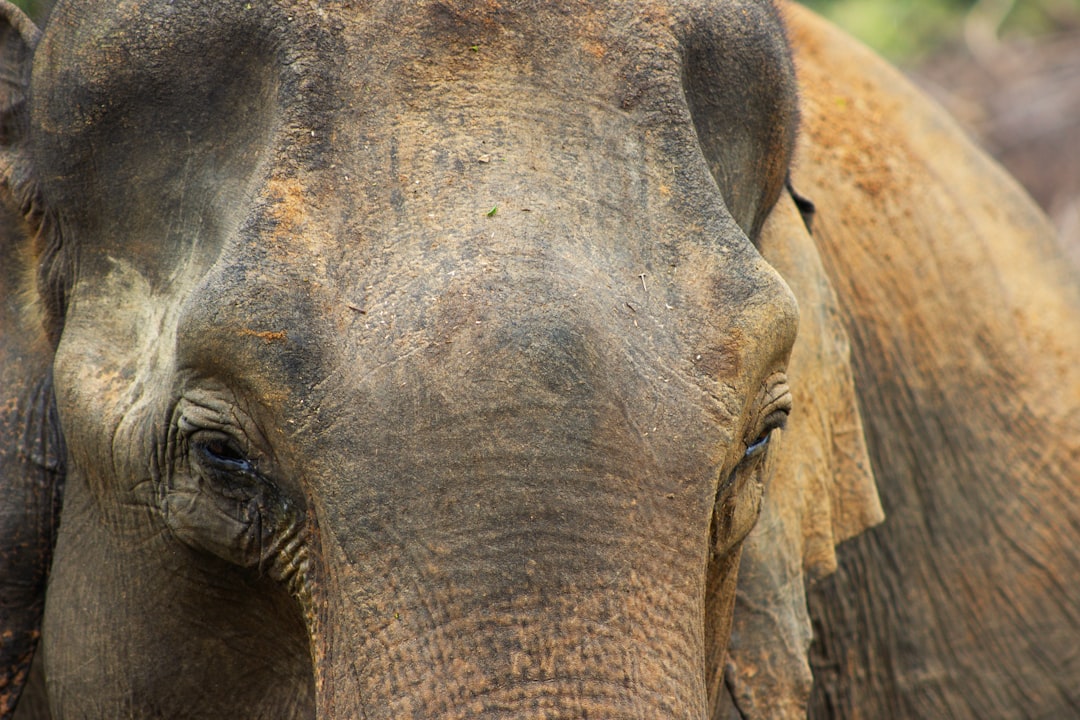
Elephants have long captivated scientists and wildlife observers alike — not just for their size, but for the uncanny depth of intelligence that seems to shine behind those ancient, amber eyes. The more researchers study them, the more they find cognitive abilities that place elephants firmly among the planet’s elite thinkers, a club that includes chimpanzees, dolphins, and humans themselves.

The short answer: Elephants rank among the top five most intelligent animals on Earth, demonstrating self-awareness, complex problem-solving, long-term memory spanning decades, and rich emotional lives that rival those of our closest primate relatives. Their massive, highly convoluted brains — the largest of any land mammal — are the physical foundation for cognitive feats that continue to surprise even seasoned researchers.

Categories
Elephant behaviors

Do Elephants Cry? What Science Says About Elephant Tears and Emotion

Few wildlife moments are more affecting than watching an elephant stand motionless over its dead calf, trunk resting on the still body, remaining there for hours as the rest of the herd moves slowly around it. We recognise something in that stillness. We call it grief. But does the animal itself cry — do actual tears run down that great grey face? The answer is more layered, and ultimately more fascinating, than a simple yes or no.

The short answer: Elephants have lacrimal (tear) glands and do produce visible eye secretions — but the scientific evidence that these tears are triggered by emotion is not yet confirmed. What is overwhelmingly documented is that elephants grieve, empathise, and experience joy in ways that are deeply compelling. The dark fluid often photographed running down an elephant’s face is not from the tear duct at all — it comes from a completely different organ called the temporal gland. The behavioral evidence for elephant emotion is far more convincing than any tear.

Categories
Elephant behaviors

Do Elephants Really Never Forget? The Truth About Elephant Memory

“An elephant never forgets.” It’s one of the most famous sayings about any animal — and unlike the myth that elephants are afraid of mice, this one is largely true. Elephants have some of the best long-term memories in the animal kingdom, and that memory is no party trick: it can mean the difference between life and death for the whole herd.

The short answer: yes — elephants have exceptional long-term memory. Matriarchs remember water sources, migration routes and individual elephants for decades, and that recall has been shown to help herds survive droughts.