Categories
Questions & Answers (FAQs)

How Much Does a Baby Elephant Weigh?

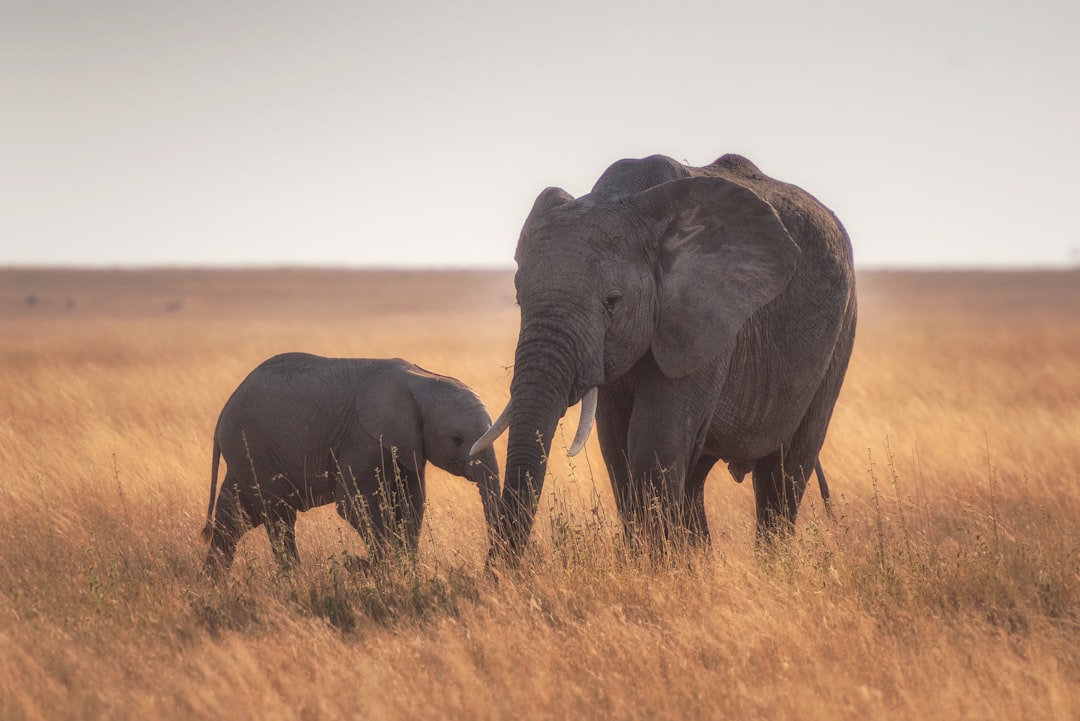
A newborn elephant weighs between 200 and 320 pounds (90–145 kg) at birth — making elephant calves among the heaviest land-mammal newborns on Earth. That weight is not accidental. It is the direct result of a 22-month pregnancy, the longest of any land mammal, during which the calf develops to a level of physical maturity that allows it to walk, nurse, and keep pace with the herd within hours of being born.

The short answer: A newborn elephant typically weighs between 200–320 lbs (90–145 kg) — roughly the size of a large adult human multiplied by 1.5. African bush elephant calves are the largest at birth; Asian elephants are slightly smaller.

Categories
Anatomy

Do Elephants Have Knees? The Surprising Truth About Elephant Leg Anatomy

Ask most people how many knees an elephant has and they’ll say four. Ask a zoologist, and you’ll get a more complicated answer. The popular “four knees” fun fact that circulates endlessly on social media is one of those irresistible pieces of trivia that sounds authoritative — and is almost entirely wrong. Elephants do have knees, but understanding exactly where they are, and what that large forward-bending joint in the front leg actually is, requires a closer look at the remarkable anatomy that lets these animals carry up to 7,000 kilograms on four pillar-like limbs.

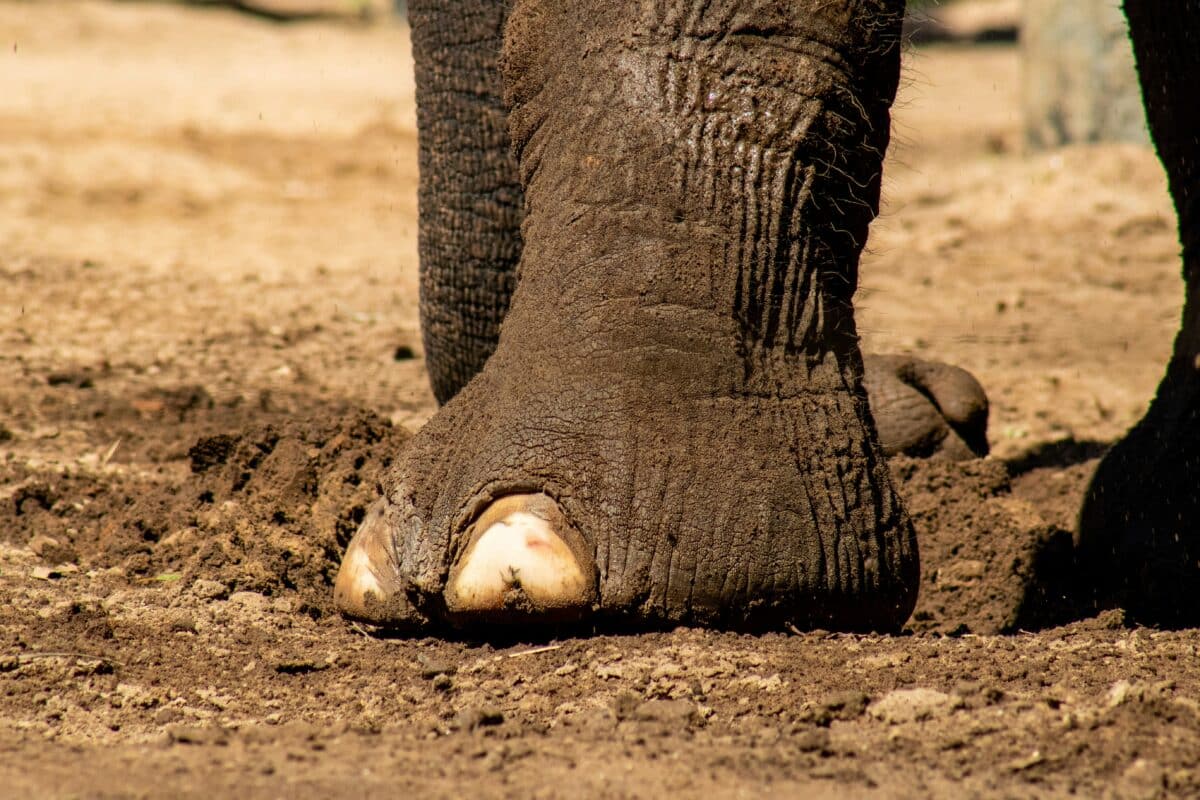
The short answer: Elephants have two true knees — one in each hind leg. The large forward-bending joints visible in their front legs are not knees at all; they are the carpus, the anatomical equivalent of a human wrist. The “four knees” claim is a myth. All four-legged mammals share the same basic limb configuration: true knees (stifle joints) only in the back legs, wrist-equivalent joints in the front.

Categories
Anatomy

Do Elephants Have Hair? The Surprising Truth About Elephant Fur

Look closely at an elephant’s chin the next time you visit a zoo or encounter one on safari. You’ll see them: wiry, dark, bristle-like hairs jutting out against the wrinkled grey skin. Elephants — those enormous, seemingly hairless giants of the animal kingdom — do indeed have hair. It’s just not quite what you’d expect. This is the full story of elephant anatomy‘s most overlooked feature.

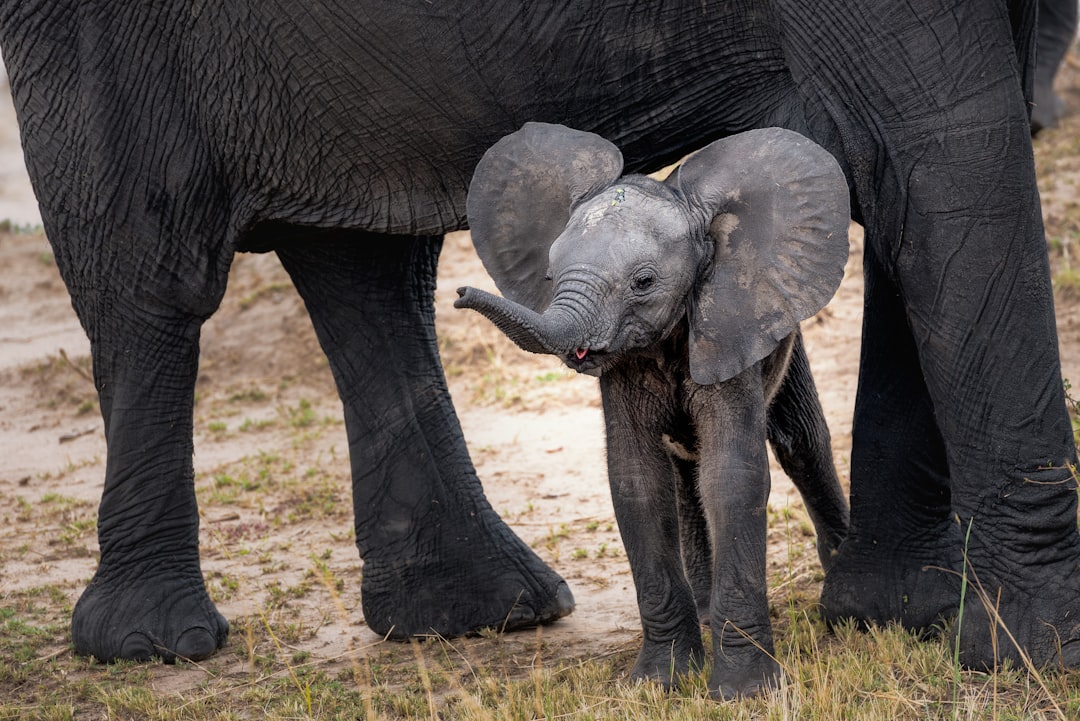
The short answer: Yes — elephants do have hair. As mammals, all elephants possess hair by definition. Adult elephants have sparse, wiry bristles scattered across their body — most visible on the chin, top of the head, eyelashes, and tail tip. Newborn calves are noticeably fuzzier, covered in a fine reddish-brown down that thins as they mature. The sparseness is an evolutionary adaptation to avoid overheating in tropical climates.

Categories
Anatomy

Elephant Teeth: How Many Sets Do They Get — and What Happens When the Last One Wears Out?

Most animals die from disease, predation, or injury. Elephants are different. The leading cause of death for old elephants in the wild is something far quieter and more inevitable: their teeth wear out. When the last of their six sets of molars finally grinds down to nothing, elephants can no longer chew the tough grasses and bark that sustain them. They drift toward swamps and rivers in search of softer food, growing steadily weaker, until they die. Understanding elephant teeth means understanding elephant life — and elephant death. Explore elephant anatomy and you quickly find that no single biological system shapes an elephant’s fate more completely than its dental architecture.

The short answer: Elephants have six sets of cheek teeth (molars) over a lifetime, replaced not vertically like human teeth but horizontally — each new molar pushes forward from the back of the jaw like a slow-moving conveyor belt. Tusks are separate: they are modified upper incisor teeth that grow continuously. When the sixth and final molar wears out, typically around age 60–70, the elephant can no longer sustain itself and dies. Elephant lifespan is, in the most literal sense, determined by dental wear.

Categories
Anatomy

Elephant Skin: How Thick Is It, Why Is It Wrinkled, and What Makes It Unique?

Touch an elephant and you’ll immediately sense the contradiction: skin tough enough to resist acacia thorns yet so sensitive it can feel a single fly land on its back. Elephant skin is one of the most remarkable biological structures in the animal kingdom — a multi-functional organ that simultaneously provides armour, thermoregulation, parasite defence, and sensory acuity. For an animal that can weigh up to seven tonnes and live in some of the harshest environments on Earth, that skin has to work extraordinarily hard. This guide explores everything science knows about elephant skin: how thick it is, why it is so deeply wrinkled, what colour it really is, how elephants protect it, and why — despite appearances — it may be the most sensitive skin of any land mammal. For a broader look at elephant biology, see our elephant anatomy guide.

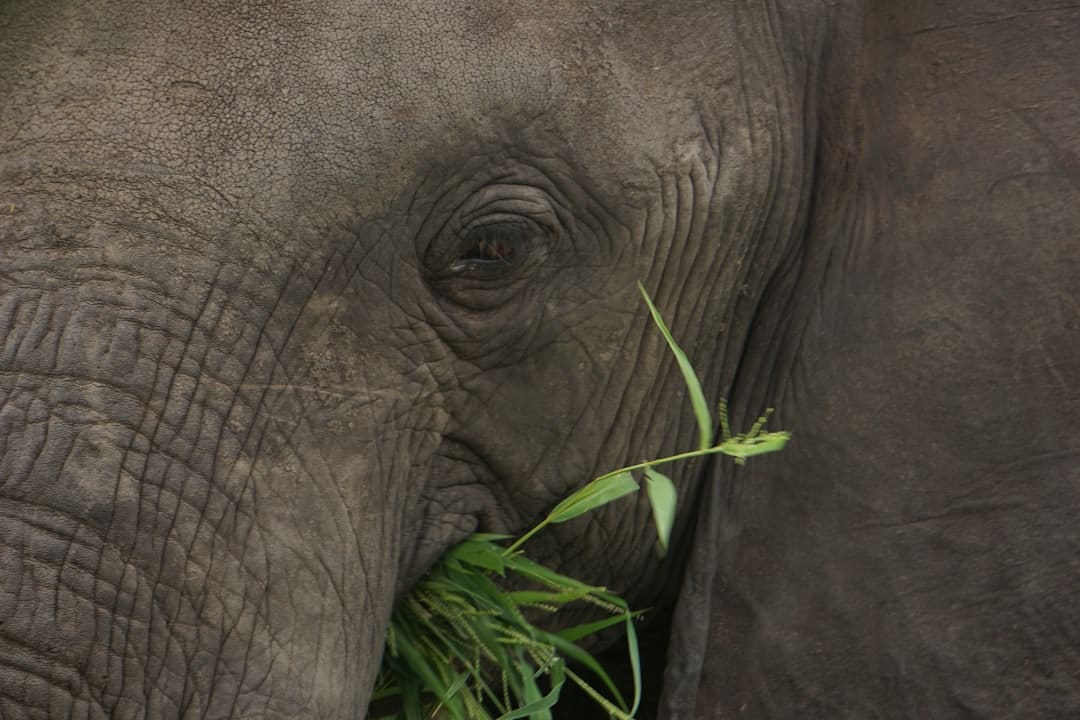
The short answer: Elephant skin ranges from 0.75 to 1.5 inches (2–4 cm) thick on the back and neck, making it among the thickest skin of any land animal — yet it is extraordinarily sensitive, lacks functional sweat glands, contains no oil glands, and relies on deep wrinkles to trap moisture for cooling. Those wrinkles are present from birth and can increase effective surface area by up to ten times compared with smooth skin.
Categories
Anatomy

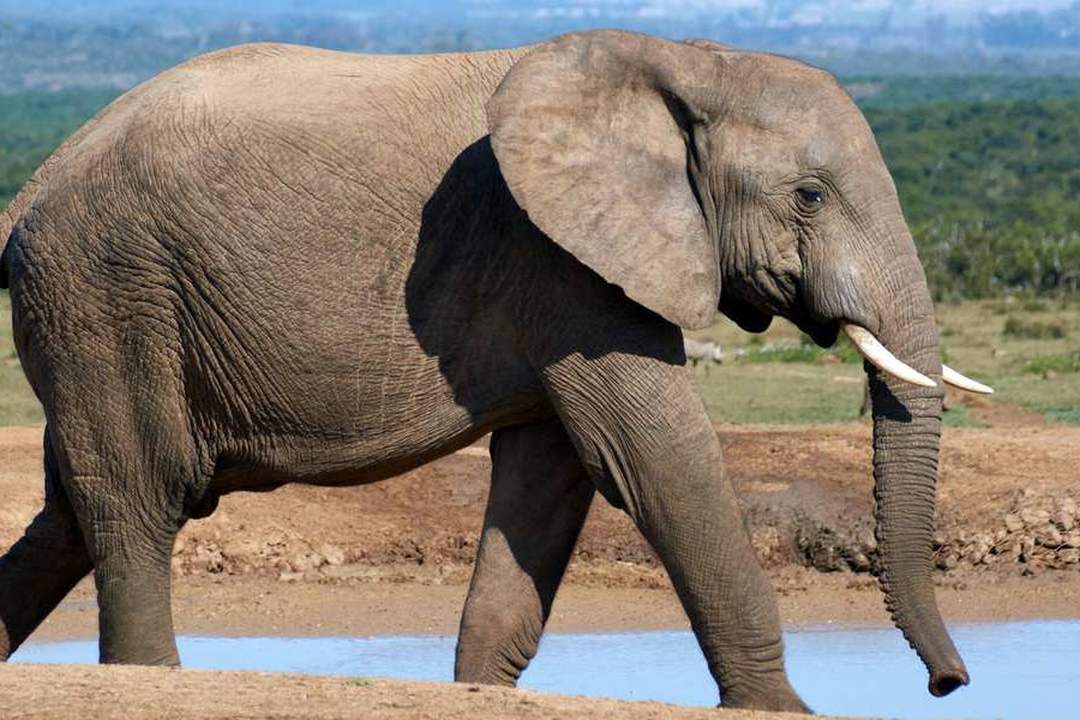
How Much Does an Elephant Weigh? Size & Weight by Species

Elephants are the largest land animals on Earth — and the biggest of them all, the African bush elephant, can tip the scales at six tons or more. But weight varies a lot by species and sex, and the record-holders are heavier still. Here’s exactly how much an elephant weighs, how tall they stand, and the story of the biggest elephant ever recorded.

The short answer: an African bush elephant weighs about 6 tons (13,000 lb) for an adult male and ~3 tons for a female. Asian elephants average 4–5 tons, and the smaller African forest elephant 2–4 tons.