Categories
Elephant behaviors Questions & Answers (FAQs)

Why Do Elephants Charge?

Have you ever been on a safari or witnessed an elephant charge? While it may seem like a rare occurrence, it’s more common than you think.

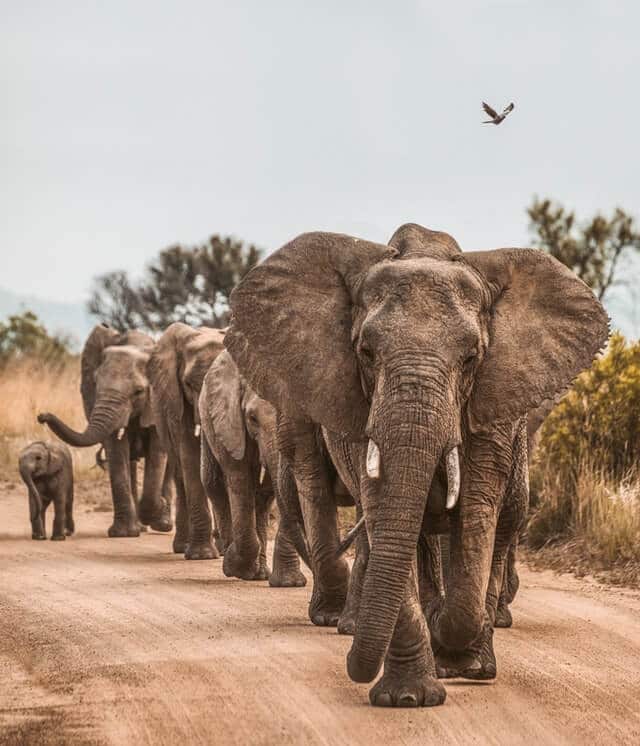
Elephants, despite not being naturally aggressive creatures, can be provoked to charge when they feel threatened or in danger. This could be due to loud noises, unfamiliar smells, or simply being startled.

But why do elephants charge? While it can be difficult to understand the complexities of elephant behavior, there are a few theories as to why they might charge. Some male elephants might use mock charges as an opportunity to demonstrate their strength and power.

In this article, we’ll delve deeper into the reasons behind elephant charges, and explore ways to avoid such a situation if you find yourself on a savanna. We’ll also look at the measures that can be taken to prevent charging incidents from happening in the first place.

Whether you’re a seasoned safari-goer or simply curious about elephant behavior, this article is for you.

Categories
Diet & Nutrition Elephants in the wild Questions & Answers (FAQs)

Elephant Poo: Why these facts will ding-dung your mind

Elephants produce up to 100 kg of dung each day. The average elephant will produce this by taking a poop 8-10 times per day. That’s a lot of poop, and it can tell us a lot about an elephant’s health and diet. Scientists even study elephant poo to learn about the animals’ behavior and social interactions.

Dung beetles also love elephant poo! These little critters can roll a piece of elephant dung up to 20 times their body weight. They use the dung as food and as a place to lay their eggs.

Elephants poo mainly consists of seeds, leaves, fruit, and grass. It also contains a lot of undigested food, which is why dung beetles and other smaller animals are so attracted to it.

Here are some more amazing facts about elephant poo that will ding-dung your mind.

🐘 An elephant produces up to 100 kg of dung per day — enough to fill a large swimming pool in a year.

Categories
Elephant behaviors Elephants in the wild Questions & Answers (FAQs)

How Do Elephants Sleep?

Elephants sleeping habits are incredibly fascinating. First, elephants usually only sleep for about two hours a day. But they don’t sleep all at once like we do. Instead, they take short naps throughout the day and night.

Second, elephants don’t sleep lying down 100% of the time like we do. Instead, they often stand up or lie on their side.

Categories
Anatomy Questions & Answers (FAQs)

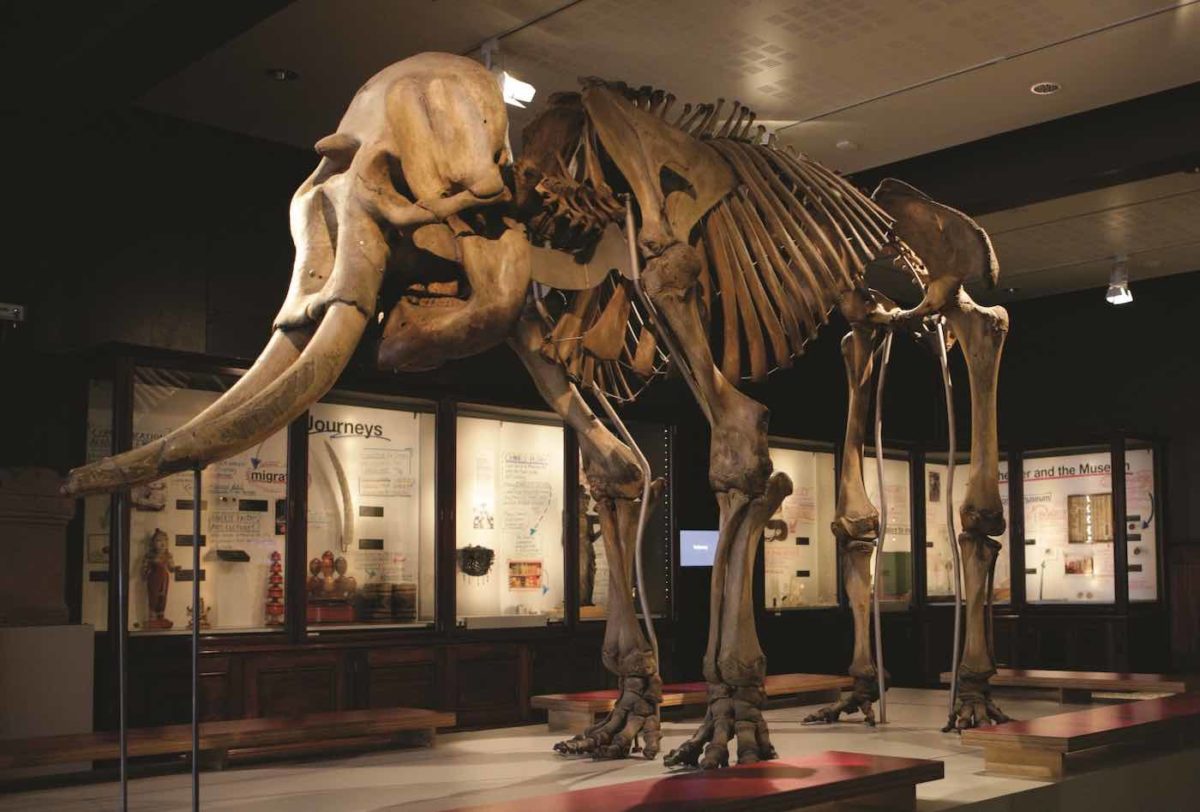
Elephants Can’t Jump: Here’s Why

Often in cartoons when we were kids, we saw elephants jumping when they were startled or scared. More than often, it also included mice or spiders scaring them (remember Badou from Babar?).

Since it involved a mice, it’s quite hard to say that this happened in their natural habitat, a clue to the myth!

Sorry to break it to you – it’s a myth. Elephants can’t jump. And there really isn’t any difference between adult elephants or baby elephants. Neither can jump.

The reason why elephants can’t jump has a lot to do with their anatomy. For starters, elephants are really, really heavy. African elephants weigh in at around an average of 13,000 pounds (5,800 kilograms). That’s about the same as 10 mid-size cars.

But it’s not just their weight that makes jumping difficult – it’s also their legs and their history.

Let us walk you through the key reasons why an elephant can’t jump.

Categories
Different species

African Bush Elephant vs Forest Elephant: Complete Guide to Africa’s Two Species

Recent studies reveal a catastrophic 90% decline in forest elephant populations since 1990, highlighting the urgent need for species-specific conservation strategies.

For decades, scientists and wildlife enthusiasts viewed African elephants as a single species. However, groundbreaking genetic research has revealed that Africa is home to two distinct elephant species: the African bush elephant (Loxodonta africana) and the African forest elephant (Loxodonta cyclotis). This distinction, officially recognized by the IUCN in 2010, has revolutionized our understanding of elephant evolution, behavior, and conservation needs.

The differences between these two species extend far beyond their habitats. From the massive bush elephants roaming the savannas of East Africa to the smaller, more elusive forest elephants navigating the dense rainforests of Central and West Africa, each species has evolved unique characteristics that reflect millions of years of adaptation to their respective environments.

For wildlife enthusiasts planning African elephant viewing experiences, understanding these species differences is crucial for choosing destinations, timing visits, and appreciating the remarkable diversity within African elephant populations.

The seasonal patterns that govern elephant movements vary dramatically between species, making species-specific knowledge essential for successful wildlife viewing.

Categories
Elephant safari Visit elephants

The Complete Seasonal Elephant Viewing Guide by Location

Timing is everything when it comes to elephant viewing, and understanding seasonal patterns can transform an ordinary wildlife encounter into an extraordinary experience that creates memories lasting a lifetime. Whether you dream of witnessing massive elephant herds congregating around African waterholes during the dry season or observing gentle giants bathing in Asian rivers during the monsoon months, choosing the right time to visit can dramatically impact the quality and frequency of your elephant sightings.

The seasonal behavior of elephants follows ancient patterns that have evolved over millions of years, driven primarily by the availability of water and food sources throughout different times of the year. During dry seasons, elephants concentrate around permanent water sources, creating spectacular viewing opportunities as hundreds of individuals gather in relatively small areas. Conversely, wet seasons see elephants dispersing across vast landscapes as temporary water sources become available, offering different but equally rewarding viewing experiences in lush, green environments.

This comprehensive seasonal elephant viewing guide covers the optimal times to see elephants across both Africa and Asia, providing detailed insights into the best months for each major destination, weather considerations, and practical planning advice to help you make the most of your elephant viewing adventure. From the iconic elephant populations of Kenya’s Amboseli National Park to the ethical sanctuaries of Thailand, we explore when and where to find the most memorable elephant encounters while maintaining the highest standards of responsible tourism.

Understanding these seasonal patterns not only enhances your chances of incredible wildlife sightings but also ensures you visit during times when elephants exhibit their most natural behaviors, from playful interactions at water sources to dramatic river crossings and complex social dynamics within family herds. By aligning your travel plans with these natural rhythms, you become part of a sustainable tourism model that supports elephant conservation while providing authentic experiences that respect these magnificent creatures and their natural habitats.

Categories
Elephant behaviors

How Does an Elephant Scratch an Itch?

Elephants, known for their size and strength, also face the challenge of itching and the need for relief. Understanding how elephants alleviate their itchiness is a fascinating subject worth exploring.

Elephants possess a range of physical tools that aid in relieving their itchiness. Elephants may use various methods such as rubbing against trees, rocks, or other rough surfaces to alleviate itching.

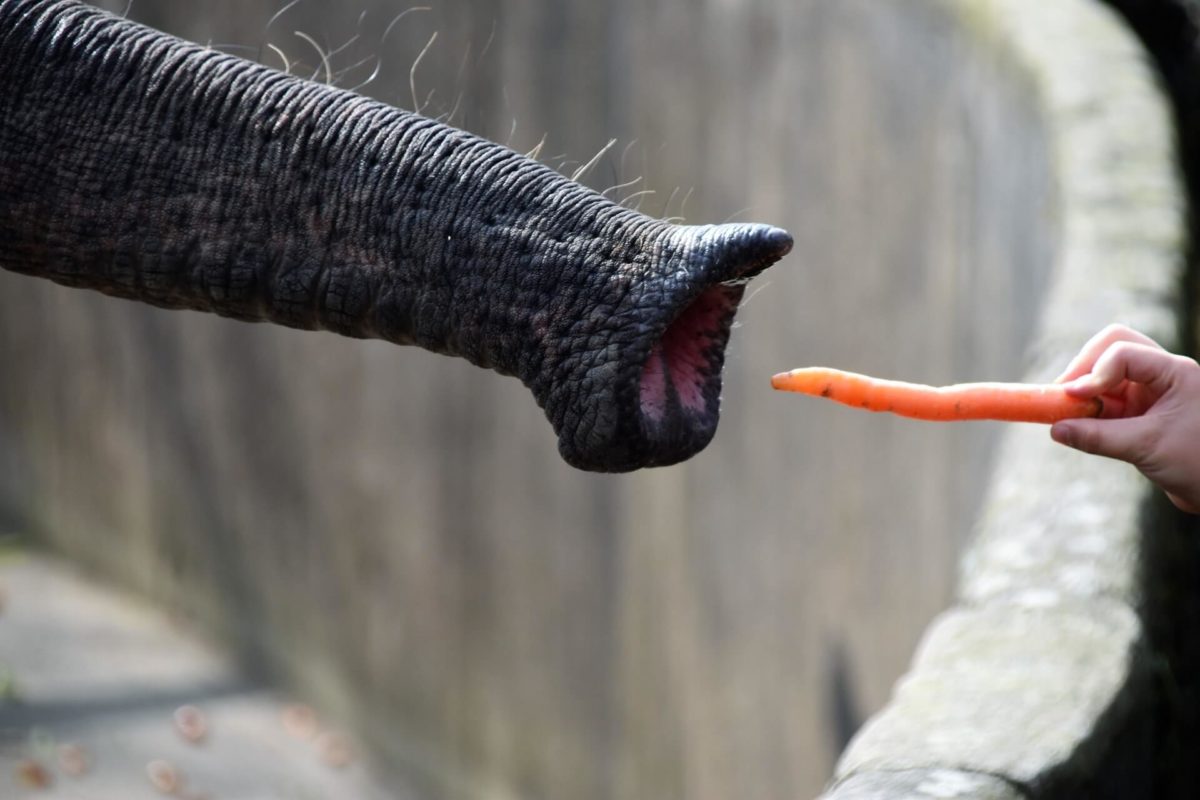
Their trunks, with their remarkable dexterity, could also be instrumental in reaching and scratching those hard-to-reach areas.

Additional insight can be gained by observing the social behavior of elephants. It is possible that elephants engage in mutual grooming, where one elephant may use its trunk or tusks to gently scratch another elephant’s itchy spots.

This bonding and supportive behavior within the herd could serve as another effective way to alleviate itching while strengthening social connections among elephants.

Categories
Elephant behaviors Elephants in the wild

How Do Elephants Clean Themselves?

Elephant Bathing Habits: A Fascinating Look at Their Hygiene and Social Life

Elephants are known for their intelligence, empathy, and the strong social bonds they form with one another. One fascinating aspect of their lives is the way they keep themselves clean and healthy through unique bathing rituals.

These practices also play a significant role in their overall well-being and social dynamics.

In this article, we explore the various methods elephants use to stay clean, such as submerging in water, spraying water with their trunks, and rubbing themselves with sand or dirt for exfoliation. We also discuss their natural adaptations for cooling down and the importance of cooperation within their communities for maintaining good hygiene.

Join us on this captivating journey into the world of elephant bathing habits, where we uncover the secrets behind their remarkable approach to hygiene and well-being.

Categories
Elephant safari Visit elephants

Best Places To See Elephants In Tanzania

Tanzania hosts remarkable elephant populations, offering travelers unforgettable experiences to observe these incredible animals in their natural surroundings. In this guide, we’ll uncover top destinations for witnessing elephants, including famous parks and lesser-known gems.

Tarangire National Park is a prime location for elephant sightings. With its dense wildlife population and striking landscape featuring ancient baobab trees, the park provides a beautiful setting for observing elephants.

During the dry season, large herds gather near the Tarangire River, allowing close-up encounters.

Ruaha National Park is another must-visit destination for elephant enthusiasts. As Tanzania’s largest national park, Ruaha’s diverse ecosystem supports a significant number of elephants.

The picturesque Great Ruaha River attracts these animals, presenting an ideal spot to watch them as they drink, eat, and socialize.

Besides these well-known parks, Tanzania has numerous other locations to appreciate elephants.

Serengeti National Park and Ngorongoro Conservation Area are perfect examples, where you can see elephants roaming vast plains alongside iconic African wildlife.

For a unique experience, consider visiting the Selous Game Reserve. This off-the-beaten-path destination offers intimate and exclusive encounters with elephants, away from the crowds.

Dive deeper into our guide to discover detailed information on each location, as well as tips and advice to enhance your elephant-viewing experience.

Categories
Elephant safari Visit elephants

Best Places To See Elephants In Zimbabwe

If you’re looking for a way to get up close and personal with some of the world’s most majestic creatures, look no further than Zimbabwe.

It is home to some of the largest herds of elephants in Africa and offers visitors a fantastic opportunity to observe elephants in their natural habitat.

From game reserves to national parks, there are some of the best places to see elephants in Zimbabwe in the world.

Our top picks for elephant viewing in Zimbabwe include Hwange National Park, Victoria Falls National Park, and Zambezi National Park.

They’re all known for their stunning landscape and views as well as rich wildlife. Read on!