What are Elephants favorite fruits?


Elephants are one of the most fascinating animals on earth. They are big, strong, and have a very unique appearance. But what do you know about an Elephant’s diet?
In this article, we will explore the different fruits that elephants enjoy eating. We will also look at some of the benefits that these fruits provide for elephants.
So if you want to learn more about what fruits elephants like to eat, keep reading.
Did you know
Zoos and sanctuaries often name bananas and watermelon among elephants’ favorites, but no one has ranked them.
Quick answer
There is no scientifically established favorite fruit for elephants. Zoos and sanctuaries report different favorites, with watermelon and bananas among the most often named. In the wild, fruit is a smaller part of the diet than grass, leaves, shrubs and bark, though African forest elephants eat more of it.
6 Fruits and Vegetables Elephants Are Often Fed
Here are six fruits and vegetables that zoos and sanctuaries commonly offer to elephants. The order is not a ranking.
Banana

Bananas are a common treat for elephants in zoos and sanctuaries.
Zoo and sanctuary keepers often name bananas as a favorite of individual elephants, though not every elephant picks them first.
Pros
- A common treat in zoos and sanctuaries.
Cons
- Fruit and vegetables are treats; most of an elephant’s diet is grasses, leaves, shrubs and bark.
Carrots

Although a vegetable, carrots are another food elephants are commonly offered in zoos and sanctuaries.
Pros
- A common treat in zoos and sanctuaries.
Cons
- Fruit and vegetables are treats; most of an elephant’s diet is grasses, leaves, shrubs and bark.
Apples

Apples are another fruit elephants are often given in zoos and sanctuaries.
Pros
- A common treat in zoos and sanctuaries.
Cons
- Fruit and vegetables are treats; most of an elephant’s diet is grasses, leaves, shrubs and bark.
Watermelon

Watermelon is one of the fruits zoos and sanctuaries report as a favorite. Seneca Park Zoo lists it among its elephants’ favorite foods, and Wildlife SOS says one of its elephants, Laxmi, picks watermelons first.
Pros
- Named as a favorite by some zoos and sanctuaries.
Cons
- Fruit and vegetables are treats; most of an elephant’s diet is grasses, leaves, shrubs and bark.
Strawberries

Strawberries are sometimes offered to elephants as a treat.
Pros
- Sometimes offered as a treat.
Cons
Grapes

Grapes are sometimes offered to elephants as a treat.
Pros
- Sometimes offered as a treat.
Cons
Wild Fruits Elephants Eat in Nature
While elephants at sanctuaries and zoos are often fed bananas, apples, and watermelons, wild elephants eat native fruits when they are in season. Fruit is a smaller part of the wild diet than grasses, leaves, shrubs and bark, though African forest elephants eat more of it than savanna elephants.
Elephants eat a very wide range of fruit. A 2011 review in Acta Oecologica by Campos-Arceiz and Blake compiled published records and found 451 plant species whose fruits elephants eat or whose seeds they disperse, and it describes fruit as an important part of elephant diets. A separate study in the Congo, reported by Mongabay in 2009, found forest elephants dispersing the seeds of 96 plant species.
Marula Fruit (Africa)
The marula tree (Sclerocarya birrea) produces small, plum-like fruits that African elephants eat fresh from the tree. The popular story that elephants get drunk on marula is doubtful: a 2006 study reported by National Geographic estimated that an elephant would have to eat more than 1,400 well-fermented fruits at once to feel tipsy.
Forest Fruits (Africa)
African forest elephants eat more fruit than savanna elephants, according to the San Diego Zoo Wildlife Alliance. Which fruits matter most, and how much, varies by forest and season.
Balanites Fruit (Uganda)
Balanites wilsoniana is a forest tree in Uganda whose fruit elephants eat. In Kibale National Park, Cochrane (2003) found that 54.9 percent of its seeds germinated after passing through an elephant, against 2.9 percent of seeds that had not. An earlier Ugandan study by Chapman, Chapman and Wrangham (1992) reported 50.7 percent against 3 percent.
Elephant Apple, or Chalta (South Asia)
The elephant apple (Dillenia indica) has hard fruit that elephants eat. In Buxa Tiger Reserve in India, elephants were responsible for more than 63 percent of seed removal by frugivores, according to a 2013 Journal of Ecology study by Sekar and Sukumar. Scientific American reported on a feeding trial in Thailand with six female Asian elephants in which seeds that passed through the gut germinated more often and sooner than untreated seeds.
Mango, Tamarind and Jackfruit (Asia)
In India, fruiting trees on farmland draw Asian elephants in. A 2023 study on the Wayanad plateau found that crop damage peaked during the jackfruit and mango season, and a Wildlife SOS summary of another study names jackfruit, tamarind and mango among the fruit trees linked to crop raiding.
The Bottom Line
Elephants have a wide and varied palate when it comes to fruit. Zoos and sanctuaries often name bananas and watermelon among elephants’ favorites, but individual elephants differ and no ranking exists. In the wild, elephants eat seasonal fruits such as marula, alongside a main diet of grasses, bark, and leaves.
Fruit makes up only a small portion of an elephant’s total diet: they eat roughly 75 to 150 kg (165 to 330 lb) of food each day, most of which comes from tougher vegetation.
Frequently Asked Questions about Elephants favorite fruits
Yes, elephants eat fruit. Elephants eat a very wide variety of plants. While elephants mostly eat leaves, bark and grass, fruit is a smaller, seasonal part of the diet for most populations.
Zoos and sanctuaries offer fruit as a treat and as enrichment. Most of an elephant’s diet is grasses, leaves, shrubs and bark, so fruit is not a main food.
Yes. In India, mango is one of the fruiting trees that draw Asian elephants onto farmland, according to a 2023 study on the Wayanad plateau.
There is no scientifically established favorite. Zoos and sanctuaries report different favorites for different elephants, and watermelon and bananas are among the most often named. In the wild, elephants eat fruit such as marula when it is in season.
In the wild, fruit is a seasonal food rather than a daily staple. For most of the year the wild diet is dominated by grasses, leaves, bark and roots. In zoos and sanctuaries, fruit is commonly offered as a treat.
Sources
Where the main facts in this article come from. Links open in a new tab.
- Smithsonian's National Zoo, Asian elephant
- Britannica, African bush elephant
- Britannica, Elephant
- Mongabay, As forest elephants plummet, ebony trees decline in Central Africa, 2025
- Seneca Park Zoo, Satisfying an elephant’s appetite
- Wildlife SOS, Nourishing our elephants: what’s on the menu
- Wildlife SOS, Understanding crop-raiding by elephants in India
- National Geographic, Elephants drunk in the wild? Scientists put the myth to rest
- San Diego Zoo Wildlife Alliance, Elephant
- Frontiers in Conservation Science, human-elephant conflict on the Wayanad plateau, 2023
- Cochrane, The need to be eaten: Balanites wilsoniana with and without elephant seed-dispersal, Journal of Tropical Ecology, 2003
- Chapman, Chapman and Wrangham, Balanites wilsoniana: elephant dependent dispersal, Journal of Tropical Ecology, 1992
- Campos-Arceiz and Blake, Megagardeners of the forest: the role of elephants in seed dispersal, Acta Oecologica, 2011
- Journal of Ecology blog, Editor’s Choice on Sekar and Sukumar (2013), chalta and elephants
- Scientific American, Asian elephants help seed the forest, 2016
- Mongabay, Vanishing forest elephants are the Congo’s greatest cultivators, 2009
Keep reading

Do Elephants Eat Meat?
Do elephants eat meat? No. Elephants are herbivores. The biology behind it, why they sometimes handle bones and ivory, and how they get protein…

Elephant Poo: Why these facts will ding-dung your mind
Adult elephants can produce roughly 100 kg (220 lb) of dung or more each day. Tsavo Trust says elephants defecate 10 to 20 times…
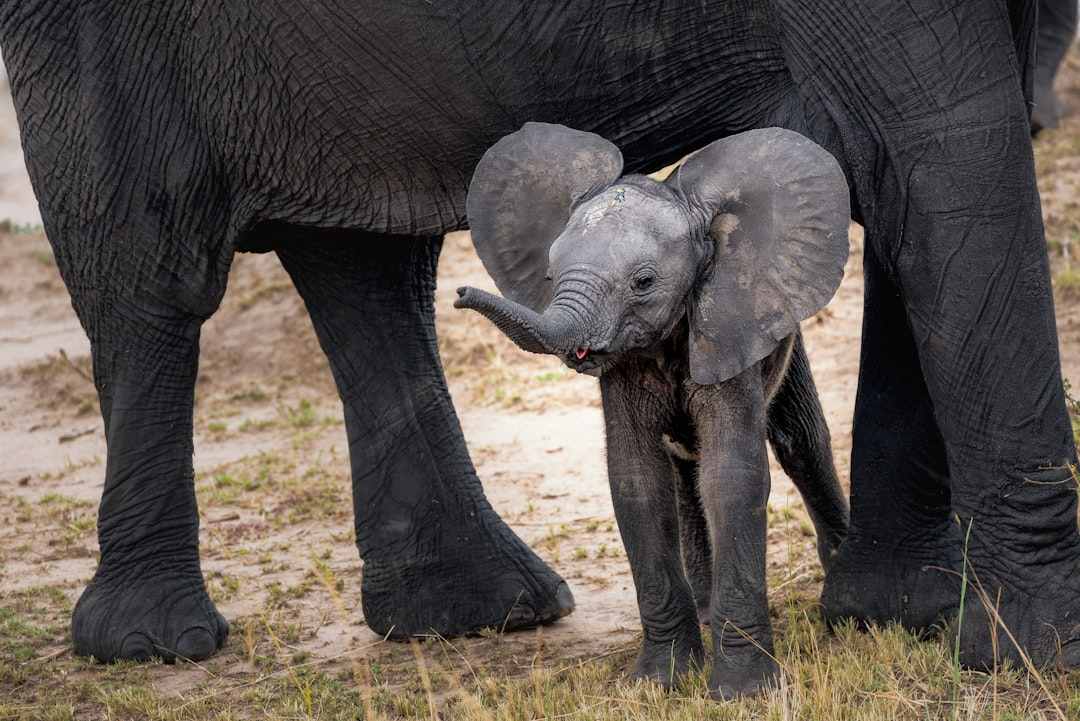
What Do Baby Elephants Eat?
A newborn elephant weighs roughly 150 to 350 lb (68 to 160 kg) and can’t yet control its own trunk. So how does it…