
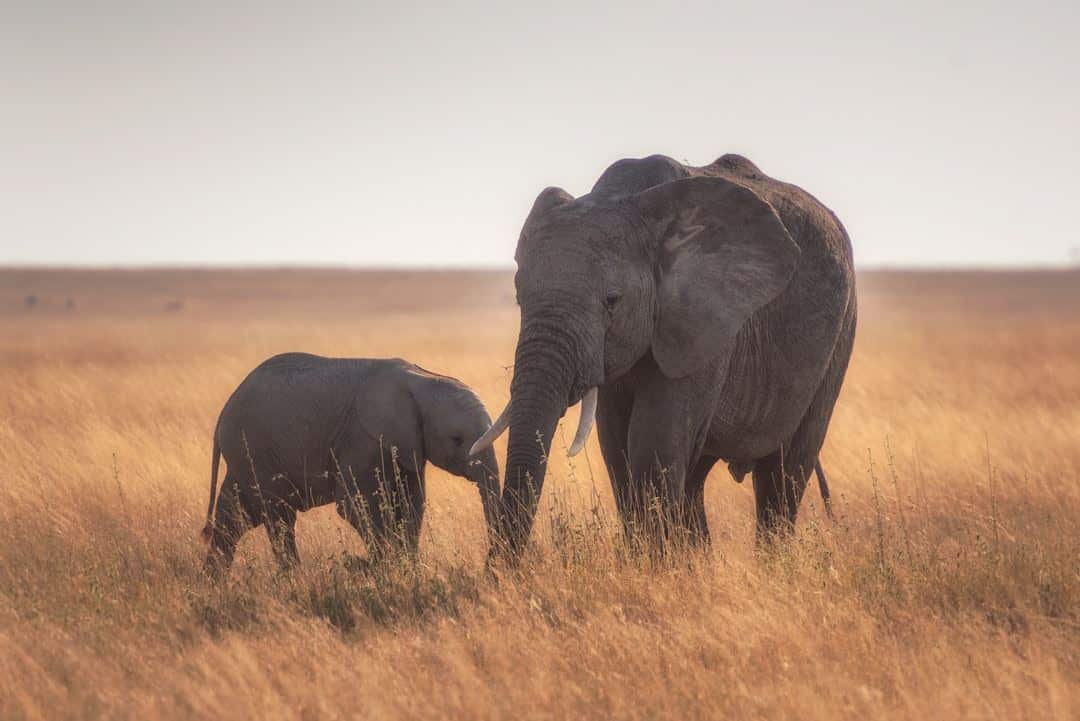
Elephant populations have fallen dramatically over the last century — African elephants from millions to a few hundred thousand, and Asian elephants to an endangered ~40,000–50,000. The good news: individuals really can make a difference, and you don’t have to fly to Africa to do it. Here are the most effective, legitimate ways to help save elephants — from a few dollars a month to choices you make on your next trip.
The short version: the highest-impact things you can do are (1) donate to or adopt through a reputable elephant charity, (2) never buy ivory or elephant products, (3) choose ethical, hands-off elephant tourism, and (4) support habitat and anti-poaching work. Below, exactly how to do each one well.
1. Donate to a Reputable Elephant Charity
The single most effective thing most people can do is fund the organizations already doing the work on the ground — anti-poaching patrols, orphan rescue, veterinary care, and habitat protection cost money, and small recurring donations add up. A few of the most respected, transparent options:
- Sheldrick Wildlife Trust — runs the world’s most successful orphan-elephant rescue and rehabilitation program in Kenya.
- Save the Elephants — research, anti-poaching intelligence, and the human-elephant coexistence work behind the famous beehive fences.
- World Wildlife Fund (WWF) — large-scale habitat protection, anti-trafficking policy, and community programs across Africa and Asia.
- International Elephant Foundation — funds conservation projects and research for both African and Asian elephants.
Before giving, it’s worth a two-minute check on a charity evaluator (Charity Navigator, GuideStar) to see how much of each dollar reaches programs. All of the above are well-established and well-rated.
2. Adopt an Elephant
“Adopting” an elephant is a symbolic donation — you don’t take one home, but your money funds a specific orphan or the wider program, and you usually get updates, a certificate, and photos. It’s one of the easiest recurring ways to give and makes a genuinely good gift.
| Program | Typical cost | What you get |
|---|---|---|
| Sheldrick Wildlife Trust | From ~$50/year | Adopt a named rescued orphan; monthly updates, watercolor, and keeper’s diary |
| WWF symbolic adoption | ~$25–$250 | Plush elephant, adoption certificate and species kit |
| Save the Elephants | Varies | Support a satellite-tracked wild elephant and follow its movements |
For more on how this works, see our guide to adopting an elephant.
3. Never Buy Ivory or Elephant Products
Demand for ivory is what drives poaching. Every purchase — carvings, jewelry, “antique” ivory, trinkets sold to tourists — helps keep the trade alive. The rule is simple: don’t buy ivory in any form, don’t buy products made from elephant skin, hair or feet, and be skeptical of anything marketed as “legal” or “pre-ban” ivory, which is frequently used to launder new material. To understand why this matters so much, see our breakdown of why elephants are endangered.
Poaching is a demand problem. The most powerful thing a consumer can do is make ivory worthless by refusing to buy it.
4. Choose Ethical Elephant Tourism
Tourism can help or harm depending on where your money goes. Elephant riding, circus-style shows, and “wash the elephant” attractions typically rely on captive elephants trained through harsh methods and kept in poor conditions. Ethical alternatives put your money toward conservation instead:
- Go on a genuine wild safari — seeing elephants in national parks funds the parks that protect them. Look for operators that keep a respectful distance and don’t bait animals.
- Visit rehabilitation sanctuaries, not ride camps — choose hands-off, observation-only facilities (like Udawalawe’s Elephant Transit Home) over places offering rides or performances.
- Say no to riding and shows — if an attraction lets you ride, bathe, or watch elephants perform tricks, that’s a red flag.
Planning a trip is itself a way to help — see where to go responsibly in our best places to see elephants guide and our guide to ethical elephant experiences in the US.
5. Support Habitat, Corridors and Coexistence
Poaching isn’t the only threat — habitat loss and human-elephant conflict now kill huge numbers of elephants too. You can back the work that addresses the root cause: protecting migration corridors, funding community compensation schemes, and scaling deterrents like the beehive fences that cut crop-raiding by up to 86%. Donations earmarked for “coexistence” or “human-wildlife conflict” programs go here. Read more about the problem in our guide to elephant migration and corridors.
6. Use Your Voice
- Spread awareness — share reputable conservation content; demand reduction is a numbers game.
- Support strong policy — back ivory-trade bans and anti-trafficking legislation in your country.
- Shop and invest thoughtfully — avoid products linked to deforestation in elephant range (unsustainable palm oil, timber); look for credible certification.
- Volunteer or fundraise — from birthday fundraisers to skilled volunteering, time and reach matter alongside money.
The bottom line
You don’t need to do everything — pick one or two that fit your life and stick with them. A small monthly donation to a trusted charity, a firm no to ivory, and choosing ethical tourism together do more than any one grand gesture. Keep learning: why elephants are endangered, how many elephants are left, and how elephant adoption works.
Frequently asked questions
For most people it’s a recurring donation to a reputable elephant charity such as the Sheldrick Wildlife Trust, Save the Elephants or WWF, combined with never buying ivory and choosing ethical, hands-off elephant tourism. Small consistent actions add up more than one-off gestures.
Symbolic adoptions start around $50 a year with the Sheldrick Wildlife Trust and roughly $25–$250 with WWF depending on the kit. You don’t take an elephant home — the money funds a specific orphan or the wider program, and you receive updates and a certificate.
No. Elephant riding relies on captive elephants that are typically trained through harsh methods and kept in conditions that harm their welfare. Choose observation-only sanctuaries and genuine wild safaris instead.
Yes. Poaching is driven by demand, so reducing the number of buyers directly lowers the incentive to kill elephants. China’s 2017 domestic ivory ban, for example, was followed by a steep fall in wholesale ivory prices.
Yes — spread awareness, support ivory-ban and anti-trafficking policy, avoid products tied to habitat destruction in elephant range, and choose ethical tourism. Your choices as a consumer and voter matter alongside donations.