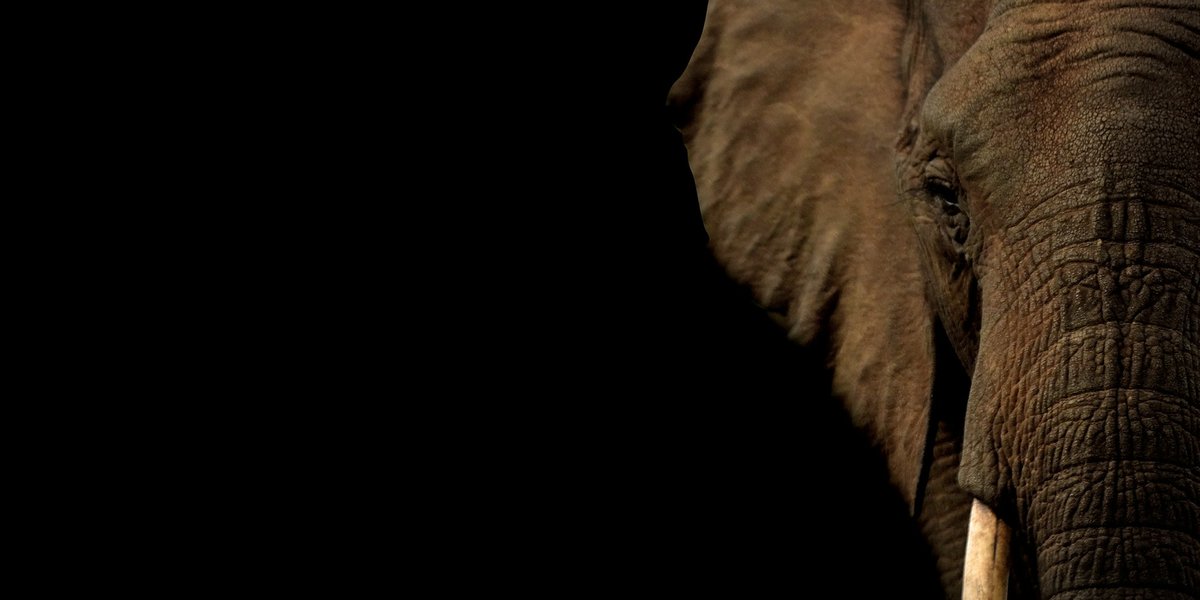
It’s a question that comes up more than you’d think — maybe because of their tough, wrinkled, almost reptilian-looking skin. But yes: the elephant is very much a mammal. In fact it’s one of the most iconic mammals on Earth, and it ticks every box that defines the group. Here’s why, plus how elephants are classified.
The short answer: yes — elephants are mammals (class Mammalia, order Proboscidea). They’re warm-blooded, give birth to live young, nurse them with milk, and have hair.
Is an elephant a mammal?
Yes. Elephants are mammals — warm-blooded vertebrates in the class Mammalia. Their nearly hairless, leathery skin can make them look like an exception, but they share all the defining mammalian traits.
Why is an elephant a mammal? The defining traits
An animal is a mammal if it has these key features — and elephants have every one:
- Warm-blooded — elephants regulate their own body temperature (their huge ears help radiate heat).
- Live birth — they give birth to live young, not eggs, after a ~22-month pregnancy.
- Nurse with milk — mothers feed calves from mammary glands for years.
- Have hair — sparse, but elephants do have hair (and calves are noticeably fuzzier).
- Breathe air with lungs — including through that remarkable trunk.
How is an elephant classified?
Here’s where the elephant sits in the animal kingdom:
| Rank | Classification |
|---|---|
| Kingdom | Animalia |
| Phylum | Chordata |
| Class | Mammalia (mammals) |
| Order | Proboscidea |
| Family | Elephantidae |
| Genera | Loxodonta (African) & Elephas (Asian) |
There are three living species across those genera — see the three species of elephant.
What kind of mammal is an elephant?
Elephants are placental mammals and the only living members of the order Proboscidea (the “trunked” mammals, which once included mammoths — see mammoth vs elephant). Surprisingly, their closest living relatives aren’t other big animals at all, but the small hyrax and the aquatic manatee and dugong.
Why does an elephant not look like a typical mammal?
Most people picture a mammal as something furry. An elephant looks almost bare, with thick, wrinkled grey skin that can pass for something reptilian. The skin is up to about an inch (2.5 cm) thick over much of the body, and the hair is sparse: a coarse covering of bristles that is thickest on calves and around the head and tail tip. Our guide to elephant skin explains why it wrinkles and cracks, and our page on whether elephants have hair covers where it grows.
Beyond the headline traits above, elephants carry the full set of mammal anatomy:
- Mammary glands. Elephants have two, located between the front legs, much like a human’s. Calves nurse for two years or more.
- Three middle ear bones. The hammer, anvil and stirrup are a mammal signature, and elephants use them to pick up rumbles far below the range of human hearing.
- A four-chambered heart. It beats at around 30 times a minute at rest.
- A large neocortex. The folded outer layer of the brain that handles memory, planning and social life is highly developed, see how smart elephants are.
- Specialized teeth. Tusks are modified upper incisors, and the huge grinding molars are replaced through life, giving six sets in total. See elephant teeth.
Elephant vs reptile: a side-by-side comparison
The easiest way to settle the reptile question is to compare the two directly.
| Trait | Elephant (mammal) | Typical reptile |
|---|---|---|
| Body temperature | Warm-blooded, keeps a steady internal temperature | Cold-blooded, relies on outside heat |
| Reproduction | Live birth after about 22 months | Most lay eggs |
| Feeding young | Milk from the mother | No milk |
| Skin | Thick skin with sparse hair | Dry scales |
| Heart | Four chambers | Usually three (crocodilians have four) |
| Parental care | Years of care from the mother and herd | Usually little or none |
Wrinkled grey skin is the only trait that points the other way, and it does not change what the animal is.
Elephants belong to Afrotheria, a group of mammals whose ancestors evolved in Africa. Their closest living relatives are the manatees and dugongs and the rock hyraxes, a trio scientists call Paenungulata. More distant cousins include aardvarks, elephant shrews, tenrecs and golden moles. None of them looks remotely like an elephant, which shows how far evolution can take a shared ancestor.
For the story of how the family branched into mammoths, mastodons and straight-tusked giants, read elephant evolution and extinct relatives.
Quick mammal facts about elephants
- Largest living land mammal: the African bush elephant, covered in the biggest elephant in the world.
- Longest pregnancy of any land mammal: about 22 months, see the elephant gestation period.
- Plant-only diet: elephants are herbivores, not omnivores. Read do elephants eat meat.
- Lifespan: up to about 70 years in the wild, see how long elephants live.
- Social life: herds led by a matriarch, see elephant herd behavior.
The bottom line
Yes, the elephant is a mammal — a warm-blooded, live-bearing, milk-feeding member of class Mammalia and the order Proboscidea. Keep exploring: the three species, how much they weigh, and their record-breaking pregnancy.
Frequently asked questions
Yes. Elephants are mammals — warm-blooded animals that give birth to live young, nurse them with milk and have hair. They belong to class Mammalia, order Proboscidea.
Despite their tough, leathery skin, elephants are warm-blooded, bear live young, produce milk and have hair — all mammal traits. Reptiles are cold-blooded and most lay eggs.
Proboscidea — the trunked mammals. Elephants are the only living members; extinct relatives include the mammoths and mastodons.
Surprisingly, the small hyrax and the aquatic manatee and dugong — not other large land animals.
No. Elephants are mammals. Their wrinkled grey skin looks reptilian, but they are warm-blooded, give birth to live young, produce milk and have hair.
Yes. Elephants keep a steady internal body temperature, and they lose excess heat through their large, blood-rich ears and by wallowing in water and mud.
No. An elephant gives birth to a single live calf after about 22 months of pregnancy and feeds it milk for two years or more.
An elephant is a herbivore. It eats grass, leaves, bark, roots and fruit, and it does not hunt or eat meat.