Categories
Anatomy Questions & Answers (FAQs)

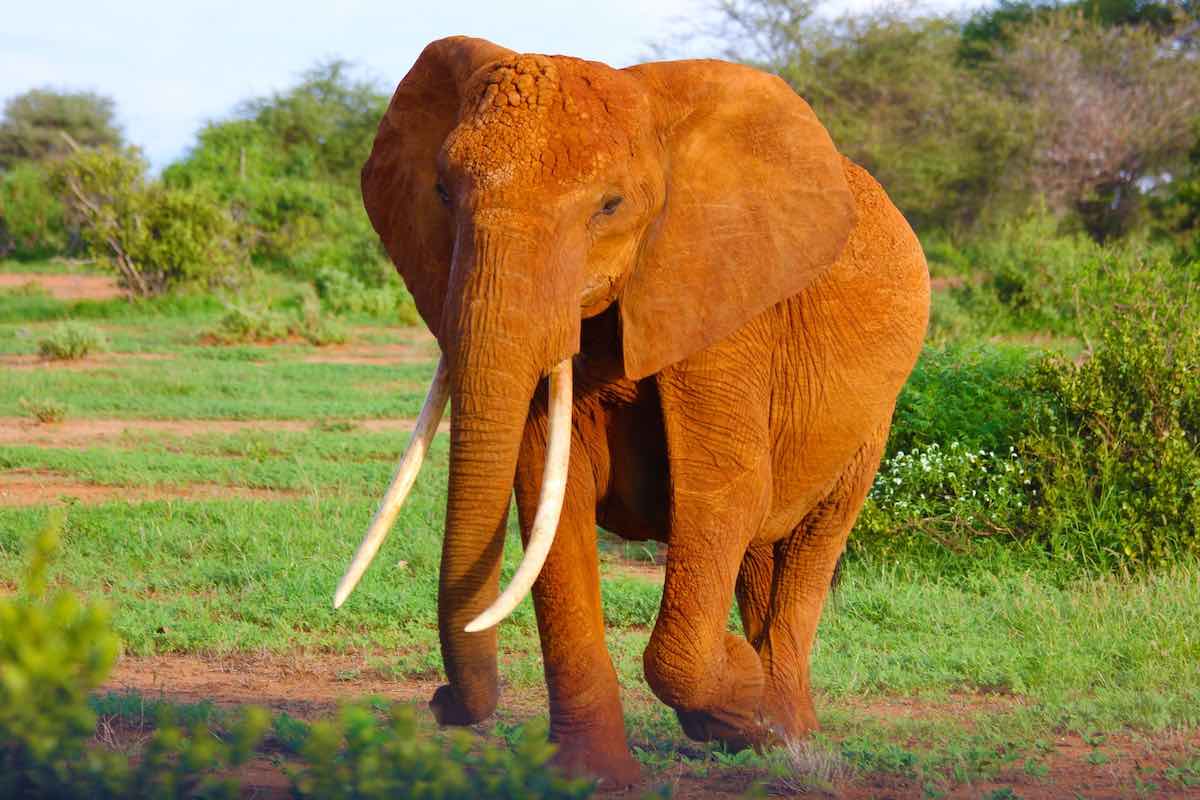
Why do Elephants have a small tail?

The elephant is the largest land mammal on the planet. Weighing in at two to six tons, they are taller than most other land mammals and can outrun most predators.

So why do these big animals have such a small tail?

Categories
Anatomy Questions & Answers (FAQs)

How Many Stomachs Does An Elephant Have?

Elephants being as big as they are, some will think they must have more than one stomach. But they don’t!

Elephants have just one stomach — a simple, single-chambered organ. Unlike cows and sheep, which are ruminants with four stomach chambers, elephants are hindgut fermenters. This means microbial fermentation of plant fibre happens in the cecum and large intestine, not in the stomach itself.

Elephants are big animals with large appetites to match. They take up a lot of space, and they require a lot of food to keep going.

In this article, we will explore the anatomy of the “inner-elephant” go through its complex digestive system.

Categories
Questions & Answers (FAQs)

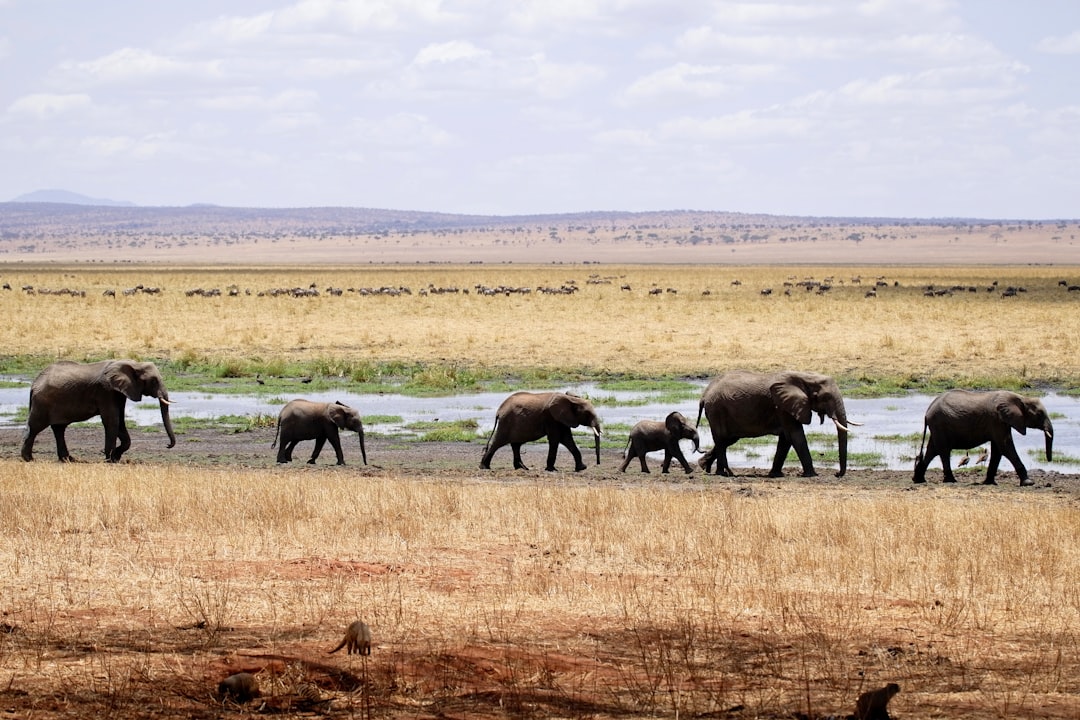
FAQ about Elephants

Here you’ll find some amazing answers to all your burning questions about this fantastic animal.

Categories
Diet & Nutrition Elephants in the wild Questions & Answers (FAQs)

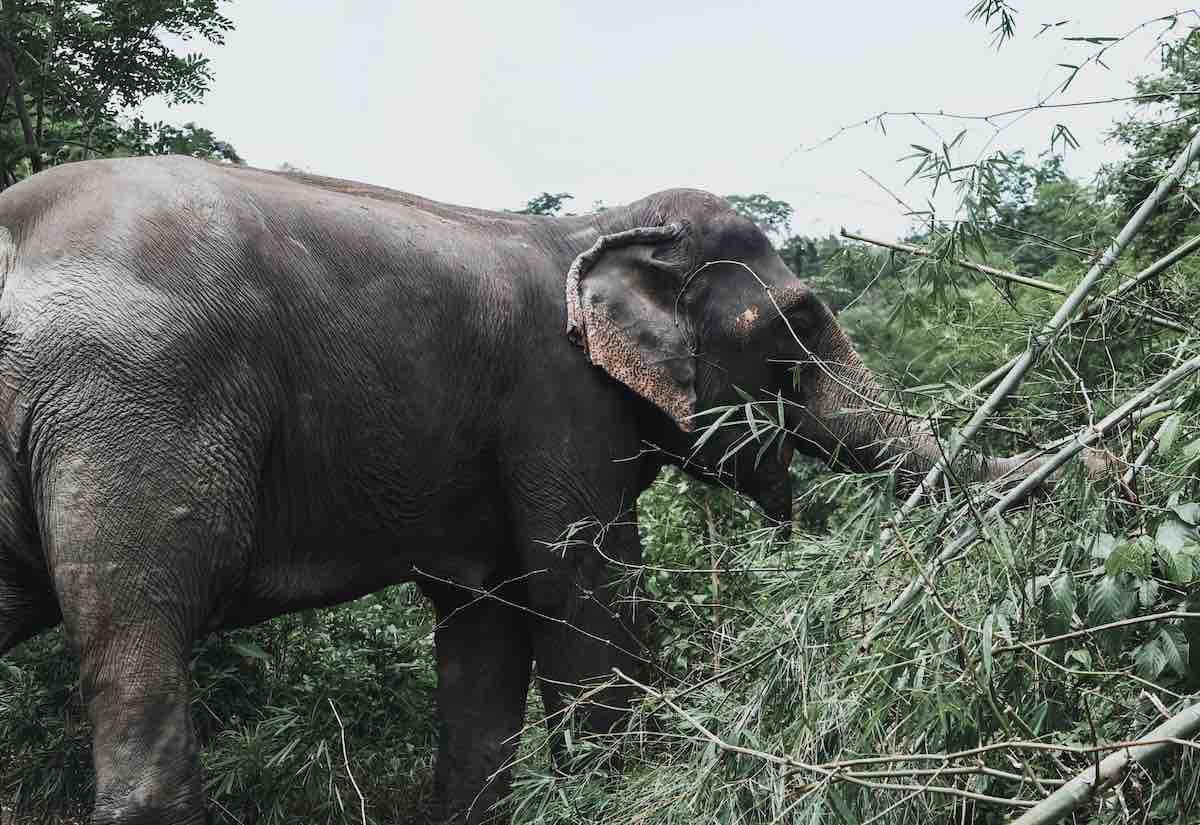
What are Elephants favorite fruits?

Elephants are one of the most fascinating animals on earth. They are big, strong, and have a very unique appearance. But what do you know about an Elephant’s diet?

In this article, we will explore the different fruits that elephants enjoy eating. We will also look at some of the benefits that these fruits provide for elephants.

So if you want to learn more about what fruits elephants like to eat, keep reading!

🍌 An elephant’s single favourite fruit? Bananas — followed closely by watermelons and mangoes.

Categories
Anatomy Elephants in the wild Questions & Answers (FAQs)

How Much Can An Elephant Lift?

An elephant is the largest land animal on Earth. These colossal creatures can weigh up to 6 tons and stand as tall as 5 meters (16 feet) when fully grown depending on the type of elephant.

An adult elephant’s strength and weight are impressive, but how much can an elephant lift? They have been known to uproot trees, break fences, and even break steel chains with their trunk or tusks.

The trunk’s muscle and strength make elephants capable of lifting up to 660-700 pounds (270-320 kg) with their trunk.

To find out how much weight an elephant can lift, we’ll explore their anatomy, their strength and weight in comparison to humans, and some examples of how much they can lift in real life.

Categories
Anatomy Elephant behaviors Questions & Answers (FAQs)

How Do Elephants Breathe?

When you think of elephants, the first thing that probably comes to mind is their gigantic size. They’re definitely big creatures. In fact, they’re the largest terrestrial mammal on Earth and they can be found in Africa (the African elephants) and in Asia (the Asian elephants). Read more about the difference between the elephant species.

An adult male elephant usually measures around 10 feet in height and can weigh up to 11 tons.

And while it’s obvious that these massive creatures have a large lung capacity and take frequent breaths of air, how do elephants breathe?

An elephant’s lungs are unusually small for its body size compared to other animals its sizes like humans, hippopotamuses, or moose.

Categories
Different species Elephants in the wild Questions & Answers (FAQs)

What are the Differences Between African Elephant and Asian Elephants?

The Asian and African elephants are both types of the same elephant species. Yet, they belong to different genera because there are so many variances between the two types of Elephants.

Africa and Asia are home to their respective species of elephants, known as Asian and African elephants.

Both types of animals are friendly and congregate in huge groups called herds.

African and Asian elephants are easiest to tell apart by their ears, the shape of their heads, and their tusks.

Ethan of ElephantGuide.com

The simplest way to tell African and Asian elephants apart is by their ears. African elephants have enormous ears that are shaped like the continent of Africa. On the other hand, Asian elephants have much smaller, round ears.

There are two living species within this genus: the larger African savanna elephant, known scientifically as L. Africana, and the smaller African forest elephant, known scientifically as L. cyclotis.

The only living species of the genus Elephas, the Asian elephant (Elephas maximus), is also known as the Asiatic elephant.

The three subspecies of the Asian elephant are E. m. indicus, which lives in mainland Asia; E. m. Maximus, which is from Sri Lanka; and finally, E. m. sumatranus native to Sumatra Island.

Categories
Elephant behaviors Questions & Answers (FAQs)

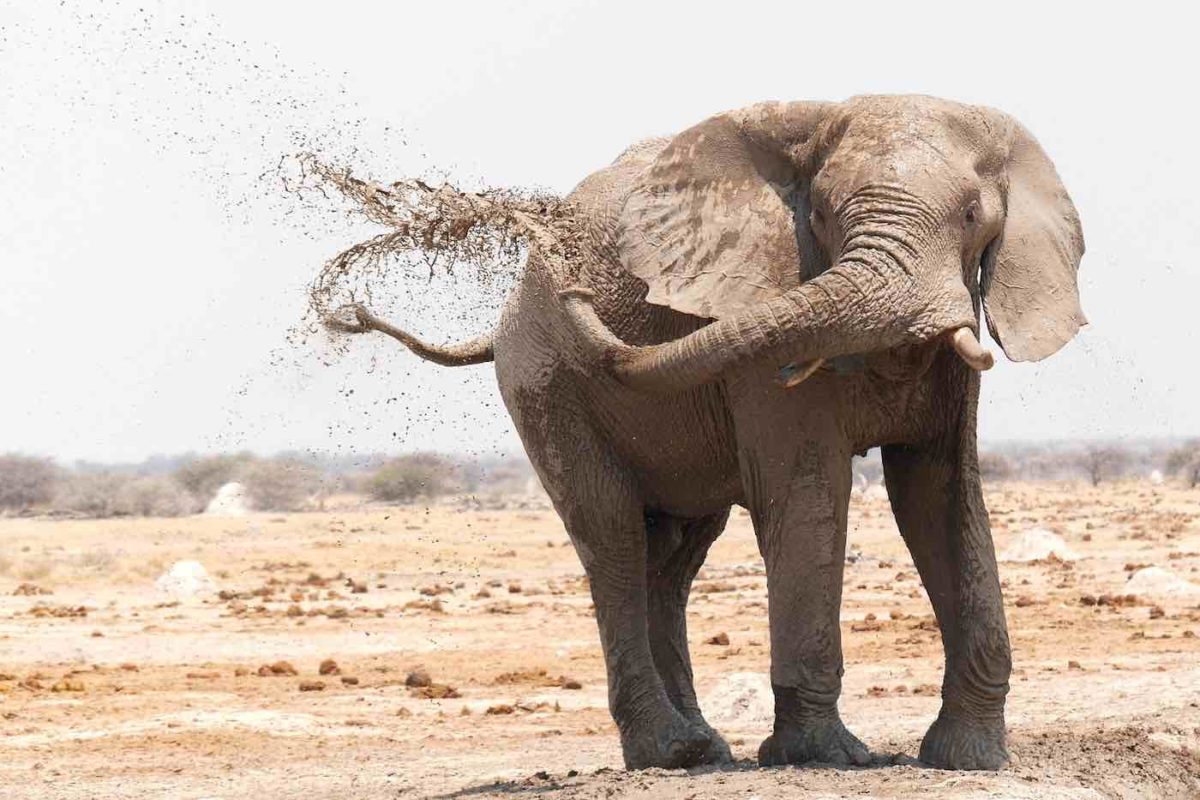
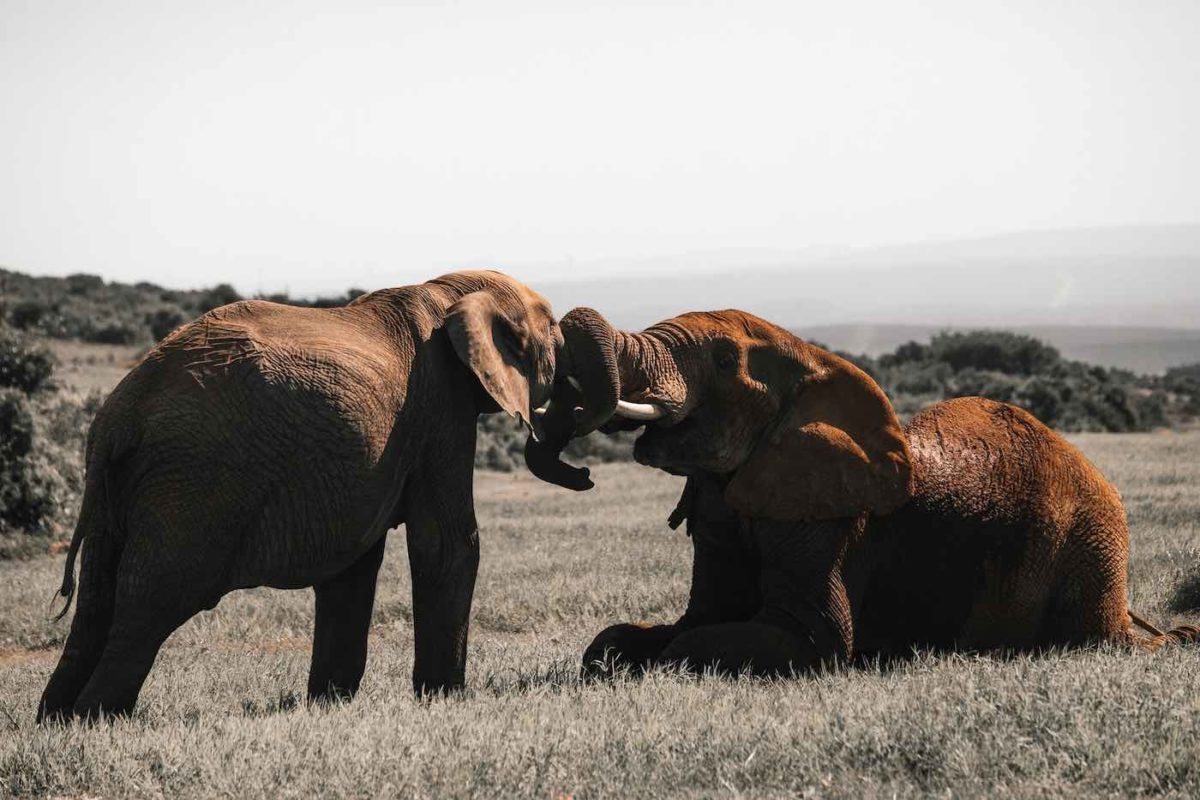
Why Do Elephants Throw Dirt On Themselves?

When you see an elephant, you might wonder what it’s thinking. They’re among the largest land animals on Earth, but they also have some of the strangest behavior.

An elephant can lift a tree with its trunk, or run around, knock things over, and throw dirt. But is there a good explanation for why elephants like throwing dirt on themselves, and for all these other strange activities?

In fact, almost everything an elephant does is related to staying healthy and protecting themselves against the elements.

An elephant is one of the most fascinating animals in the world. They are known for their size and their intelligence, and social behaviors.

What exactly is the reason why elephants throw dirt on themselves, why the dust bathing? There must be some sort of logic behind it all. Let’s take a closer look.

Categories
Elephant behaviors Questions & Answers (FAQs)

Why Do Elephants Flap Their Ears?

Few sights in the animal kingdom are as immediately striking as an African elephant spreading its vast ears in the midday heat. Those enormous panels of skin — as tall as a grown adult and wider than a dinner table — are in constant, subtle motion, and that motion is doing a great deal of work.

Ear flapping is one of the most important and multifunctional behaviors in an elephant’s repertoire. It regulates body temperature, communicates emotional state, and signals threat levels to other elephants and potential rivals alike. Though you might not know it by looking at them, elephants are smart and expressive animals with a rich set of mannerisms that science is only beginning to fully understand.

So why do elephants flap their ears? The short answer is: thermoregulation, communication, and display — often all at once. Let’s look at each in detail.

Categories
Elephant behaviors Questions & Answers (FAQs)

Why Do Elephants Charge?

Have you ever been on a safari or witnessed an elephant charge? While it may seem like a rare occurrence, it’s more common than you think.

Elephants, despite not being naturally aggressive creatures, can be provoked to charge when they feel threatened or in danger. This could be due to loud noises, unfamiliar smells, or simply being startled.

But why do elephants charge? While it can be difficult to understand the complexities of elephant behavior, there are a few theories as to why they might charge. Some male elephants might use mock charges as an opportunity to demonstrate their strength and power.

In this article, we’ll delve deeper into the reasons behind elephant charges, and explore ways to avoid such a situation if you find yourself on a savanna. We’ll also look at the measures that can be taken to prevent charging incidents from happening in the first place.

Whether you’re a seasoned safari-goer or simply curious about elephant behavior, this article is for you.