
Categories
Elephant behaviors Questions & Answers (FAQs) Saving elephants

Everything You Need To Know About Elephants And Water

Elephants are perhaps mainly known for their large size and their long trunk. But did you know that they are also incredibly good swimmers?

In this article, we will explore everything you need to know about elephants and water. We will discuss why elephants are such good swimmers, where they typically swim, elephants drinking water, and other interesting facts about these creatures!

Keep reading to find out more!

Categories
Elephant behaviors Questions & Answers (FAQs)

Are Elephants Loyal?

It’s no secret that elephants are one of the most loyal animals on the planet. They are known for their strong family ties and steadfast loyalty to friends, allies, and to their herd.

But what does this mean for elephant behavior? Are they always loyal? How do they show their loyalty?

Let’s take a closer look at elephant loyalty and what it means for these animals in the wild!

Categories
Anatomy Elephants in the wild Questions & Answers (FAQs)

How Big Are Elephants Compared To Mammoths?

The Proboscidea is the superorder that includes elephants and mammoths, the Elephantidae. There are three families in this order: African Elephants, Asian Elephants, and Mammoths.

Only the elephant family is still around today. So, how big were mammoths compared to elephants?

The woolly mammoth was not as large as people originally thought. In fact, they were only the size of modern African elephants. A male’s shoulder height would range from 9 to 11 feet, weighing approximately 6 tons.

Though many people incorrectly believe otherwise, elephants and mammoths are not closely related–they are distant cousins. Both animals coexisted peacefully with humans for a very long time.

Although male elephants will have the occasional violent outburst over things such as territory and mating rights, they are usually gentle animals.

In this article, we’ll compare and contrast elephants with mammoths – looking at why the former have persisted while the latter have perished.

Categories
Anatomy Questions & Answers (FAQs)

Elephants Can’t Jump: Here are main the reasons why

Often in cartoons when we were kids, we saw elephants jumping when they were startled or scared. More than often, it also included mice or spiders scaring them (remember Badou from Babar?).

Since it involved a mice, it’s quite hard to say that this happened in their natural habitat, a clue to the myth!

Sorry to break it to you – it’s a myth. Elephants can’t jump. And there really isn’t any difference between adult elephants or baby elephants. Neither can jump.

The reason why elephants can’t jump has a lot to do with their anatomy. For starters, elephants are really, really heavy. African elephants weigh in at around an average of 13,000 pounds (5,800 kilograms). That’s about the same as 10 mid-size cars.

But it’s not just their weight that makes jumping difficult – it’s also their legs and their history.

Let us walk you through the key reasons why an elephant can’t jump.

Categories
Different species Elephants in the wild Questions & Answers (FAQs)

The three species of Elephant

Only two species of elephants have been recognized until quite recently: the African and Asian elephants. However, conclusions from several research studies revealed that there are actually three species of elephants roaming the earth:

  1. African bush elephant (also known as the African savanna elephant)
  2. African forest elephant
  3. Asian elephant
Categories
Conservation efforts Elephants in the wild Questions & Answers (FAQs)

How many Elephants are left in the world?

While some African elephant populations are growing primarily in southern Africa, other areas are seeing decreasing populations. A lot of work has been done trying to determine the elephant population in the world, but it’s incredibly difficult to get accurate numbers. Experts can only guess at the total number of African elephants remaining.

One commonly accepted estimate is that there are about 400,000 African Elephants remaining, and between 50,000 and 100,000 Asian elephants left living in the wild.

The African Elephant population has dropped by 62% in the last decade and is expected to drop another 30% by 2025 making them an endangered species.

In fact, the elephant is labelled as “critically endangered” with WWF (World Wildlife Fund) and other organisations trying various conservation efforts to help stop the killing of these threatened species.

Categories
Diet & Nutrition Elephants in the wild Questions & Answers (FAQs)

What are Elephants favorite fruits?

Elephants are one of the most fascinating animals on earth. They are big, strong, and have a very unique appearance. But what do you know about an Elephant’s diet?

In this article, we will explore the different fruits that elephants enjoy eating. We will also look at some of the benefits that these fruits provide for elephants.

So if you want to learn more about what fruits elephants like to eat, keep reading!

Categories
Anatomy Questions & Answers (FAQs)

How Many Stomachs Does An Elephant Have?

Elephants being as big as they are, some will think they must have more than one stomach. But they don’t!

The elephant’s original stomach is instead subdivided into four different compartments: the rumen, reticulum, omasum, and abomasum. Each of which plays a crucial role in the digestion of the elephant’s plant-based diet.

Elephants are big animals with large appetites to match. They take up a lot of space, and they require a lot of food to keep going.

In this article, we will explore the anatomy of the “inner-elephant” go through it’s complex digestive system.

Categories
Anatomy Elephant behaviors Questions & Answers (FAQs)

How Do Elephants Breathe?

When you think of elephants, the first thing that probably comes to mind is their gigantic size. They’re definitely big creatures. In fact, they’re the largest terrestrial mammal on Earth and they can be found in Africa (the African elephants) and in Asia (the Asian elephants). Read more about the difference between the elephant species.

An adult male elephant usually measures around 10 feet in height and can weigh up to 11 tons.

And while it’s obvious that these massive creatures have a large lung capacity and take frequent breaths of air, how do elephants breathe?

An elephant’s lungs are unusually small for its body size compared to other animals its sizes like humans, hippopotamuses, or moose.

Categories
Elephant behaviors Questions & Answers (FAQs)

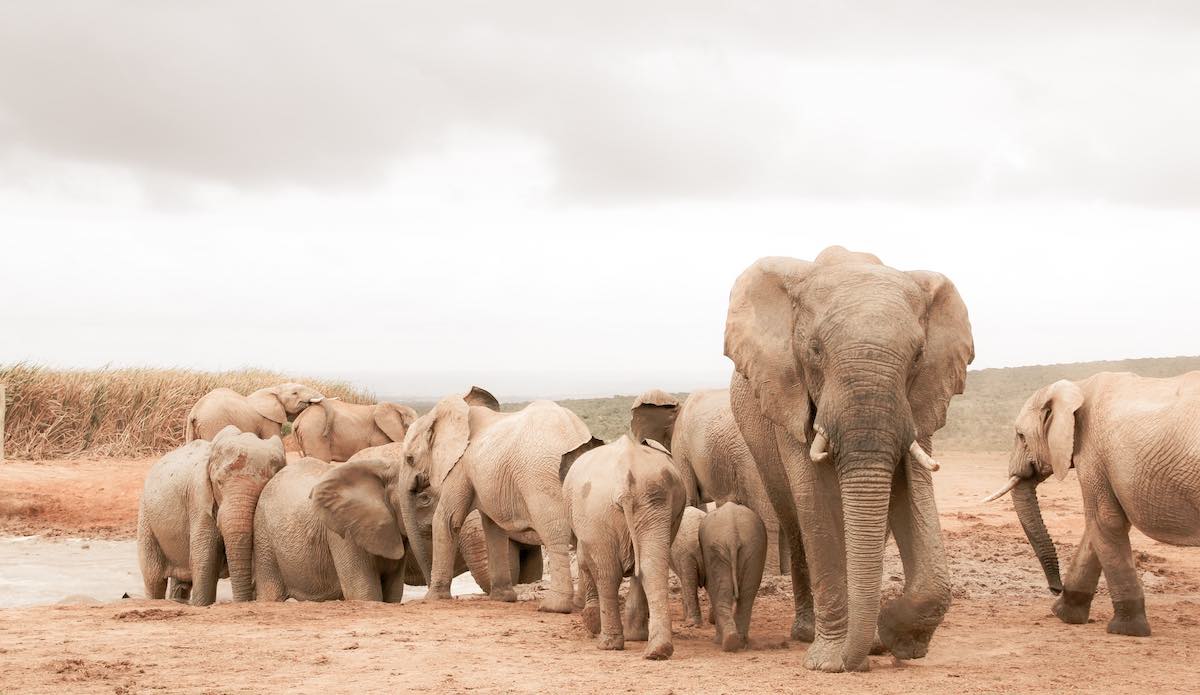
Why Do Elephants Throw Dirt On Themselves?

When you see an elephant, you might wonder what it’s thinking. They’re among the largest land animals on Earth, but they also have some of the strangest behavior.

An elephant can lift a tree with its trunk, or run around, knock things over, and throw dirt. But is there a good explanation for why elephants like throwing dirt on themselves, and for all these other strange activities?

In fact, almost everything an elephant does is related to staying healthy and protecting themselves against the elements.

An elephant is one of the most fascinating animals in the world. They are known for their size and their intelligence, and social behaviors.

What exactly is the reason why elephants throw dirt on themselves, why the dust bathing? There must be some sort of logic behind it all. Let’s take a closer look.