Categories
Diet & Nutrition Elephant behaviors Elephants in the wild

How Do Elephants Get Their Food?

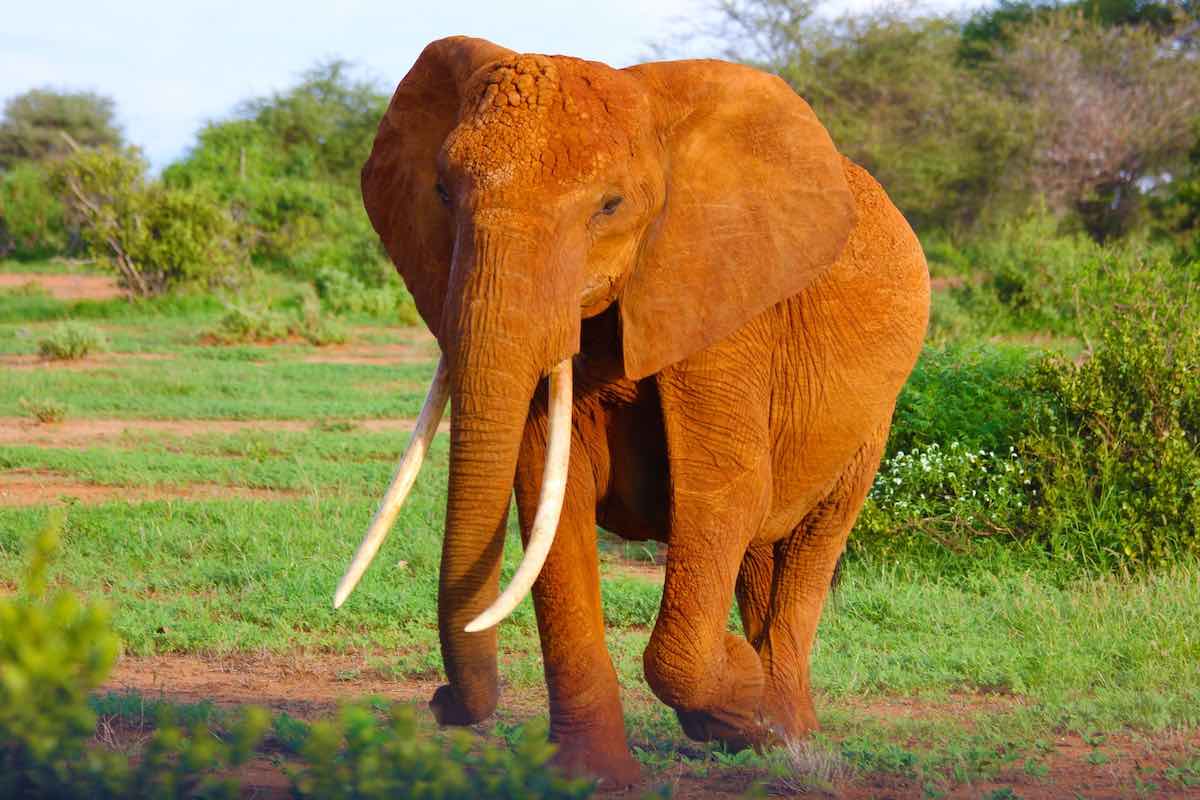
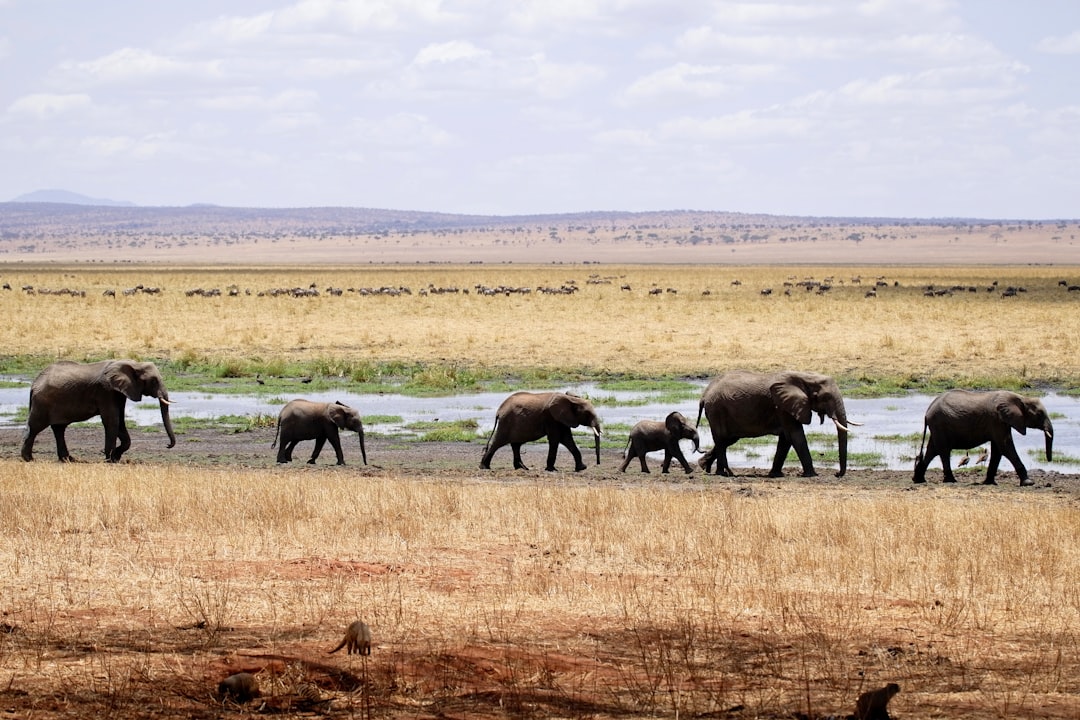
When you think of an elephant, your first thoughts are probably not about how they get their food. Most people probably wouldn’t have any idea how elephants go about feeding themselves on a daily basis. However, this is something that we all should know about. We know that most animals are plant-eaters.

However, it’s surprising to find out that there are so many different types of herbivores with unique methods for getting their food and nutrition.

With so many different species in the animal kingdom, it’s interesting to see where the elephants fit in with regard to where they get their food from.

In this article, we will see how do elephants get their food, what they eat in order to survive, and what are their eating behaviors are.

Categories
Elephant behaviors Questions & Answers (FAQs)

Why Do Elephants Charge?

Have you ever been on a safari or witnessed an elephant charge? While it may seem like a rare occurrence, it’s more common than you think.

Elephants, despite not being naturally aggressive creatures, can be provoked to charge when they feel threatened or in danger. This could be due to loud noises, unfamiliar smells, or simply being startled.

But why do elephants charge? While it can be difficult to understand the complexities of elephant behavior, there are a few theories as to why they might charge. Some male elephants might use mock charges as an opportunity to demonstrate their strength and power.

In this article, we’ll delve deeper into the reasons behind elephant charges, and explore ways to avoid such a situation if you find yourself on a savanna. We’ll also look at the measures that can be taken to prevent charging incidents from happening in the first place.

Whether you’re a seasoned safari-goer or simply curious about elephant behavior, this article is for you.

Categories
Anatomy Questions & Answers (FAQs)

Elephants Can’t Jump: Here’s Why

Often in cartoons when we were kids, we saw elephants jumping when they were startled or scared. More than often, it also included mice or spiders scaring them (remember Badou from Babar?).

Since it involved a mice, it’s quite hard to say that this happened in their natural habitat, a clue to the myth!

Sorry to break it to you – it’s a myth. Elephants can’t jump. And there really isn’t any difference between adult elephants or baby elephants. Neither can jump.

The reason why elephants can’t jump has a lot to do with their anatomy. For starters, elephants are really, really heavy. African elephants weigh in at around an average of 13,000 pounds (5,800 kilograms). That’s about the same as 10 mid-size cars.

But it’s not just their weight that makes jumping difficult – it’s also their legs and their history.

Let us walk you through the key reasons why an elephant can’t jump.

Categories
Different species

African Bush Elephant vs Forest Elephant: Complete Guide to Africa’s Two Species

Recent studies reveal a catastrophic 90% decline in forest elephant populations since 1990, highlighting the urgent need for species-specific conservation strategies.

For decades, scientists and wildlife enthusiasts viewed African elephants as a single species. However, groundbreaking genetic research has revealed that Africa is home to two distinct elephant species: the African bush elephant (Loxodonta africana) and the African forest elephant (Loxodonta cyclotis). This distinction, officially recognized by the IUCN in 2010, has revolutionized our understanding of elephant evolution, behavior, and conservation needs.

The differences between these two species extend far beyond their habitats. From the massive bush elephants roaming the savannas of East Africa to the smaller, more elusive forest elephants navigating the dense rainforests of Central and West Africa, each species has evolved unique characteristics that reflect millions of years of adaptation to their respective environments.

For wildlife enthusiasts planning African elephant viewing experiences, understanding these species differences is crucial for choosing destinations, timing visits, and appreciating the remarkable diversity within African elephant populations.

The seasonal patterns that govern elephant movements vary dramatically between species, making species-specific knowledge essential for successful wildlife viewing.

Categories
Elephant behaviors

How Does an Elephant Scratch an Itch?

Elephants, known for their size and strength, also face the challenge of itching and the need for relief. Understanding how elephants alleviate their itchiness is a fascinating subject worth exploring.

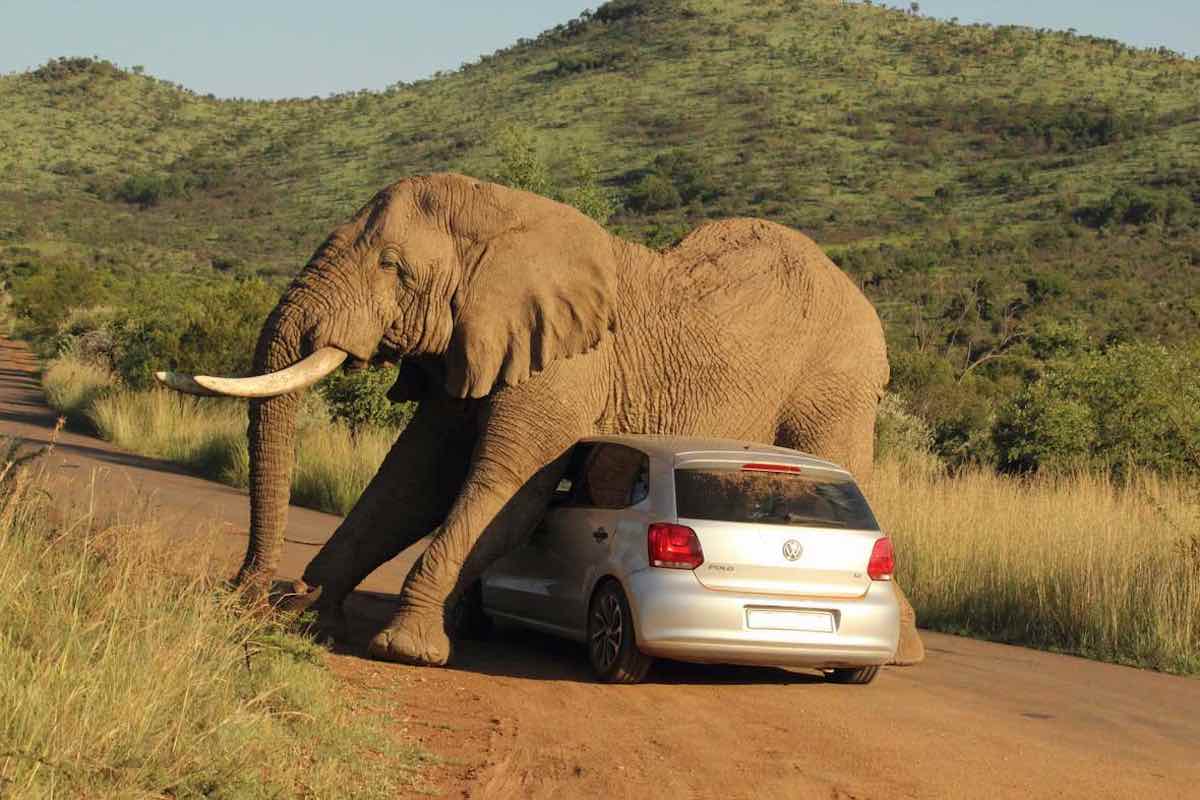
Elephants possess a range of physical tools that aid in relieving their itchiness. Elephants may use various methods such as rubbing against trees, rocks, or other rough surfaces to alleviate itching.

Their trunks, with their remarkable dexterity, could also be instrumental in reaching and scratching those hard-to-reach areas.

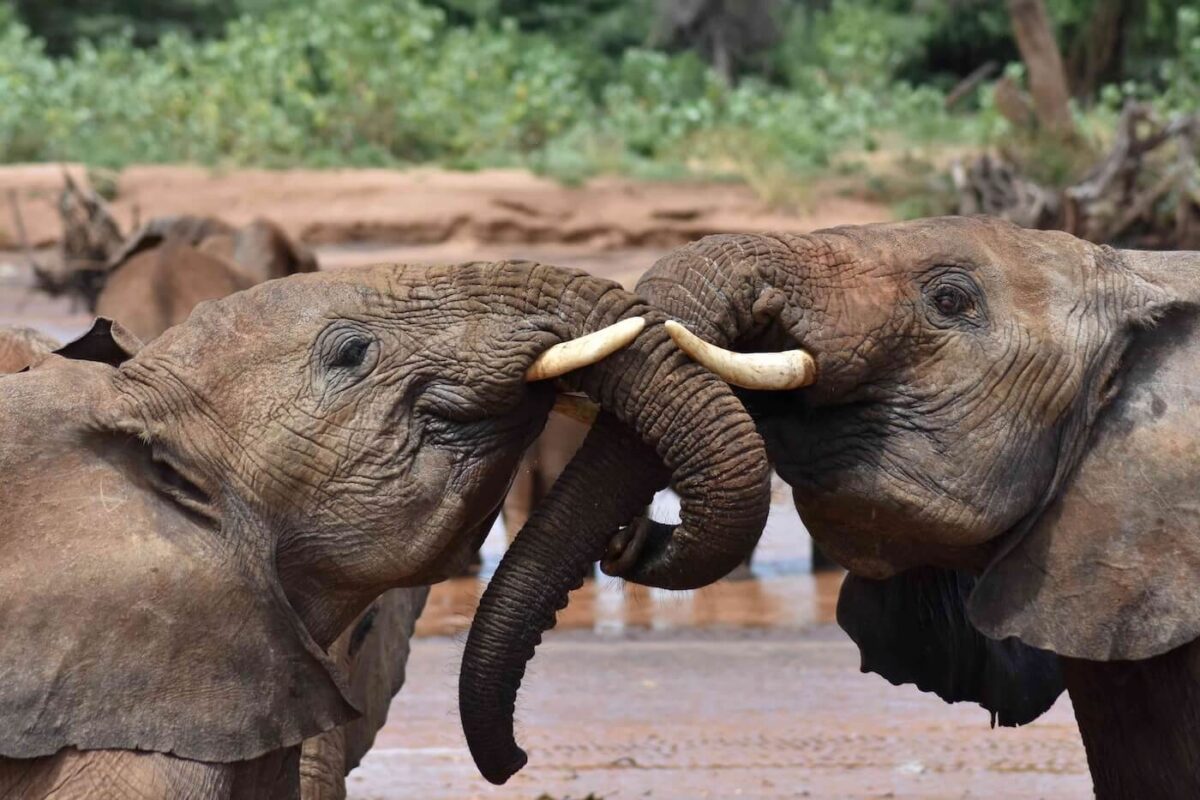
Additional insight can be gained by observing the social behavior of elephants. It is possible that elephants engage in mutual grooming, where one elephant may use its trunk or tusks to gently scratch another elephant’s itchy spots.

This bonding and supportive behavior within the herd could serve as another effective way to alleviate itching while strengthening social connections among elephants.

Categories
Elephant behaviors Elephants in the wild

How Do Elephants Clean Themselves?

Elephant Bathing Habits: A Fascinating Look at Their Hygiene and Social Life

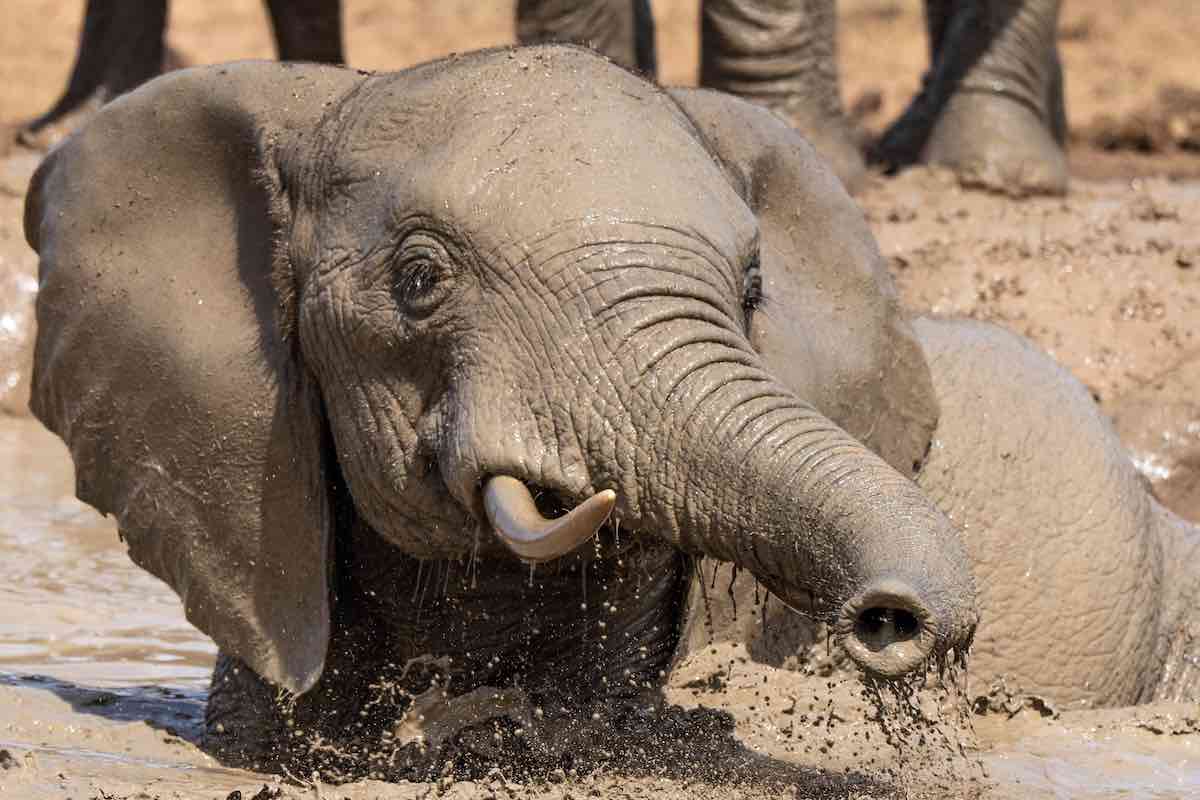
Elephants are known for their intelligence, empathy, and the strong social bonds they form with one another. One fascinating aspect of their lives is the way they keep themselves clean and healthy through unique bathing rituals.

These practices also play a significant role in their overall well-being and social dynamics.

In this article, we explore the various methods elephants use to stay clean, such as submerging in water, spraying water with their trunks, and rubbing themselves with sand or dirt for exfoliation. We also discuss their natural adaptations for cooling down and the importance of cooperation within their communities for maintaining good hygiene.

Join us on this captivating journey into the world of elephant bathing habits, where we uncover the secrets behind their remarkable approach to hygiene and well-being.

Categories
Conservation efforts Elephants in the wild Questions & Answers (FAQs)

Reasons Why Elephants Are Endangered

The elephant is the largest known mammal to live on land. This creature’s large tusks, enormous ears, and muscular but sensitive legs make it stand out among other animals.

Even though all elephants share some similarities, every species has distinct features. But there are still some main reasons why elephants are endangered in the world today.

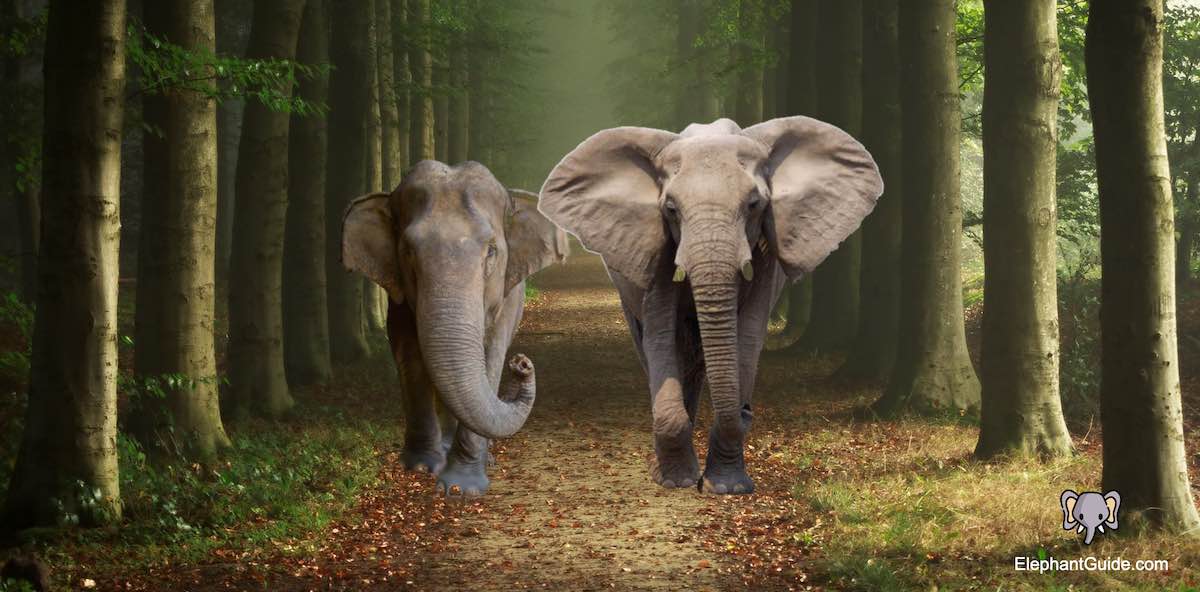
There are three living species of elephant: African bush elephant (also known as savannah elephant), African forest elephant and the Asian elephant. Asian elephants have smaller ears and a level back, while African elephants have larger ears and a more concave back. Meanwhile, the Asian elephant is listed as endangered by the IUCN.

In this article we’ll discusses why elephants are endangered, their natural habitats, what makes them significant to the wildlife world, the dangers they face as a species, and ways we can prevent their extinction. Read on!

Categories
Elephant behaviors Questions & Answers (FAQs)

Are Elephants Loyal?

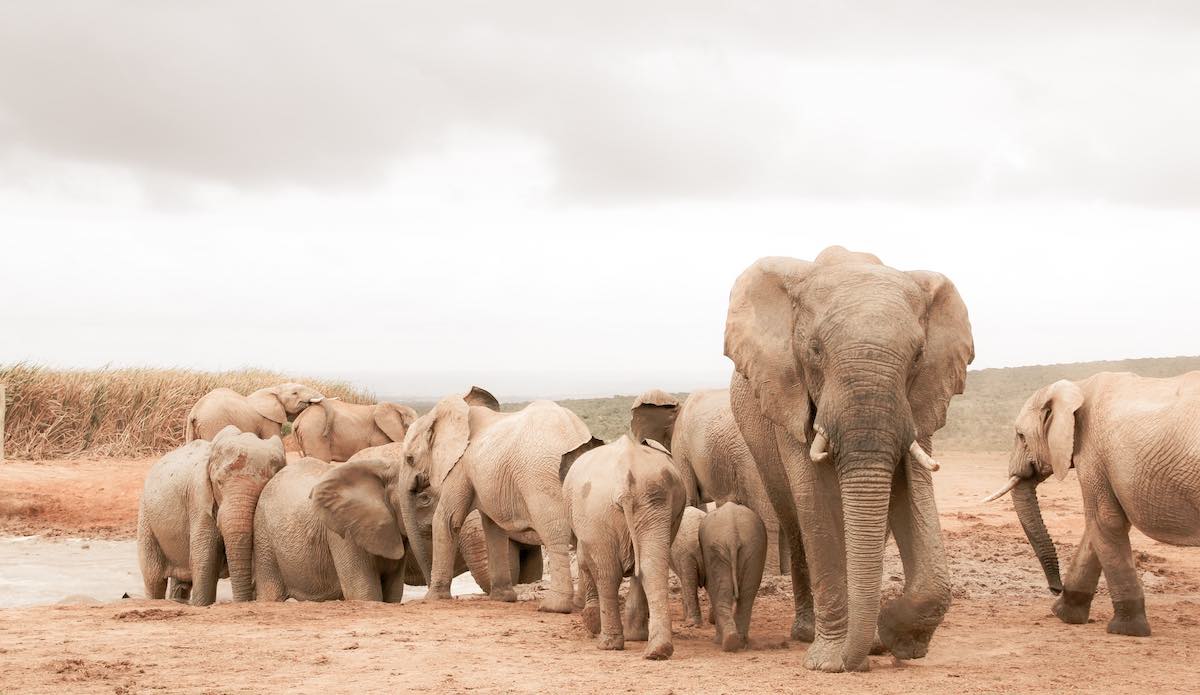
It’s no secret that elephants are one of the most loyal animals on the planet. They are known for their strong family ties and steadfast loyalty to friends, allies, and to their herd.

But what does this mean for elephant behavior? Are they always loyal? How do they show their loyalty?

Let’s take a closer look at elephant loyalty and what it means for these animals in the wild!