There are actually three distinct species of elephants — not two — each with its own appearance, habitat, and conservation story. From the vast savannas of sub-Saharan Africa to the dense rainforests of the Congo Basin and the ancient forests of South and Southeast Asia, the elephant family tree is more fascinating than most people realise.
How Many Types of Elephants Are There?
Science currently recognises three species of elephants: the African Bush Elephant (Loxodonta africana), the African Forest Elephant (Loxodonta cyclotis), and the Asian Elephant (Elephas maximus). For most of the 20th century, only two species were acknowledged — but in 2010, genetic and morphological research confirmed that the African Forest Elephant is a fully distinct species in its own right, not merely a subspecies of its bush-dwelling cousin.
Each species occupies a different ecological niche. The African Bush Elephant is the largest land animal on Earth, roaming open savannas and grasslands across sub-Saharan Africa. The African Forest Elephant is smaller and darker, with straighter, downward-pointing tusks perfectly adapted for navigating dense Central and West African rainforests. The Asian Elephant is found across South and Southeast Asia, with two main populations — mainland Asian elephants and the remarkable Borneo Pygmy Elephant, the smallest elephant subspecies alive today.
A common question is why elephants only exist in Africa and Asia — the answer lies in millions of years of evolution, climate shifts, and the extinction of related proboscideans elsewhere on the planet. Today’s three species are the last survivors of a once far more diverse family. Learn more in our deep-dive: how many species of elephants are there?
African vs Asian Elephants: Key Differences
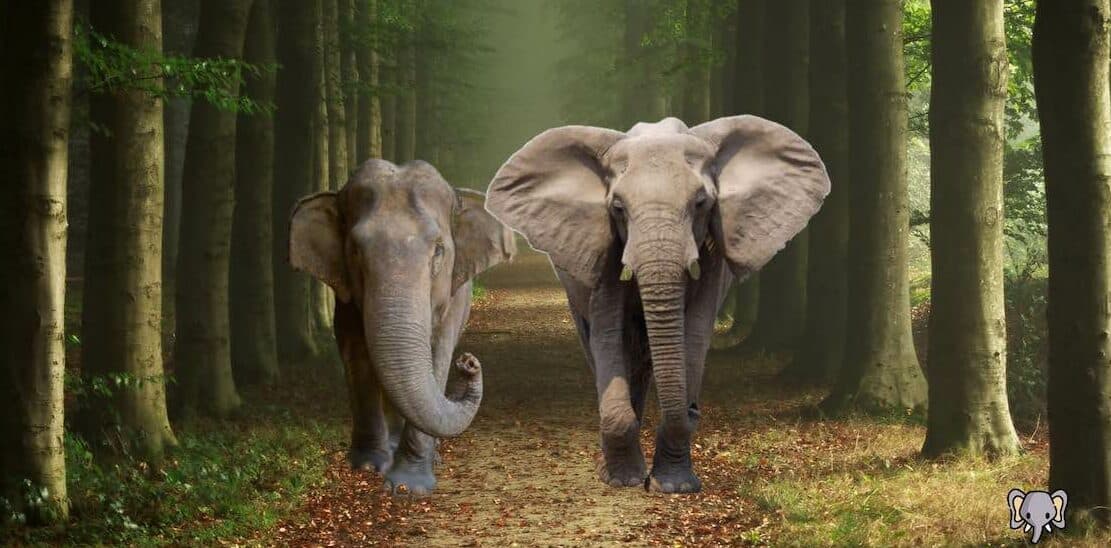
The most obvious physical difference is the ears. African elephants have enormous, fan-shaped ears — often said to resemble the shape of the African continent — which help them radiate heat on the open savanna. Asian elephants have smaller, more rounded ears. African elephants also have a distinctive saddle-shaped back that dips in the middle, while Asian elephants are highest at the shoulders, giving them a domed appearance. African skin tends to be more heavily wrinkled. For a full breakdown of these differences, see our guide to differences between African and Asian elephants, and for the comparison within Africa itself, read our article on African Bush vs African Forest elephants.
Tusks tell another key story. In African Bush Elephants, both males and females typically grow large tusks used for digging, stripping bark, and sparring. African Forest Elephants have thinner, straighter tusks adapted to forest life. In Asian Elephants, only certain males grow prominent tusks — females rarely develop visible ones at all. Tuskless males, known as makhnas, are particularly common in Sri Lanka and parts of southern India.
Behaviourally, the species diverge too. Asian elephants have worked alongside humans in forestry, ceremony, and agriculture for thousands of years, and remain central to cultures across India, Thailand, and Sri Lanka. African elephants, while forming complex matriarchal herds with sophisticated social bonds, have a far shorter history of domestication. Meanwhile the tiny Borneo Pygmy Elephant — the smallest living elephant subspecies — shows just how much variation exists even within the Asian species, isolated on the island of Borneo for tens of thousands of years.
Exploring Elephant Species: Our Latest Articles
Dive deeper into the world of elephant species with our expert guides below — covering everything from the genetics that separate the three species to the unique quirks of the Borneo Pygmy.
- Borneo Pygmy Elephants: Where to See Them
- Best Places to See Elephants in India
- African Bush Elephant vs Forest Elephant: Complete Guide to Africa’s Two Species
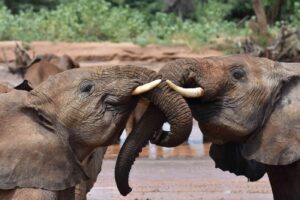
- What are the Differences Between African Elephant and Asian Elephants?
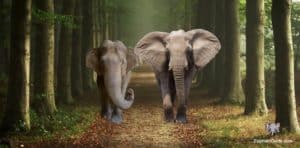
- The three species of Elephant
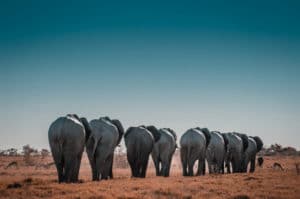
- Why do Elephants only live in Africa and Asia?
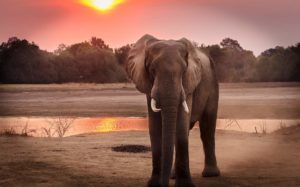
If anyone wants to know what elephants are like, they are like people only more so.
Peter Corneille
Why should you read our articles?
- Our team is composed of seasoned African wildlife journalists with extensive field knowledge.
- Contributors have been showcased in esteemed productions such as “Planet Earth” and National Geographic Magazine.
- Celebrated photographers with a keen eye for capturing the essence of African elephants in their natural habitats.
- Devoted advocates who’ve participated in hands-on elephant conservation projects, making tangible impact.
- Unwavering commitment to enlightening readers on the wonders of the incredible elephants and the importance of preserving their ecosystems.