Categories
Elephant behaviors Questions & Answers (FAQs)

Why Do Elephants Charge?

Have you ever been on a safari or witnessed an elephant charge? While it may seem like a rare occurrence, it’s more common than you think.

Elephants, despite not being naturally aggressive creatures, can be provoked to charge when they feel threatened or in danger. This could be due to loud noises, unfamiliar smells, or simply being startled.

But why do elephants charge? While it can be difficult to understand the complexities of elephant behavior, there are a few theories as to why they might charge. Some male elephants might use mock charges as an opportunity to demonstrate their strength and power.

In this article, we’ll delve deeper into the reasons behind elephant charges, and explore ways to avoid such a situation if you find yourself on a savanna. We’ll also look at the measures that can be taken to prevent charging incidents from happening in the first place.

Whether you’re a seasoned safari-goer or simply curious about elephant behavior, this article is for you.

Categories
Elephant behaviors Elephants in the wild Questions & Answers (FAQs)

How Do Elephants Sleep?

Elephants sleeping habits are incredibly fascinating. First, elephants usually only sleep for about two hours a day. But they don’t sleep all at once like we do. Instead, they take short naps throughout the day and night.

Second, elephants don’t sleep lying down 100% of the time like we do. Instead, they often stand up or lie on their side.

Categories
Elephant behaviors Elephants in the wild Questions & Answers (FAQs)

What are Elephants afraid of?

In the wild, elephants are cautious creatures that are easily spooked. Despite being the largest land animals on Earth, they are not without their fears — and many of those fears are deeply rooted in ecology, evolution, and lived experience.

What exactly are elephants afraid of? Do they have any natural predators? And what about that famous myth involving mice? The answers are more fascinating — and more scientifically grounded — than most people expect.

Categories
Elephant behaviors

How Does an Elephant Scratch an Itch?

Elephants, known for their size and strength, also face the challenge of itching and the need for relief. Understanding how elephants alleviate their itchiness is a fascinating subject worth exploring.

Elephants possess a range of physical tools that aid in relieving their itchiness. Elephants may use various methods such as rubbing against trees, rocks, or other rough surfaces to alleviate itching.

Their trunks, with their remarkable dexterity, could also be instrumental in reaching and scratching those hard-to-reach areas.

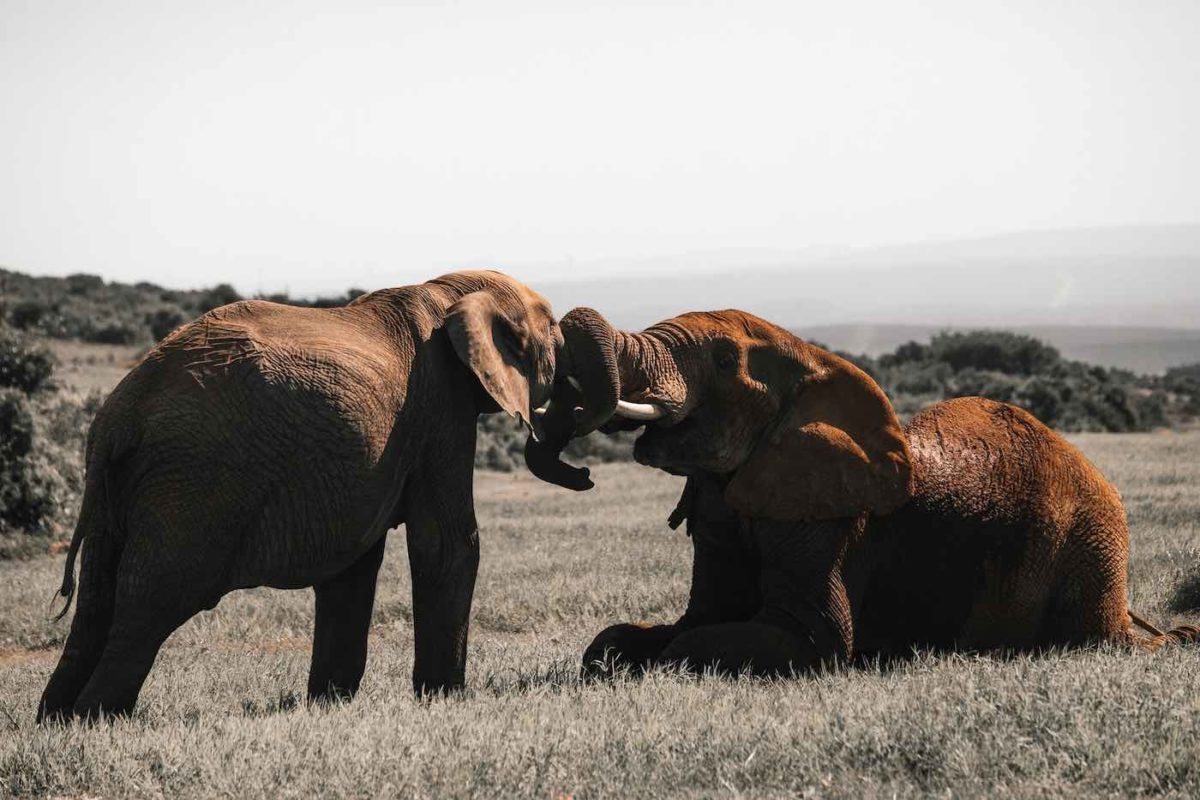
Additional insight can be gained by observing the social behavior of elephants. It is possible that elephants engage in mutual grooming, where one elephant may use its trunk or tusks to gently scratch another elephant’s itchy spots.

This bonding and supportive behavior within the herd could serve as another effective way to alleviate itching while strengthening social connections among elephants.

Categories
Elephant behaviors Elephants in the wild

How Do Elephants Clean Themselves?

Elephant Bathing Habits: A Fascinating Look at Their Hygiene and Social Life

Elephants are known for their intelligence, empathy, and the strong social bonds they form with one another. One fascinating aspect of their lives is the way they keep themselves clean and healthy through unique bathing rituals.

These practices also play a significant role in their overall well-being and social dynamics.

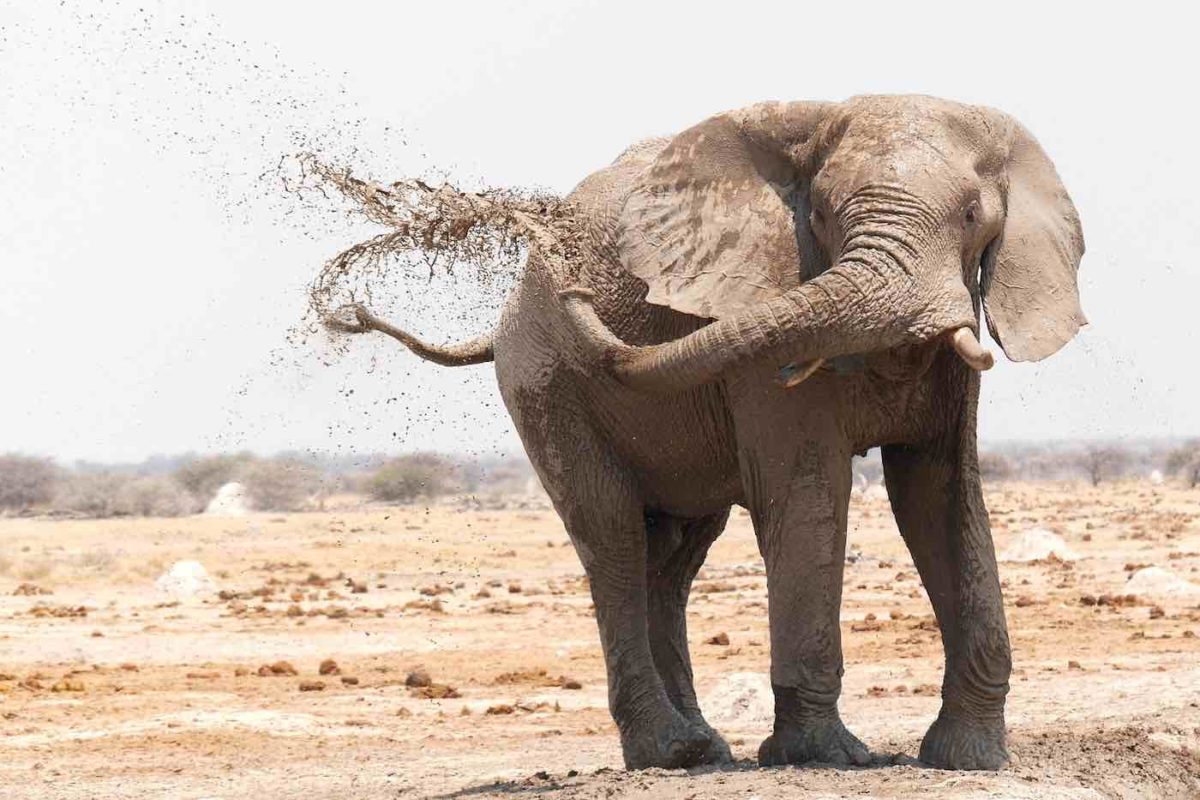
In this article, we explore the various methods elephants use to stay clean, such as submerging in water, spraying water with their trunks, and rubbing themselves with sand or dirt for exfoliation. We also discuss their natural adaptations for cooling down and the importance of cooperation within their communities for maintaining good hygiene.

Join us on this captivating journey into the world of elephant bathing habits, where we uncover the secrets behind their remarkable approach to hygiene and well-being.

Categories
Elephant behaviors Questions & Answers (FAQs)

Why Do Elephants Destroy Trees?

Have you ever been so frustrated with something that you just wanted to take it out on the nearest tree?

Elephants seem to have the same problem – except they’re much bigger and stronger meaning that when they do push over trees – they actually fall.

From agricultural fields to forests and even urban areas, elephants are known for their destructive tendencies regarding trees. Why is it that elephants destroy trees?

With an uncanny ability to find the most nourishing parts of trees, elephants have developed a habit of breaking tree trunks for easy access.

This gives them quick and effortless access to leaves, roots, and all essential nutrients available within the plant.

In this article, we’ll look at some environmental and anthropogenic factors contributing to elephant-tree destruction and discuss potential solutions.

We’ll also debunk some myths surrounding this issue to understand better what’s happening here.

Categories
Elephant behaviors Elephants in the wild

Signs In Nature and the Wild There Are Elephants

Welcome to our exploration of the signs of elephant presence in nature and the wild! Elephants are majestic creatures that have captured the imagination of people around the world for centuries.

Their sheer size, intelligence, and complex social behavior make them one of the most fascinating animals on the planet.

In this article, we will take a closer look at the ways in which elephants leave their mark on the natural world and how to recognize the signs of their presence in their natural habitats.

If you’re looking to track elephants, you should be on the lookout for footprints, droppings, dung piles, and broken branches.

Whether you are an avid wildlife enthusiast or simply interested in learning more about how to spot these incredible animals in the wild, this article is sure to provide you with new learnings that you can put into practise on your next trip.

So let’s dive in and discover the many signs of elephants in nature!

Categories
Elephant behaviors Questions & Answers (FAQs)

Elephant herd and social behavior

Both African elephants and their Asian dito, the Asian elephant are extremely bound by history and social norms of belonging to a herd. When a baby is born, it will after a few hours take its first steps in the elephant herd.

In the herd, elephants are constantly aware of where each individual is at all times and they know which one has just had a baby and who is sick. Their an extremely loyal animal.

The elephant herd can consist of up to 100 individuals with several females and baby calves and only one older bull. The elephant herd can split into several smaller herds (or “elephant units”) if the group is too big.

Categories
Elephant behaviors Questions & Answers (FAQs) Saving elephants

Everything You Need To Know About Elephants And Water

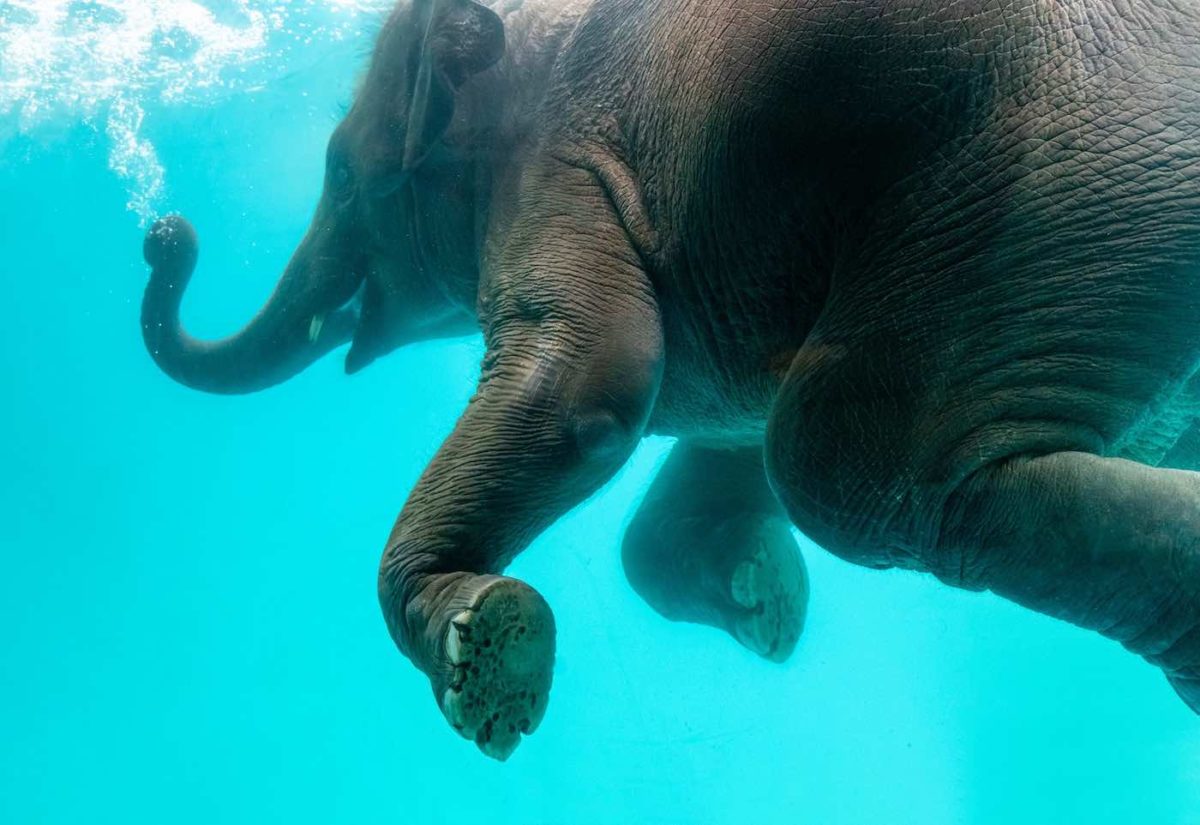
Elephants are perhaps mainly known for their large size and their long trunk. But did you know that they are also incredibly good swimmers?

In this article, we will explore everything you need to know about elephants and water. We will discuss why elephants are such good swimmers, where they typically swim, elephants drinking water, and other interesting facts about these creatures!

Keep reading to find out more!

Categories
Elephant behaviors Questions & Answers (FAQs)

Are Elephants Loyal?

It’s no secret that elephants are one of the most loyal animals on the planet. They are known for their strong family ties and steadfast loyalty to friends, allies, and to their herd.

But what does this mean for elephant behavior? Are they always loyal? How do they show their loyalty?

Let’s take a closer look at elephant loyalty and what it means for these animals in the wild!