
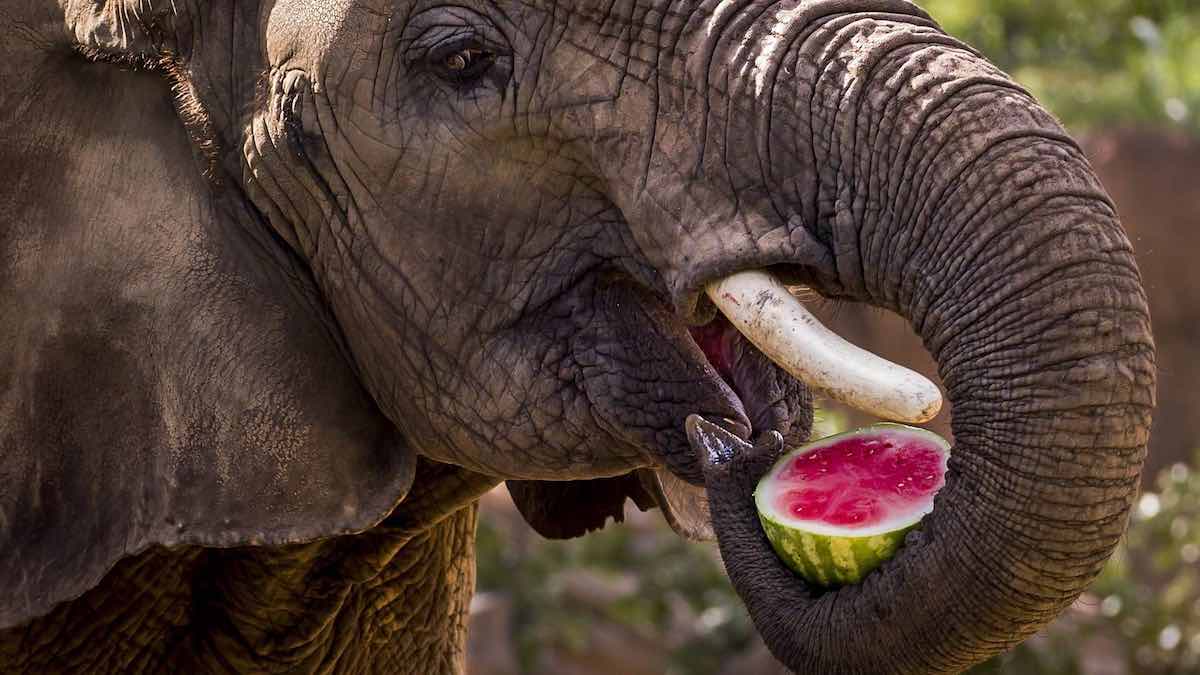
Elephants are one of the most fascinating animals on earth. They are big, strong, and have a very unique appearance. But what do you know about an Elephant’s diet?
In this article, we will explore the different fruits that elephants enjoy eating. We will also look at some of the benefits that these fruits provide for elephants.
So if you want to learn more about what fruits elephants like to eat, keep reading!
🍌 An elephant’s single favourite fruit? Bananas — followed closely by watermelons and mangoes.
List of Top 6 Fruits That Elephants Love To Eat
Here is the list of the top 6 elephants’ favorite fruit;
1. Banana

Bananas are not only a delicious snack, but they’re also packed with nutrients that can help elephants stay healthy.
Bananas are especially popular with Asian elephants, who will seek them out eagerly in the wild and in sanctuaries.
For one thing, bananas are an excellent source of dietary fiber, which can help elephants stay regular.
In addition, bananas are a good source of potassium and magnesium, two minerals that play important roles in elephant physiology. Magnesium, for instance, is involved in muscle contraction, while potassium helps to regulate blood pressure.
Bananas also contain vitamins B6 and C, both of which are important for maintaining elephant health. All of these factors combine to make bananas one of the favorite fruits of elephants.
Pros
- Bananas are a source of essential nutrients like potassium and vitamin C.
- They also contain fiber, which can help elephants stay regular.
Cons
- Bananas also have a high sugar content, which can lead to weight gain and dental problems.
- The peel of a banana can be tough for an elephant to digest.
2. Carrots

Although a vegetable, carrots are another favorite food of elephants. Like bananas, carrots are packed with nutrients that can help elephants stay healthy. Carrots are a particular favourite with African bush elephants, who readily eat the whole plant — roots and all.
For instance, carrots are a good source of dietary fiber, which can help elephants stay regular.
Carrots are also a good source of beta-carotene, a nutrient that is converted into vitamin A in the body.
Vitamin A is important for vision, and it also plays a role in the immune system. Carrots also contain vitamins C and K, both of which are important for elephant health.
Pros
- Carrots are a source of essential nutrients like dietary fiber and beta-carotene.
- They are also low in calories, making them a good choice for elephants who are trying to lose weight.
Cons
- Carrots can be hard for elephants to digest if they are not cooked properly.
3. Apples
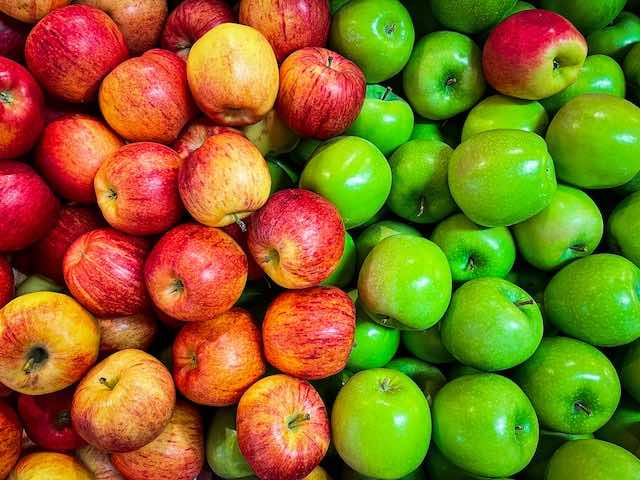
Apples are another popular choice among elephants. Like bananas and carrots, apples are packed with nutrients that can help elephants stay healthy. African forest elephants are most fond of apples. They also eat the tree bark of Apple trees.
For instance, apples are a good source of dietary fiber, which can help elephants stay regular. Apples are also a good source of vitamins A and C, both of which play important roles in elephant health.
In addition, apples contain pectin, a type of dietary fiber that can help elephants feel full and satisfied after eating.
Pros
- Apples are a source of essential nutrients like dietary fiber and vitamins A and C.
- They also contain pectin, which can help elephants feel full and satisfied after eating.
Cons
- The skin of an apple can be tough for an elephant to digest.
4. Watermelons
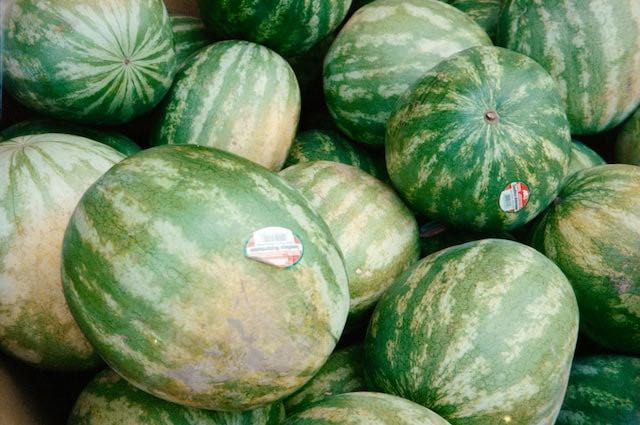
Watermelons are another one of elephants’ favorite fruits. They are not only delicious but they’re also packed with nutrients that can help elephants stay healthy. All elephant species enjoy watermelon, and even young calves are fond of its sweet, watery flesh.
For instance, watermelons are a good source of dietary fiber, which can help elephants stay regular. They are also a good source of vitamins A and C, both of which play important roles in elephant health.
In addition, watermelons contain lycopene, an antioxidant that has been linked to a reduced risk of cancer.
Pros
- They are a source of essential nutrients like dietary fiber and vitamins A and C.
- They also contain lycopene, an antioxidant that has been linked to a reduced risk of cancer.
Cons
- They are rich in sugar content, which can lead to obesity in Elephants.
- The seeds of a watermelon can be tough for an elephant to digest.
5. Strawberries
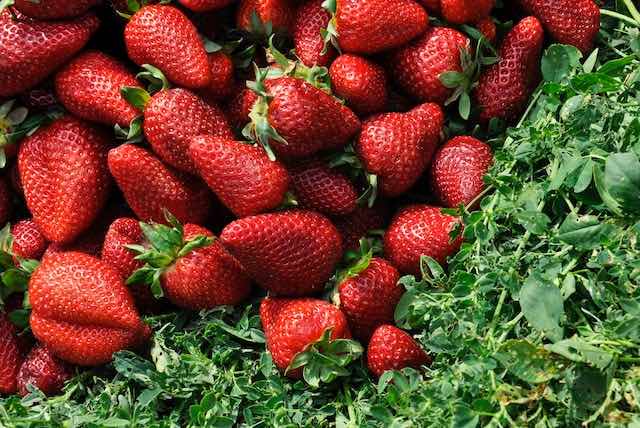
Strawberries are another favorite fruit of elephants. Baby elephants also eat strawberries. Like other fruits, strawberries are packed with nutrients that can help elephants stay healthy. Asian elephants are especially fond of strawberries and will readily eat them when offered.
For instance, strawberries are a good source of dietary fiber, which can help elephants stay regular.
Strawberries are also a good source of vitamins C and K, both of which play important roles in elephant health. In addition, strawberries contain ellagic acid, an antioxidant that has been linked to a reduced risk of cancer.
Pros
- Strawberries are a source of essential nutrients like dietary fiber and vitamins C and K.
- They also contain ellagic acid, an antioxidant that has been linked to a reduced risk of cancer.
Cons
- Strawberries also have a high sugar content, which can lead to weight gain and dental problems.
6. Grapes
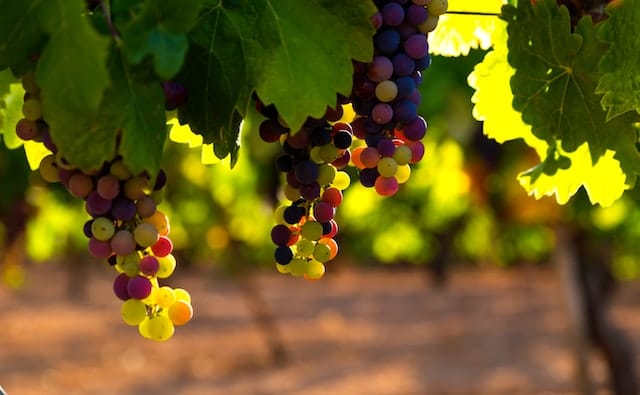
Grape is a favorite fruit of African bush elephants in specific. Like other fruits, grapes are packed with nutrients that can help elephants stay healthy.
For instance, grapes are a good source of dietary fiber, which can help elephants stay regular.
Grapes are also a good source of vitamins A and C, both of which play important roles in elephant health.
In addition, grapes contain resveratrol, an antioxidant that has been linked to a reduced risk of cancer.
Pros
- Grapes are a source of essential nutrients like dietary fiber and vitamins A and C.
- They also contain resveratrol, an antioxidant that has been linked to a reduced risk of cancer.
Cons
- Grapes have a high sugar content, which can lead to weight gain and dental problems for elephants.
Wild Fruits Elephants Eat in Nature
While elephants at sanctuaries and zoos are often fed bananas, apples, and watermelons, wild elephants rely on native fruits that grow in their natural habitats. These wild fruits make up an important and often seasonal part of their diet.
Marula Fruit (Africa)
The marula tree (Sclerocarya birrea) produces small, plum-like fruits that are a major seasonal food source for African elephants. Ripe marula fruits are high in vitamin C and sugars, and elephants will travel long distances to reach a fruiting marula grove. The popular myth that elephants get drunk on fermented marula fruit is largely untrue — they would need to eat an impractical quantity of already-fermented fruit to experience any effect — but they do clearly relish the taste.
Wild Figs (Africa & Asia)
Fig trees are found across both Africa and Asia and are an important year-round food source for elephants. Wild figs are small, nutrient-dense, and available in most seasons. African forest elephants in particular depend heavily on figs and are considered one of the most important seed dispersers for fig trees in Central African rainforests.
Tamarind and Wild Mango (Asia)
Asian elephants are particularly fond of tamarind pods and wild mangoes when in season. In parts of India, human-elephant conflict increases when elephants raid mango orchards — a clear sign of how strongly attracted they are to these fruits. Tamarind provides a tangy, high-energy food source rich in tartaric acid and sugars.
The Bottom Line
Elephants have a wide and varied palate when it comes to fruit. In captivity, bananas, watermelons, apples, and carrots are firm favourites. In the wild, they seek out seasonal native fruits like marula, fig, mango, and tamarind that provide crucial energy and nutrients alongside their primary diet of grasses, bark, and leaves.
Fruit makes up only a small portion of an elephant’s total diet — they need up to 180 kg of food each day, most of which comes from tougher vegetation. But when fruit is available, elephants will prioritise it, often travelling considerable distances to reach a fruiting tree.
Frequently Asked Questions about Elephants favorite fruits
Yes, elephants love to eat fruit! Elephants are known to eat over 200 different types of plants. While elephants mostly eat leaves and grass, fruit makes up a significant portion of their diet.
Fruit is packed with essential nutrients that can help elephants stay healthy. For instance, fruit is a good source of dietary fiber, vitamins, and antioxidants. Feeding elephants fruit can also help keep them regular and prevent obesity.
Yes, elephants love to eat mango! Mango is one of the favorite fruits of Asian elephants. As mango is a good source of dietary fiber, vitamins A and C, and antioxidants. Feeding elephants mango can help keep them healthy and prevent obesity.
Bananas are widely considered the single favourite fruit of elephants, particularly Asian elephants. Watermelons and mangoes are close runners-up. In the wild, elephants are also very attracted to marula fruit and wild figs depending on their habitat.
In the wild, fruit is a seasonal food rather than a daily staple. Elephants eat large amounts of fruit when it is available — especially during fruiting seasons — but for most of the year their diet is dominated by grasses, leaves, bark, and roots. In captivity or sanctuaries, elephants are often given fruit daily as enrichment and treats.

One reply on “What are Elephants favorite fruits?”
[…] In other words, the “do elephants eat meat” question and the “are elephants herbivores” question have the same answer from opposite directions. For the full menu, see what elephants eat and their favourite fruits. […]