
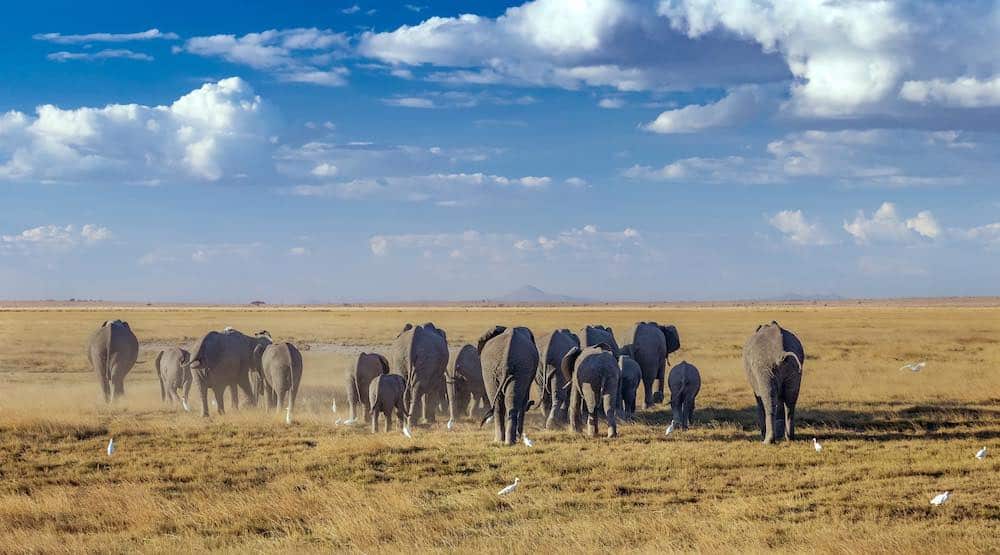
Did you know that an elephant’s heart can weigh as much as a 10-year-old child? Or that a baby elephant is born weighing more than 200 pounds — and can walk within hours of birth? Elephants are some of the most extraordinary animals on our planet, and the more you learn about them, the more astonishing they become. Whether you are working on a school project, satisfying a burning curiosity, or just love animals, this guide covers the most amazing elephant facts for kids in one place.
Quick Elephant Facts at a Glance
Before diving deep, here is a quick-reference fact sheet covering the most important elephant stats. Perfect for copying into a school project introduction!
- Weight: Up to 14,000 lbs (6,350 kg) for a large African bull elephant
- Height: Up to 13 feet (4 m) at the shoulder — as tall as a single-decker bus
- Lifespan: 60–70 years in the wild
- Top speed: Around 15–25 mph (24–40 km/h) — faster than most humans can run
- Daily food intake: Up to 300 lbs (136 kg) of vegetation per day
- Trunk muscles: Over 40,000 individual muscles
- Gestation period: 22 months — the longest of any land animal
- Population (African): Approximately 415,000 remaining in the wild (WWF)
- Population (Asian): Fewer than 50,000 remaining — listed as Endangered
- Water intake: 25–55 gallons (95–210 liters) of water per day
The Two Main Types of Elephant
There are three species of elephant alive today, but most people talk about two main types: the African elephant and the Asian elephant. They look similar at first glance, but once you know what to look for, telling them apart is easy. A third species, the African forest elephant, lives in the rainforests of Central and West Africa and was only recognized as a separate species in 2000.
| Feature | African Elephant | Asian Elephant |
|---|---|---|
| Size | Bigger — up to 14,000 lbs | Smaller — up to 11,000 lbs |
| Ears | Huge — shaped like the map of Africa | Much smaller and rounded |
| Back shape | Dips in the middle (saddle-shaped) | Rounded and arched |
| Trunk tip | Two “fingers” at the tip | One “finger” at the tip |
| Skin | More wrinkled | Smoother, sometimes with pink patches |
| Where they live | Sub-Saharan Africa | South and Southeast Asia |
Amazing Trunk Facts for Kids
The elephant’s trunk is one of the most versatile body parts in the entire animal kingdom. Here are some of the most incredible things it can do:
- No bones at all. The trunk is made entirely of muscle — over 40,000 individual muscle bundles. That makes it incredibly flexible and strong at the same time.
- It can smell water from miles away. An elephant’s sense of smell is estimated to be four times more powerful than a bloodhound’s. They have been recorded smelling water sources from more than 12 miles (19 km) away.
- It works like a hand. Elephants use the tip of their trunk to pick up objects as small as a single peanut or a coin. African elephants use two “fingers” at the tip; Asian elephants use one.
- It holds up to 2.5 gallons of water. The trunk can suck up a huge amount of water in one go, then squirt it straight into the mouth or over the body for a cool shower.
- Baby elephants suck their trunk. Just like human babies suck their thumbs, young elephant calves often suck on their own trunk for comfort. It takes several years to fully learn how to control it.
- It is used as a snorkel. When elephants swim — which they love doing — they hold their trunk above the water to breathe, just like a natural snorkel.
How Big Is an Elephant Really?
Numbers like “14,000 pounds” and “13 feet tall” are hard to picture. Here are some fun comparisons that make the size of an elephant easier to imagine:
- A large African elephant weighs as much as 80 average adult humans standing on a scale together.
- An elephant standing at full height is about as tall as a single-decker bus.
- An elephant’s heart weighs around 26–46 pounds — about as much as a 10-year-old child.
- An elephant’s brain weighs about 11 pounds (5 kg) — more than three times heavier than a human brain. It is the largest brain of any land animal.
- Each of an elephant’s four feet is roughly the size of a large dinner plate, measuring up to 20 inches (50 cm) across.
- A newborn elephant calf already weighs around 200–300 pounds — more than most adult humans — and stands about 3 feet tall at birth.
What Do Elephants Eat?
Elephants are herbivores, which means they only eat plants — no meat, ever. But “only plants” covers an enormous variety of food. A full-grown African elephant needs to eat up to 300 pounds of vegetation every single day just to fuel its massive body. That is roughly the weight of two full-grown adult humans — every day.
To fit in that much food, elephants spend around 16–18 hours a day eating. Their favorite foods include:
- Grasses and sedges (their main food in the dry season)
- Leaves, bark, and twigs from trees and shrubs
- Fruit — especially wild figs and marula fruit, which they can smell from far away
- Roots dug up with their tusks and trunk
Here is the surprising part: elephants only digest about 40% of what they eat. The rest passes straight through. That is actually important for ecosystems — elephant dung is packed with seeds and nutrients that help plants grow across wide areas. You can read more about that remarkable process in our guide to every fact about elephant poo.
How Smart Are Elephants?
Elephants are considered one of the most intelligent animals on Earth, alongside chimpanzees, dolphins, and crows. Here is what makes them so remarkable:
- They recognize themselves in mirrors. This is called “mirror self-recognition” and it is one of the tests scientists use for self-awareness. Only a handful of species can do it — elephants, great apes, dolphins, and magpies.
- They mourn their dead. Elephants have been observed returning to the bones of dead family members, touching them gently with their trunks and standing quietly for long periods. Researchers believe this shows an understanding of death.
- They use tools. Elephants have been observed using sticks to scratch themselves, leaves to swat flies, and rocks to cover wounds. They also modify branches to use as fly swatters — a sign of deliberate tool use.
- The saying “an elephant never forgets” is basically true. Elephants have a remarkably large hippocampus — the part of the brain that processes memories. Matriarch elephants can remember the locations of water sources, migration routes, and the faces of other elephants and humans they have not seen for decades.
- They show empathy. Elephants comfort each other when stressed, adopting orphaned calves that are not their own, and have even been observed appearing to help other species in distress.
How Do Elephants Communicate?
Elephants are highly social animals, and they have developed a rich communication system that scientists are still working to fully understand. They communicate using sounds, touch, body language, and even vibrations through the ground.
- Infrasound rumbles. Elephants produce very deep rumbling calls that are below the range of human hearing (called infrasound). These vibrations travel through the ground and can be detected by other elephants through their feet and trunks from miles away.
- Trumpeting. The famous trumpet call is used for excitement, alarm, aggression, or greeting. It is produced by forcing air through the trunk and is one of the loudest sounds any land animal makes.
- Touch. Elephants frequently touch each other with their trunks — intertwining trunks is a form of greeting, similar to a handshake or hug. Mothers constantly touch their calves to reassure them.
- Ear flapping. When elephants fan their big ears rapidly, it can signal agitation or be used as a threat display toward predators or rivals. Ear flapping also helps regulate body temperature.
Are Elephants Endangered?
Both African and Asian elephants are under serious threat, and this is one of the most important elephant facts for kids to know. Understanding the dangers elephants face is the first step toward helping protect them.
According to the WWF, there are approximately 415,000 African elephants remaining in the wild — down from several million a century ago. Fewer than 50,000 Asian elephants survive, making them Endangered on the IUCN Red List. The two main threats are:
- Poaching for ivory. Despite international ivory trade bans, elephants are still killed illegally for their tusks. This is why conservation of how many elephants are left matters so much.
- Habitat loss. As human populations grow, forests and grasslands that elephants need for survival are cleared for farming and development.
Kids can actually help. One of the most popular and accessible actions is adopting an elephant through a registered conservation charity. This channels money directly to anti-poaching patrols, habitat protection, and orphan care programs. If you are near an ethical wildlife facility, visiting an elephant sanctuary also supports conservation while giving you an unforgettable experience.
Fun Elephant Records
- Biggest elephant ever recorded: A male African bush elephant shot in Angola in 1955 weighed approximately 24,000 pounds (10,886 kg) — nearly twice the weight of an average large bull.
- Oldest elephant ever recorded: Lin Wang, an Asian elephant who served with the Chinese Expeditionary Force during World War II, lived to 86 years old and died in a Taiwanese zoo in 2003.
- Longest tusks ever recorded: The tusks of “The Magnificent Seven,” a famous Kenyan bull, measured over 11 feet (3.4 m) each.
- Longest pregnancy of any land animal: 22 months — nearly two full years before a calf is born.
- Fastest recorded elephant speed: Around 25 mph (40 km/h), recorded in a study by researchers at the Royal Veterinary College using high-speed cameras.
Elephant Quiz: Test What You Know!
Think you have mastered your elephant facts? Try these five questions — perfect for a school project quiz section or to test your friends.
- True or False: Elephant tusks are made of bone.
Answer: False — they are modified teeth made of dentine (ivory). - Which elephant species has bigger ears?
A) Asian Elephant B) African Elephant C) They are the same
Answer: B — African elephants have much larger ears. - True or False: Elephants can jump.
Answer: False — no elephant of any species or age can jump. Their leg structure makes it physically impossible. - How long is an elephant pregnant?
A) 6 months B) 12 months C) 22 months
Answer: C — 22 months, the longest of any land animal. - True or False: Elephants only use their ears for hearing.
Answer: False — they also use their ears to cool down (blood circulates through the large ear veins), to communicate mood, and as threat displays.
Frequently Asked Questions
Elephants typically live 60–70 years in the wild. Their lifespan is closely tied to their teeth — elephants cycle through six sets of molars over their lifetime. When the final set wears down, they can no longer chew food properly, which is usually what ends their life. In captivity, some elephants have lived past 80 years.
Yes — the saying “an elephant never forgets” is rooted in real science. Elephants have a very large hippocampus (the memory center of the brain) and have been documented remembering migration routes, water sources, and the faces of individual humans and elephants after decades apart.
It depends on the species and sex. A large adult male African elephant can weigh up to 14,000 pounds (6,350 kg). Female African elephants are smaller, typically 6,000–8,000 pounds. Asian elephants are slightly lighter, with males reaching around 11,000 pounds.
Yes, elephants are excellent swimmers and genuinely enjoy it. They use their trunk as a natural snorkel, holding it above the water to breathe while the rest of their body is submerged. Elephants have been recorded swimming for hours and crossing rivers several miles wide.
Elephants’ large ears work like natural air conditioners. The ears are packed with blood vessels, and when an elephant flaps them, blood flowing through those vessels cools down before returning to the body — lowering core body temperature. African elephants, who live in hotter, more open environments, have much larger ears than Asian elephants for this reason.