An elephant tattoo is one of the most requested animal designs in the world, and unlike a lot of tattoo symbolism it is not vague. The meanings people attach to it are remarkably consistent across cultures: strength that does not need to prove itself, memory, loyalty to family, and protection. What changes the reading is the design, and that is where most guides stop short.
Below is what an elephant tattoo actually means, how the meaning shifts by design and by placement, the cultural conventions worth respecting before you book, and why the elephant has become a common choice for tattoos about resilience and mental health.
The short answer: an elephant tattoo symbolises strength, wisdom, memory, loyalty and protection. A trunk raised upward adds luck, a mother with a calf makes it about family, a Ganesha design makes it devotional, and a small minimalist elephant usually signals the gentle, personal side of those meanings rather than power.
What does an elephant tattoo mean?
The core meanings come straight from the animal’s reputation rather than from any single tradition, which is why they hold up across very different cultures. Our full guide to elephant symbolism covers the cultural roots in depth; these are the ones that carry over into tattoo work.
| Meaning | Where it comes from |
|---|---|
| Strength without aggression | The largest land animal on earth is a herbivore that rarely uses its size. This is the single most common reason people give. |
| Wisdom and memory | Elephants genuinely do have exceptional long-term recall, and a matriarch’s memory keeps a herd alive through drought. |
| Loyalty and family | Herds are matriarchal and lifelong. Elephants mourn their dead, which is unusual enough in the animal world to have become symbolic. |
| Protection | A herd physically encircles its calves when threatened. This is the meaning behind most parent-and-child designs. |
| Good luck | Largely from Hindu and feng shui tradition, and strongest when the trunk is raised. |
| Patience and resilience | A modern reading rather than a traditional one, and the reason the elephant appears so often in mental-health tattoos. |
What each elephant tattoo design means
Design changes the meaning far more than size or colour does. These are the variants people actually ask for, and what each one is generally read as.
| Design | Usually read as |
|---|---|
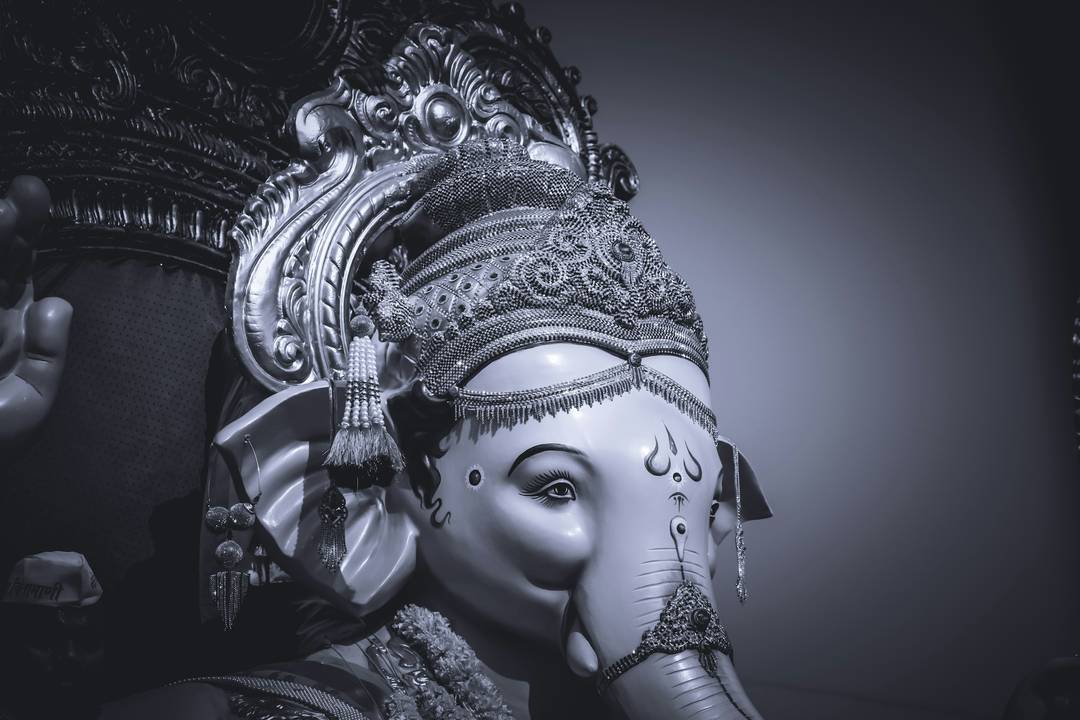
| Ganesha | Devotional. The Hindu elephant-headed god is the remover of obstacles and lord of beginnings, so this is chosen for new chapters and for protection. |
| Mandala or geometric | Spiritual but not religious. The mandala adds meanings of balance and wholeness to the elephant’s strength. |
| Mother and calf | Family. The most common family tattoo in this group, standing for maternal protection and the bond between generations. |
| Trunk raised | Luck and celebration. See trunk up vs trunk down for why the direction matters. |
| Lotus and elephant | Purity emerging from difficulty, borrowed from Buddhist iconography where the lotus rises out of muddy water. |
| Small or minimalist outline | The gentle, personal end of the symbolism. Usually a reminder to oneself rather than a statement to others. |
| Realistic portrait | Often conservation rather than symbolism, chosen by people with a genuine connection to the animal. |
| Thai or Sak Yant style | Rooted in Thai sacred-tattoo tradition, where the elephant is royal and protective. |
One detail worth getting right: in designs that include tusks, the tusks are teeth, not horns, and they keep growing throughout life. Our guide to elephant tusks covers the anatomy if you want the design to be accurate.
Does placement change the meaning?
Mostly no, despite what a lot of tattoo-symbolism sites claim. There is no established tradition in which a forearm elephant means something different from an ankle one. What placement does reliably signal is how public you want the piece to be, and that does tend to track with intent.
- Forearm, shoulder and upper arm — worn outward. These tend to be the larger, statement pieces: Ganesha, full portraits, mandala work.
- Hand and finger — highly visible and harder to place well. Worth knowing that hand tattoos fade faster and need touch-ups more often than almost anywhere else.
- Ribs, spine and behind the ear — private by design. Far more common for small, personal pieces.
- Ankle and wrist — the most common spots for a first, small elephant.
The one genuine convention is religious rather than positional. Many Hindus consider it disrespectful to place an image of Ganesha below the waist, and some practitioners will decline to tattoo a deity on the lower leg or foot for that reason. If you want a Ganesha piece, it is worth raising with your artist rather than discovering it afterwards.
Why the elephant is a common mental health tattoo
This is one of the most searched angles and it deserves a straight answer: it is a modern association, not an ancient one. You will not find it in Hindu or Buddhist tradition. It has grown up over the last decade or so, and the reasoning people give is consistent.
The elephant carries enormous weight and keeps moving. It has a long memory it cannot switch off. It is powerful but gentle, and it depends completely on its herd. Every one of those maps cleanly onto living with anxiety, depression or grief, which is why the animal shows up so often in tattoos marking recovery or endurance rather than triumph.
An elephant tattoo about mental health usually is not saying “I am strong.” It is saying “I carry this, and I keep walking.”
Mother-and-calf and small outline designs dominate here, and they are frequently paired with a semicolon, a date, or a short line of text. If that is the intent behind yours, the design matters more than the size.
Elephant tattoos for women and men
The symbolism does not differ by gender, and it is worth being clear about that because a lot of tattoo content implies otherwise. What differs is which designs each group tends to choose, and even that is a trend rather than a rule.
Small, fine-line and minimalist elephants, mother-and-calf pieces and lotus pairings are requested more often by women; larger Ganesha, geometric and realistic portrait work more often by men. A small elephant on a woman does not carry a separate hidden meaning. It carries the same meanings as any other elephant tattoo, chosen at a size that suits the placement.
Cultural conventions worth respecting
Two traditions come up often enough to be worth knowing before you commit, particularly if you are drawing on imagery that belongs to a living religion rather than to general symbolism.
- Hindu (Ganesha). A devotional image, not decoration. Beyond the placement convention above, many people choose to understand the iconography, the broken tusk and the mouse companion included, before wearing it permanently.
- Thai (Sak Yant). Traditional Thai sacred tattoos are applied by monks or Ajarns under specific conditions and carry obligations for the wearer. A Thai-style elephant from a Western studio is a design choice; an actual Sak Yant is a religious act.
- White elephants. Sacred and royal in Thailand and in Buddhism, which is the opposite of the English idiom’s meaning of a burdensome possession. Worth knowing if you are considering a white or unshaded design.
The bottom line
An elephant tattoo means strength, wisdom, memory, loyalty and protection, and the design you choose decides which of those leads. Trunk up for luck, mother and calf for family, Ganesha for devotion and new beginnings, small and simple for something personal. Placement is about visibility rather than meaning, with the single real exception of deity imagery below the waist. If you want the symbolism itself rather than the tattoo conventions, start with what an elephant symbolizes, and our guides to elephant herds and elephant memory cover the real behaviour behind the meanings.
Frequently asked questions
Strength, wisdom, memory, loyalty and protection. The design decides which meaning leads: a raised trunk adds luck, a mother and calf makes it about family, and a Ganesha design makes it devotional.
The same as any other elephant tattoo. Small elephants are usually chosen as a personal reminder of resilience or family rather than a statement of power, but there is no separate meaning attached to the wearer’s gender, whatever tattoo-symbolism sites suggest.
It is a modern association rather than a traditional one. The elephant carries great weight and keeps moving, has a memory it cannot switch off, and depends on its herd — which maps closely onto living with anxiety, depression or grief. It usually marks endurance rather than triumph.
Not inherently, but placement matters. Many Hindus consider it disrespectful to place a deity image below the waist, and some artists will decline to tattoo Ganesha on the lower leg or foot. Raise it with your artist beforehand.
Good luck, celebration and fortune being showered outward. A lowered trunk is not bad luck, contrary to a widespread myth — it represents gathering and storing energy instead.
Family, maternal protection and the bond between generations. It is the most common family design in this group, and it reflects real behaviour: elephant herds are matriarchal and physically encircle calves when threatened.