
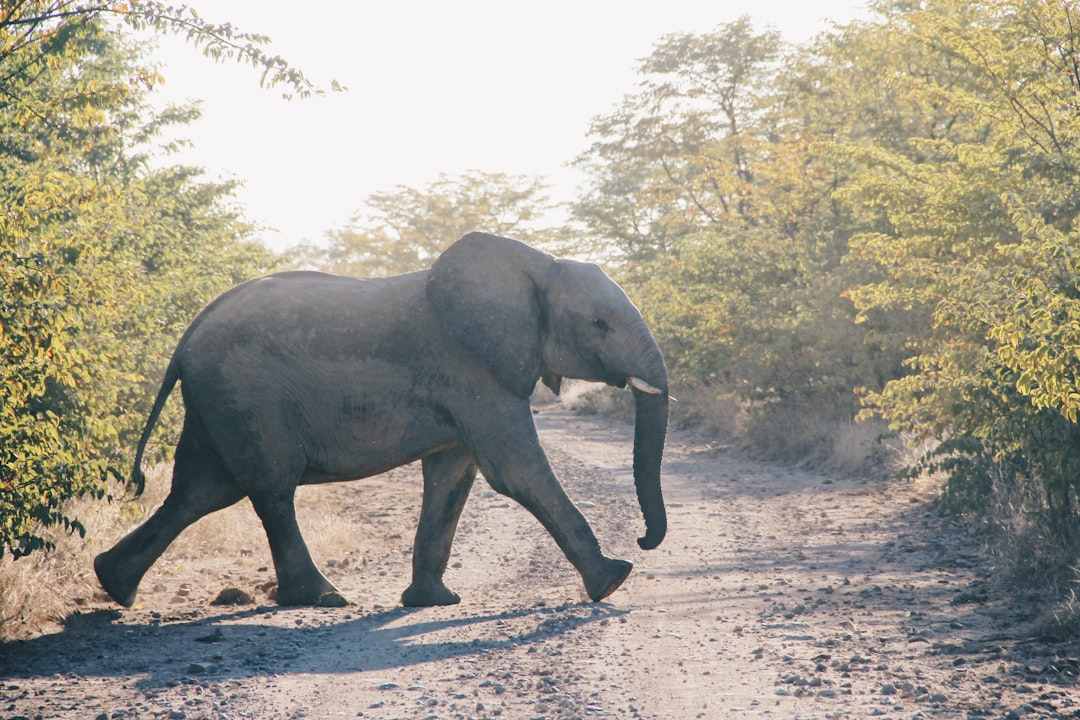
Poaching gets the headlines, but across much of Africa and Asia the biggest day-to-day threat to elephants — and to the people who live alongside them — is quieter and harder to solve: human-elephant conflict. As farms, roads and villages expand into land elephants have always used, the two collide with increasingly deadly results for both sides.
The short answer: human-elephant conflict (HEC) happens when elephants raid crops, damage property or threaten people, and people retaliate — often fatally. It’s driven by habitat loss and the fragmenting of elephant range, and it’s now one of the leading causes of elephant death in Asia and parts of Africa. The good news: proven, low-tech solutions like beehive fences can cut crop-raiding by over 80%.
What Is Human-Elephant Conflict?
Human-elephant conflict is any negative interaction between people and wild elephants — most commonly elephants raiding and trampling crops, but also destroying grain stores, damaging homes and water infrastructure, injuring or killing people, and being injured or killed in return. It is fundamentally a competition for space and resources, and it intensifies wherever human land use pushes into elephant habitat.
Why Human-Elephant Conflict Is Getting Worse
Elephants need enormous ranges — an adult eats up to 300 lbs of vegetation a day and herds travel long distances between food and water. As human populations grow and convert that range into farmland, settlements and roads, three things happen at once:
- Habitat shrinks and fragments — elephants are squeezed into smaller, disconnected patches surrounded by people.
- Ancient corridors get cut — traditional migration routes now run straight through farms and villages (see our guide to elephant migration below).
- Crops become easy calories — a field of maize or sugarcane is a dense, irresistible food source, so elephants learn to raid.
The result is a collision course. For the bigger picture on shrinking range and blocked routes, see do elephants migrate and how climate change affects elephant habitats.
Where Is It Worst?
HEC is most severe where dense human populations overlap with elephant range — above all in Asia, where elephants and people have shared crowded landscapes for millennia:
| Region | The situation |
|---|---|
| India | The global epicenter — hundreds of people and elephants die each year in conflict incidents, especially in the northeast and southern states. |
| Sri Lanka | Among the highest conflict intensity anywhere; roughly 400 elephant and 150+ human deaths a year in recent years. |
| Sub-Saharan Africa | Crop-raiding is a growing problem around expanding farmland in Kenya, Tanzania, Botswana and beyond. |
The Cost — on Both Sides
HEC is a tragedy in two directions. For rural families — often subsistence farmers with little margin — a single night of raiding can wipe out a season’s income, and encounters can be fatal. For elephants, the response is often retaliatory or preventive killing: shooting, poisoning, or electrocution, plus deaths from crude deterrents and risky translocations. Because the animals that raid are frequently large bulls, conflict can remove exactly the individuals a population can least afford to lose.
Human-elephant conflict is now a leading cause of elephant death across Asia — and a matter of life, death and livelihood for the people who share the land with them.
Solutions That Actually Work
The encouraging news is that decades of field research have produced deterrents that work — and the best ones protect farmers and elephants at the same time.
Beehive fences
Elephants are genuinely afraid of African honeybees, so Dr. Lucy King’s Elephants and Bees Project at Save the Elephants strings beehives along farm boundaries. When an elephant disturbs the fence, the bees respond and the elephant retreats. A nine-year study published in 2024 found the fences deterred an average of 86% of crop-raiding elephants in peak seasons (76% averaged across all conditions, including drought). The hives also produce honey for farmers to sell — income and protection in one. The method is now used in around 19 countries across Africa and Asia.
Other proven deterrents
- Chili deterrents — chili-grease fences and burning chili-dung bricks exploit elephants’ sensitivity to capsaicin.
- Early-warning systems — community watchmen, tripwire alarms and increasingly GPS-collar alerts warn villages before elephants arrive.
- Wildlife corridors — protecting and restoring connective routes so elephants can move without crossing farmland is the long-term structural fix.
- Compensation & insurance schemes — paying farmers fairly and quickly for losses reduces the incentive to retaliate.
Can Humans and Elephants Coexist?
Cautiously, yes — and there are real places proving it. Coexistence doesn’t mean removing all friction; it means giving both sides enough space and enough tools that encounters stop being deadly. A few approaches now working at scale:
- Kenya — beehive-fenced farms. Communities around Tsavo and elsewhere ring their fields with the beehive fences pioneered by Save the Elephants, keeping most raiders out while harvesting honey to sell.
- India — early-warning networks. In conflict-heavy states, SMS and app-based alert systems, trained response teams, and better-marked rail crossings have cut both crop losses and elephant deaths on tracks.
- Southern Africa — community conservancies. When local people earn income from elephants through tourism and conservancy agreements, elephants shift from being a threat to being an asset worth protecting.
None of these is a silver bullet, and climate stress plus continued habitat loss keep raising the stakes. But they show the conflict is solvable when farmers are given real alternatives to killing raiding elephants — which is also where donations aimed at coexistence work go. See how to help save elephants.
The bottom line
Human-elephant conflict is the flip side of the space crisis facing elephants: as their range shrinks, encounters with people rise, and both suffer. It won’t be solved by fences alone — it needs protected corridors, fair compensation and community buy-in — but tools like beehive fences prove coexistence is achievable. Learn more about the pressures involved in why elephants are endangered, and what you can do in how to help save elephants.
Frequently asked questions
It’s any harmful interaction between people and wild elephants — most often elephants raiding crops or damaging property, and people retaliating, sometimes fatally. It stems from competition for the same shrinking land and is a leading cause of elephant death in Asia.
Human populations are expanding farms, roads and settlements into land elephants have always used. That shrinks and fragments their habitat, cuts their migration corridors, and puts tempting crops right in their path — so raiding and deadly encounters rise.
Yes. Elephants avoid African honeybees, and a nine-year study published in 2024 found beehive fences deterred an average of 86% of crop-raiding elephants in peak seasons. The hives also produce honey farmers can sell, making it a rare win-win.
India and Sri Lanka have the most severe conflict, with hundreds of human and elephant deaths combined each year. Crop-raiding is also a growing problem across sub-Saharan Africa as farmland expands into elephant range.
There’s no single fix, but a combination works: beehive and chili fences, early-warning systems, GPS-collar alerts, protected wildlife corridors so elephants can move freely, and fair, prompt compensation schemes that reduce the incentive to kill raiding elephants.