
Elephants eat up to 300–400 lbs of food and drink 50 gallons of water every single day — and what they eat shapes everything from their health to the ecosystems around them.
What Do Elephants Eat? A Complete Diet Overview
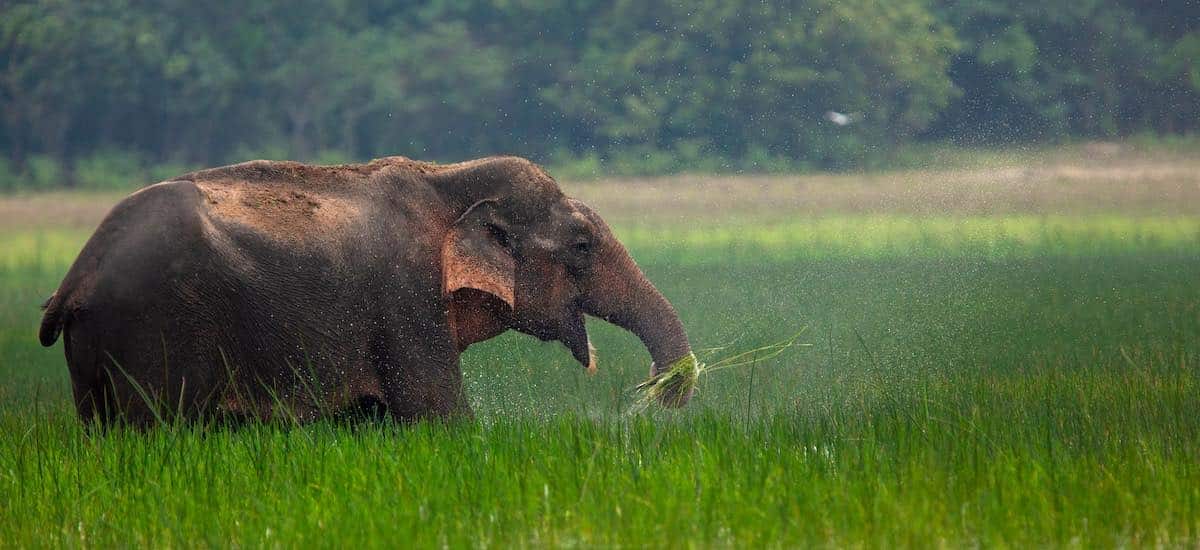
Elephants are strict herbivores, and their diet is as impressive as their size. In the wet season, roughly 70% of their intake comes from grasses, but as the dry season takes hold they shift to leaves, bark, roots, and fruit. On a typical day, an elephant consumes between 300–400 lbs (around 150 kg) of plant matter and drinks up to 50 gallons (190 litres) of water. Explore the full detail of what elephants eat and how their diet changes across the year.
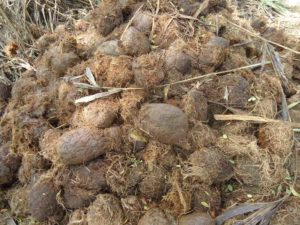
Elephants are famously inefficient digesters — only around 40% of what they eat is actually absorbed. That means 60% passes straight through, which is precisely why they need to eat such enormous quantities every single day. Far from being a flaw, this low digestive efficiency makes them critical ecosystem engineers. Their dung is packed with seeds and nutrients, and as they move across the landscape they function as one of nature’s most powerful seed dispersal systems.
Diet varies significantly by season and geography. Elephants on the Serengeti follow rainfall patterns to track the freshest grass growth, sometimes travelling 50 or more miles in a single day during the dry season in search of food and water. Forest elephants, by contrast, rely far more heavily on fallen fruits and bark, and their more specialised diet plays a vital role in the regeneration of dense forest habitats. Understanding these patterns is key to understanding elephant behaviour and conservation.
Favourite Foods and Foraging Behaviour
Elephants are selective eaters with strong food preferences. Among fruits, mangoes, figs, wild berries, and bananas rank as firm favourites — elephants can detect the scent of ripe fruit from miles away, and they will alter their foraging route to seek it out. Learn more about elephants’ favourite fruits and how smell drives their food choices.
The trunk is the elephant’s ultimate foraging tool. With roughly 40,000 individual muscles, it is precise enough to pluck a single berry or delicately strip bark from a tree, yet powerful enough to uproot an entire shrub. Elephants spend between 12 and 18 hours of every day foraging, covering vast distances to maintain the extraordinary caloric intake their bulk demands. Watching an elephant forage is one of the great spectacles of the natural world.
That low digestive efficiency we mentioned above has a remarkable side effect: elephant dung is dense with germinating seeds. A single elephant moving across the landscape can disperse seeds across dozens of miles, making them one of Africa’s most important seed dispersers. Their dung also fertilises the soil, supporting plant regrowth and biodiversity. The relationship between elephant diet and ecosystem health is one of the most fascinating stories in wildlife biology.
What Do Elephants Eat? Our Latest Articles on Elephant Diet
Dive into our latest articles on elephant diets and nutrition — from their favourite fruits to how they forage and the role their diet plays in the wider ecosystem.
- What Do Baby Elephants Eat?

- Do Elephants Eat Meat?
- What Do Elephants Eat? Diet, Food & Feeding Habits

- What are Elephants favorite fruits?
- How Do Elephants Get Their Food?
- Elephant Poo: Why these facts will ding-dung your mind
The elephant can survive only if forests survive.
Mark Shand
Why should you read our articles?
- Our team is composed of seasoned African wildlife journalists with extensive field knowledge.
- Contributors have been showcased in esteemed productions such as “Planet Earth” and National Geographic Magazine.
- Celebrated photographers with a keen eye for capturing the essence of African elephants in their natural habitats.
- Devoted advocates who’ve participated in hands-on elephant conservation projects, making tangible impact.
- Unwavering commitment to enlightening readers on the wonders of the incredible elephants and the importance of preserving their ecosystems.