
Categories
Anatomy Elephant behaviors Elephants in the wild Questions & Answers (FAQs)

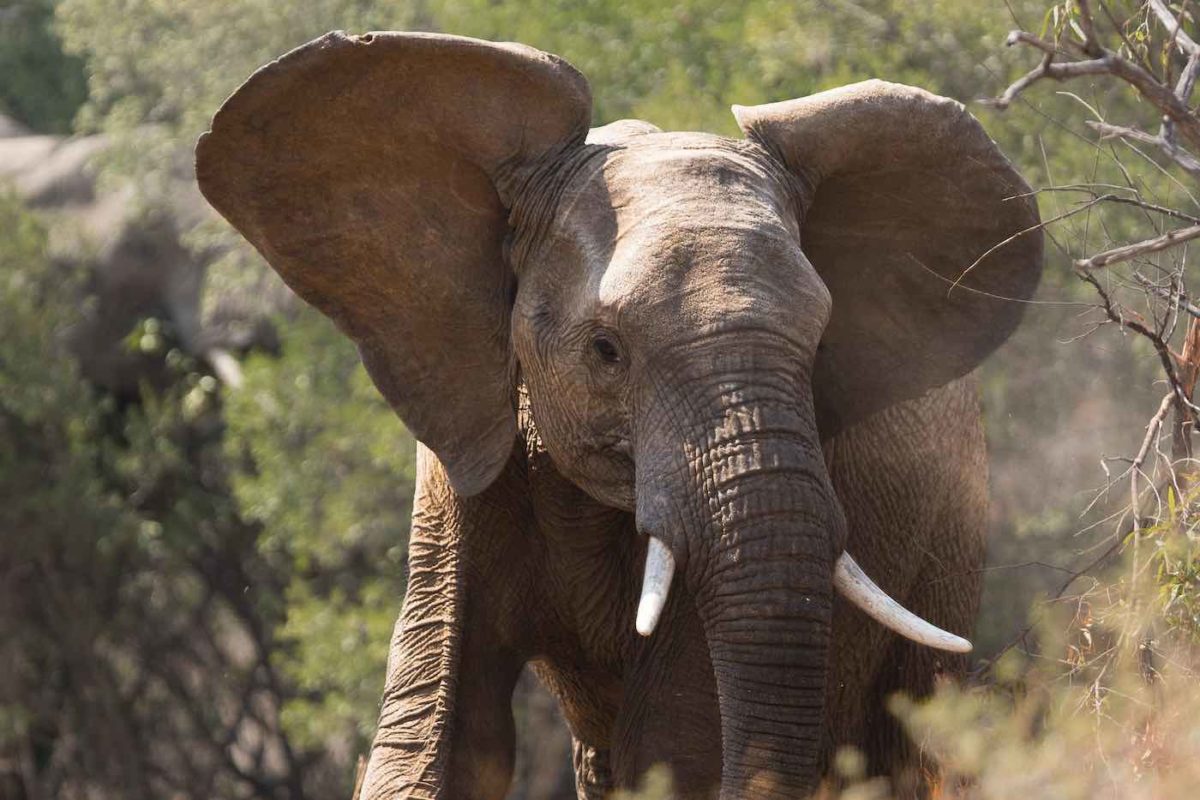
Why do Elephants have big ears? (hint: it goes beyond hearing)

For an elephant, their huge ears are crucial to their survival beyond only hearing.

The large size of the elephant ears allows them to regulate their body temperature, mainly to drop their body temperature during hot days.

Blood vessels in the ear are close to the surface, so when they need to cool down, they flap their ears to create airflow and release heat.

Read on to find out more reasons why the Elephants have such big ears as well as differences in ear size between the different species of Elephants.

Categories
Diet & Nutrition Elephants in the wild Questions & Answers (FAQs)

Elephant Poo: Why these facts will ding-dung your mind

Elephants produce up to 100 kg of dung each day. The average elephant will produce this by taking a poop 8-10 times per day. That’s a lot of poop, and it can tell us a lot about an elephant’s health and diet. Scientists even study elephant poo to learn about the animals’ behavior and social interactions.

Dung beetles also love elephant poo! These little critters can roll a piece of elephant dung up to 20 times their body weight. They use the dung as food and as a place to lay their eggs.

Elephants poo mainly consists of seeds, leaves, fruit, and grass. It also contains a lot of undigested food, which is why dung beetles and other smaller animals are so attracted to it.

Here are some more amazing facts about elephant poo that will ding-dung your mind.